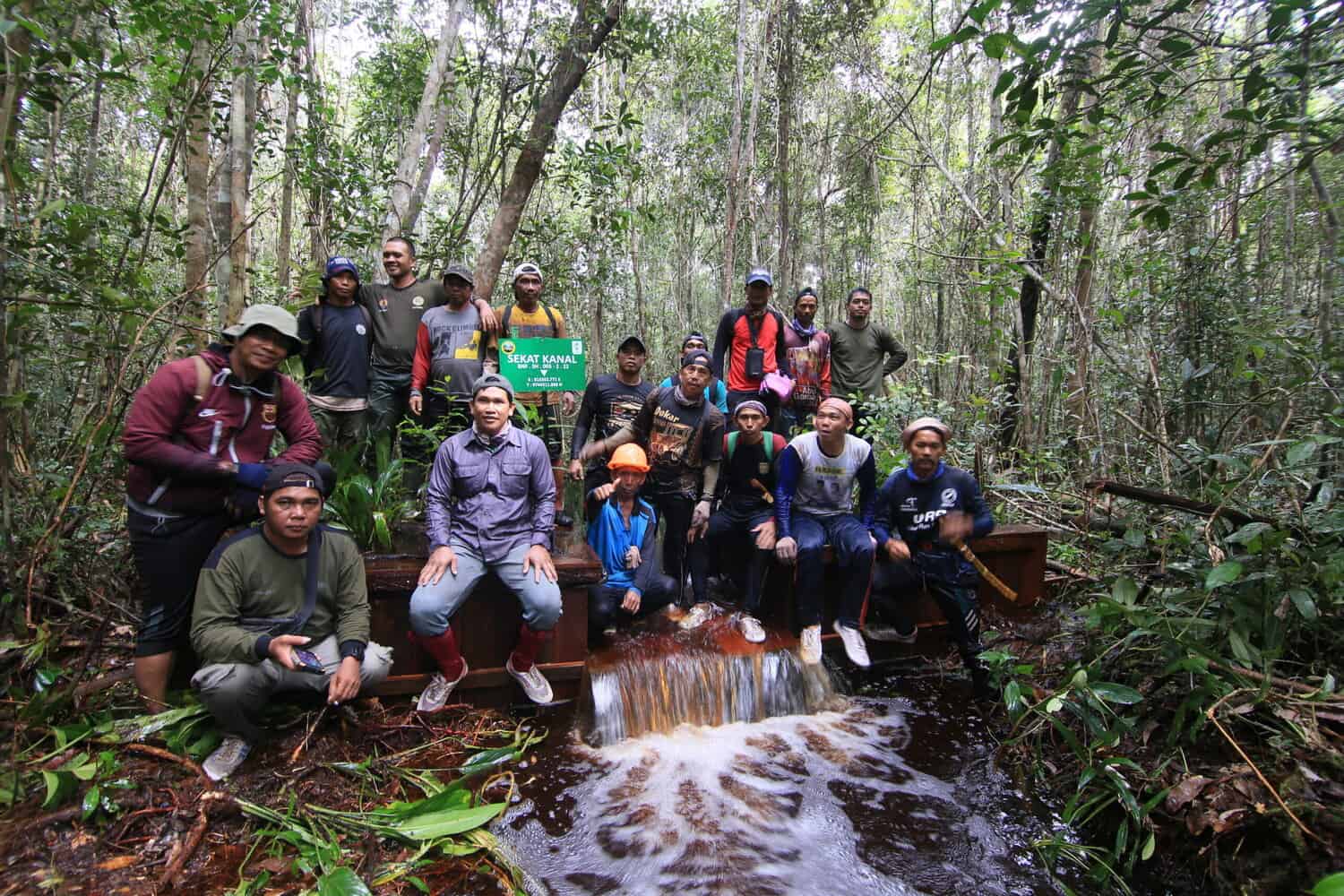
2026 is shaping up to be the hottest and driest year in a long time — and that’s a problem.
Major climate patterns are shifting, with a >60% likelihood that El Niño will develop by late summer and persist until at least the end of this year, according to a new forecast.
Not only that, but there are increasing indications this could be a rare “Super El Niño”, spelling real trouble for Borneo’s forests.
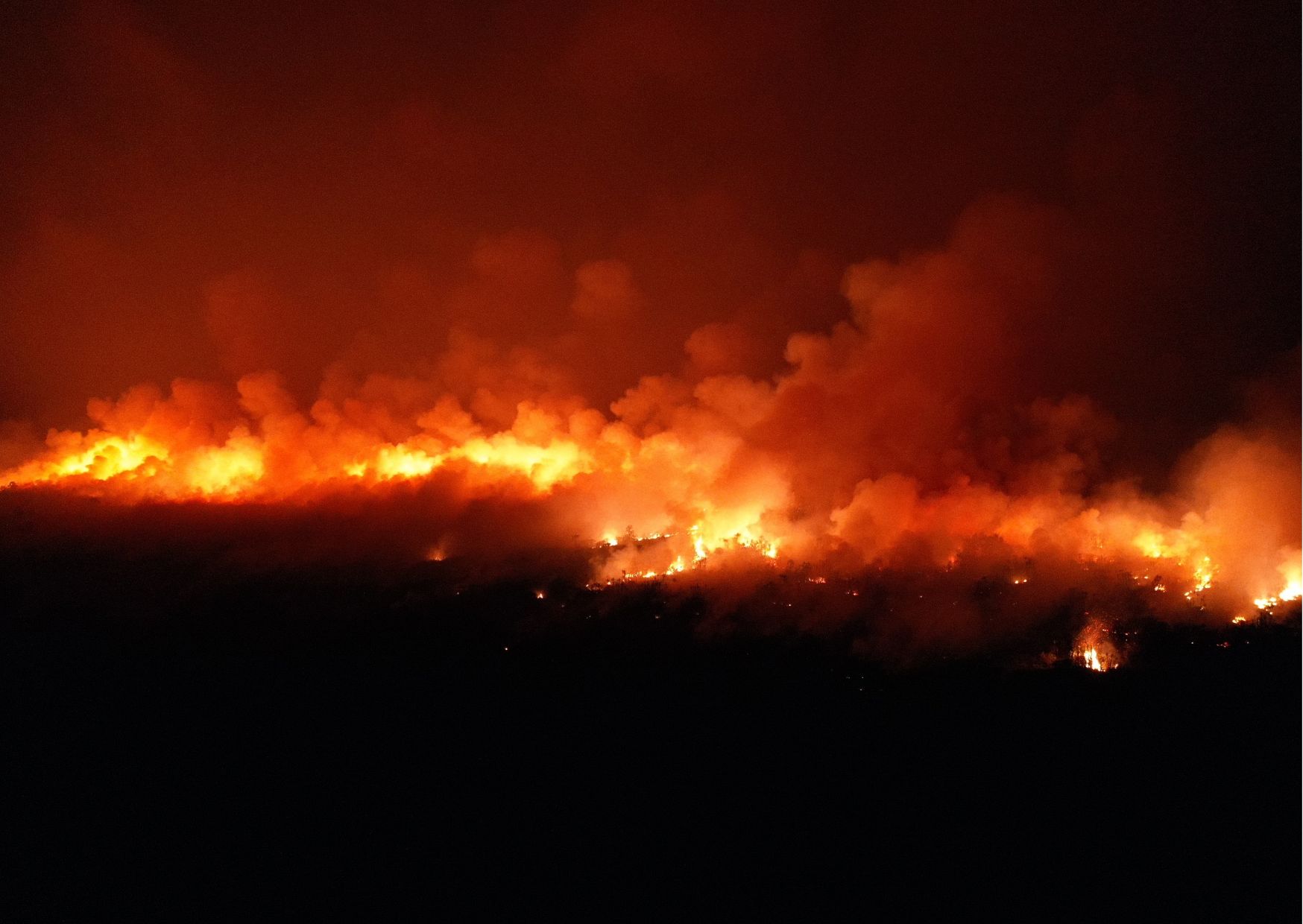
An El Niño event is a natural climate pattern that happens when the surface waters of the Pacific Ocean near the equator become unusually warm. This extra heat shifts weather patterns around the world, often bringing hotter, drier conditions to places like Indonesia and Australia, and heavier rains to parts of the Americas.
To qualify as El Niño, ocean temperatures must exceed the long-term average by at least 0.5°C. In contrast, a Super El Niño occurs when temperatures are more than 2°C above baseline. This fourfold increase in ocean temperatures can have disastrous consequences for biodiversity and our global climate, significantly intensifying drought and fire risk from the Australian Outback to the Amazon Basin.
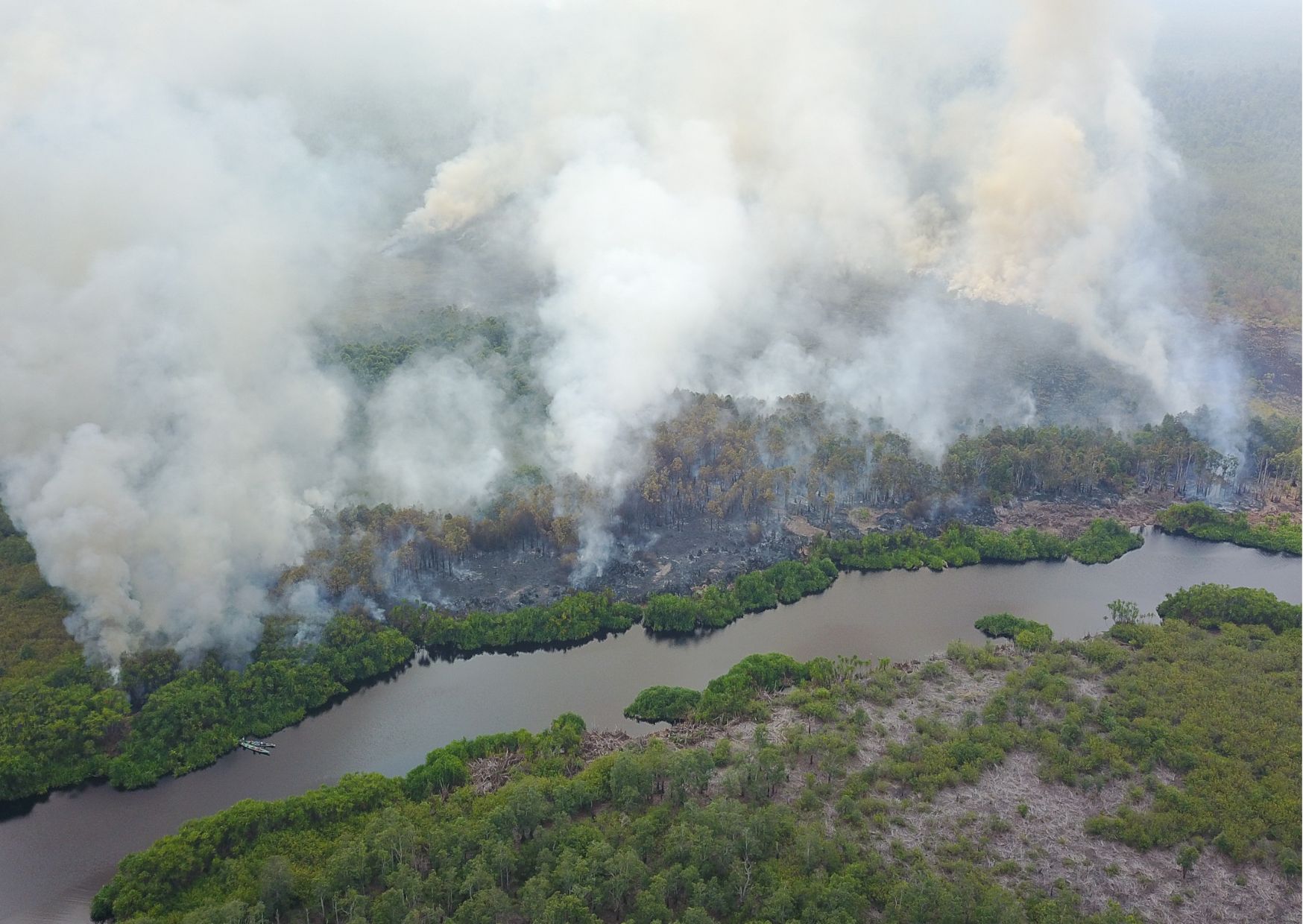
Super El Niños are rare, with only three on record since 1950. The last El Niño of this magnitude took place in 2015-2016, when unusually hot and dry conditions led to devastating peat and forest fires in Indonesia. These fires spread over 2.6 million hectares (an area larger than the country of Wales) and, at their height, released more carbon in a single day than the entire US economy. This was especially catastrophic in Borneo, which boasts some of the world’s largest tropical peatlands — globally important carbon stores that support a wealth of biodiversity, including the largest remaining population of wild orangutans on Earth.
Normally waterlogged and fire-resistant, Borneo’s peat-swamp forests have been heavily drained and degraded, leaving the peat dry and highly flammable. As a result, fires can smoulder underground for months, turning these vital carbon stores into major sources of emissions. Repeated fires and land degradation then make the landscape even more vulnerable to future wildfires, creating a vicious cycle of habitat destruction.
But the cycle can be broken. As a potential Super El Niño looms, here’s what we’re doing to fight climate catastrophe.
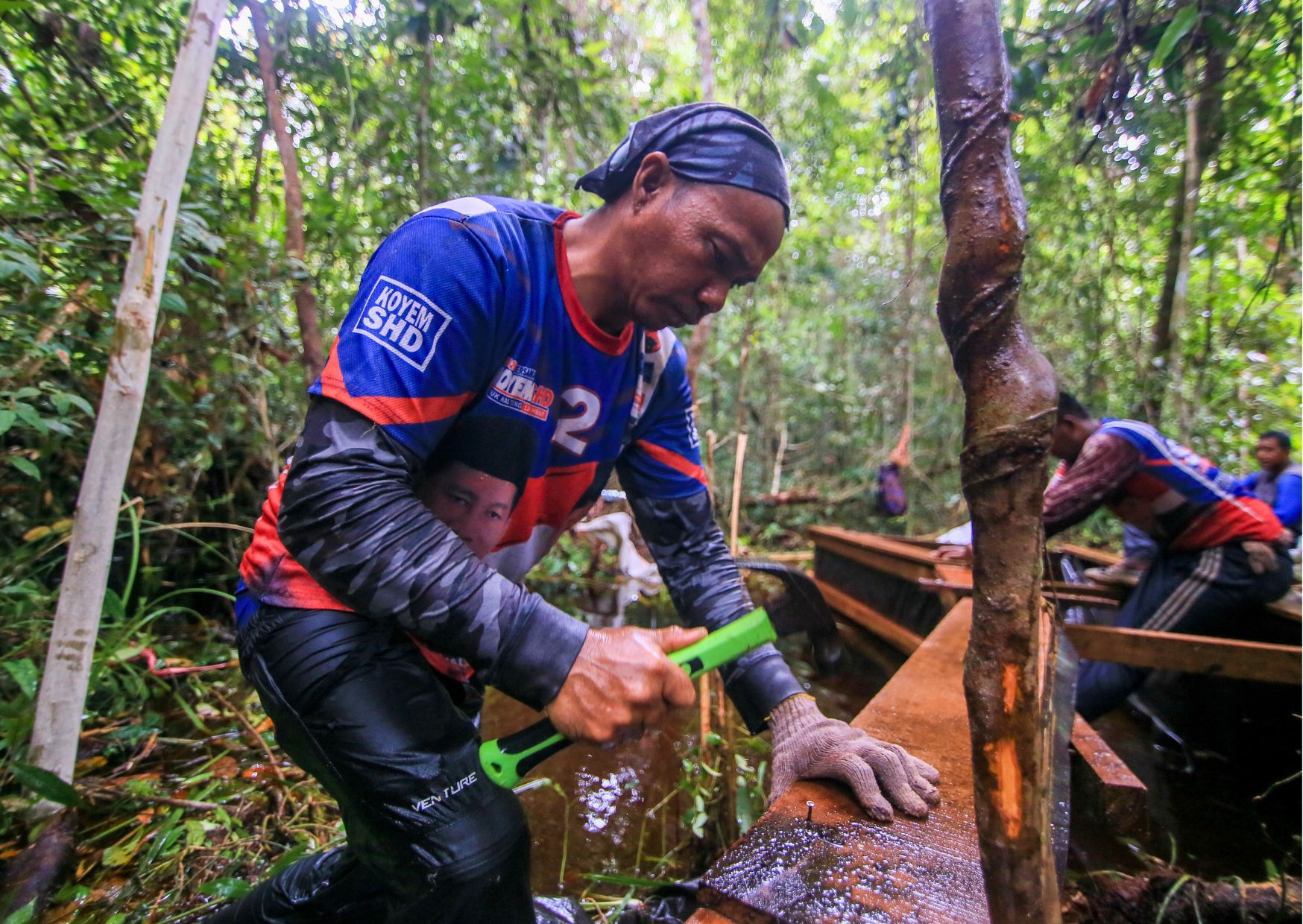
We don’t just fight fires during the dry season or wait for an El Niño event when they’re most likely to occur. We fight fires year-round, through an intensive programme of prevention, preparedness, response and recovery.
In line with the latest climate predictions, we’ll be ramping up our fire preparedness efforts ahead of the dry season. That means more daily firefighting patrols, more training and community outreach, and blocking more drainage channels to re-wet the peat.
This isn’t our first rodeo. Fighting fires, preserving the peat-swamp: find out what 25 years of rainforest protection looks like.
GIVE A DAM ABOUT ORANGUTANS: Give now to double your donation!