

At first glance, Fair Isle Bird Observatory in Scotland and the rainforests of Borneo could not feel further apart.
One is a remote outpost in the North Sea, defined by windswept cliffs and seabirds; the other, a vast tropical island teeming with dense forest and extraordinary biodiversity. Yet, these places are intimately connected—through ecology, climate, and the shared challenge of conservation.
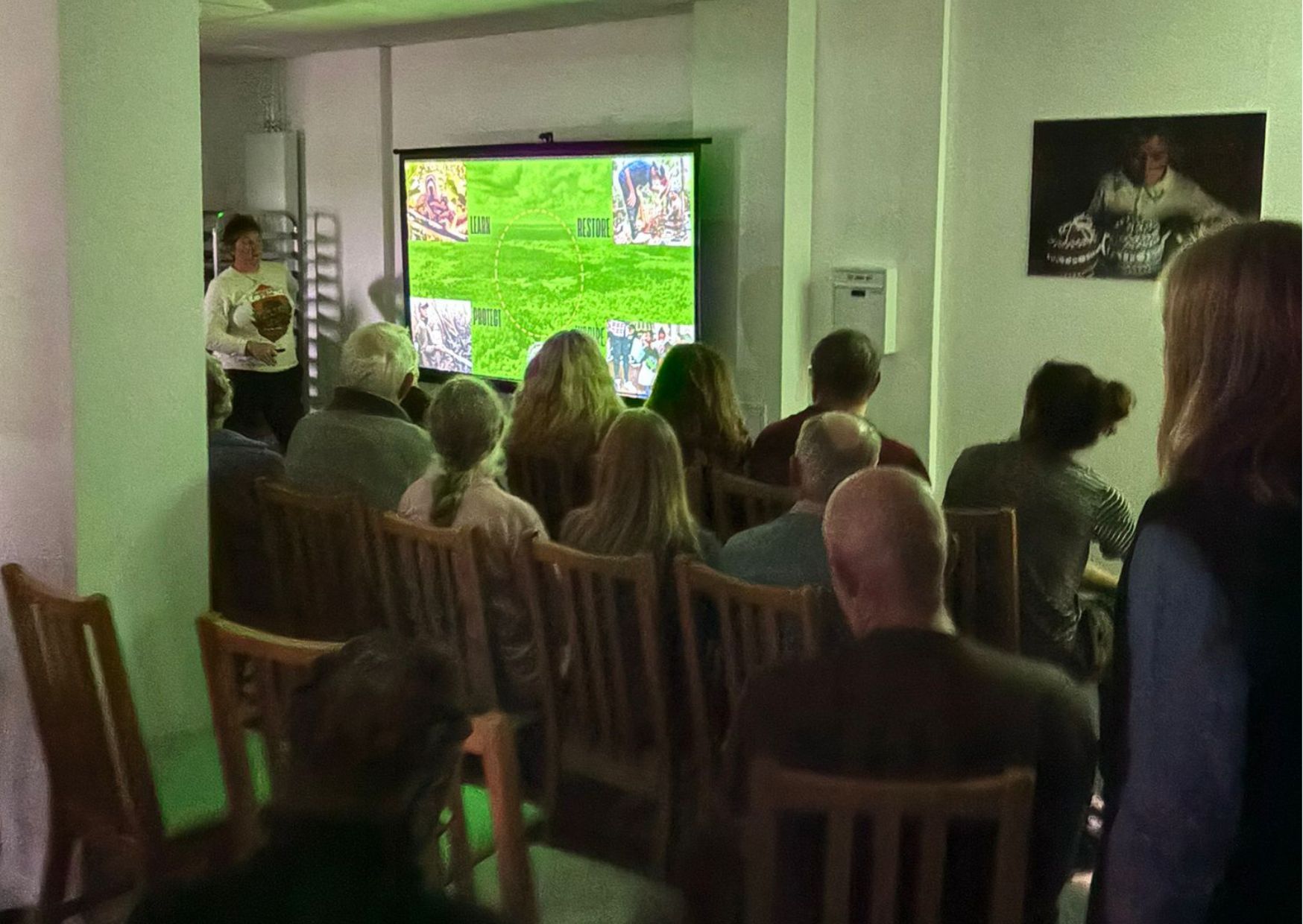
Dr Susan Cheyne, BNF Science Director, presented our work with the help of past staff member, ornithologist Nick Boyd, to a group of 40 visitors and islanders.
A surprising connection: peatlands
The link begins beneath our feet.
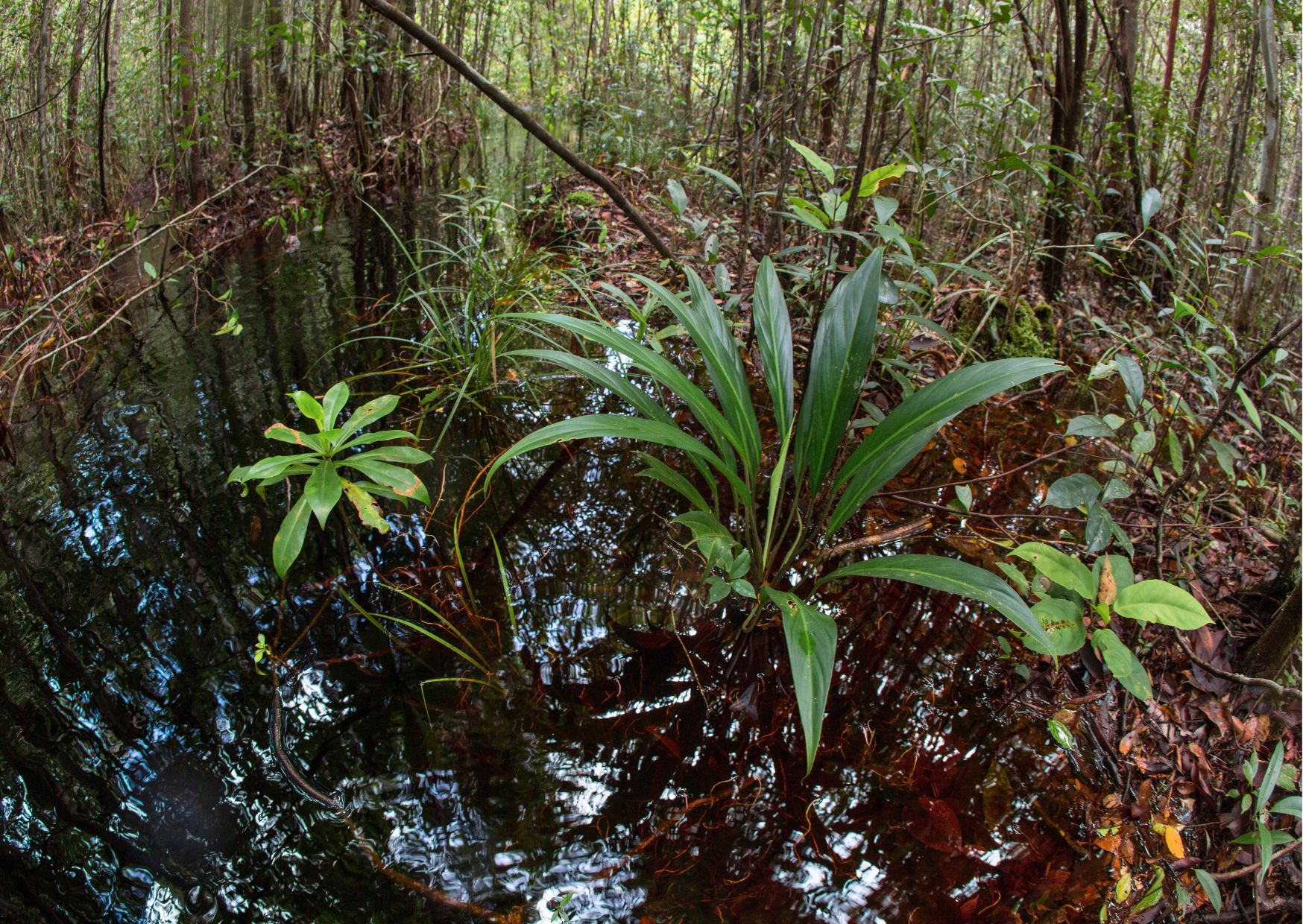
Fair Isle’s blanket bogs and Borneo’s tropical peatlands are both ombrogenous (rain-fed) peat systems, shaped by rainwater and critical for storing carbon. These peatlands act as global climate regulators. When intact, they lock away enormous quantities of carbon; when damaged, they release it—fueling climate change.
This connection highlights something profound: conservation anywhere matters everywhere. The health of Borneo’s forests can influence the same global systems that shape the Fair Isles, the same systems that shape all of Earth.
Why Borneo matters
Borneo is one of the most biologically rich places on Earth. A major carbon store and home to millions of people. This combination of biodiversity, climate importance, and human presence makes it a frontline for conservation, full of potential.
A “connected conservation” approach
Conservation can’t happen in isolation. Protecting wildlife isn’t just about studying animals or planting trees—it requires a coordinated, multi-layered strategy. It’s why we protect, restore, learn and inspire.
Not just landscapes, but life…
Brilliant birds
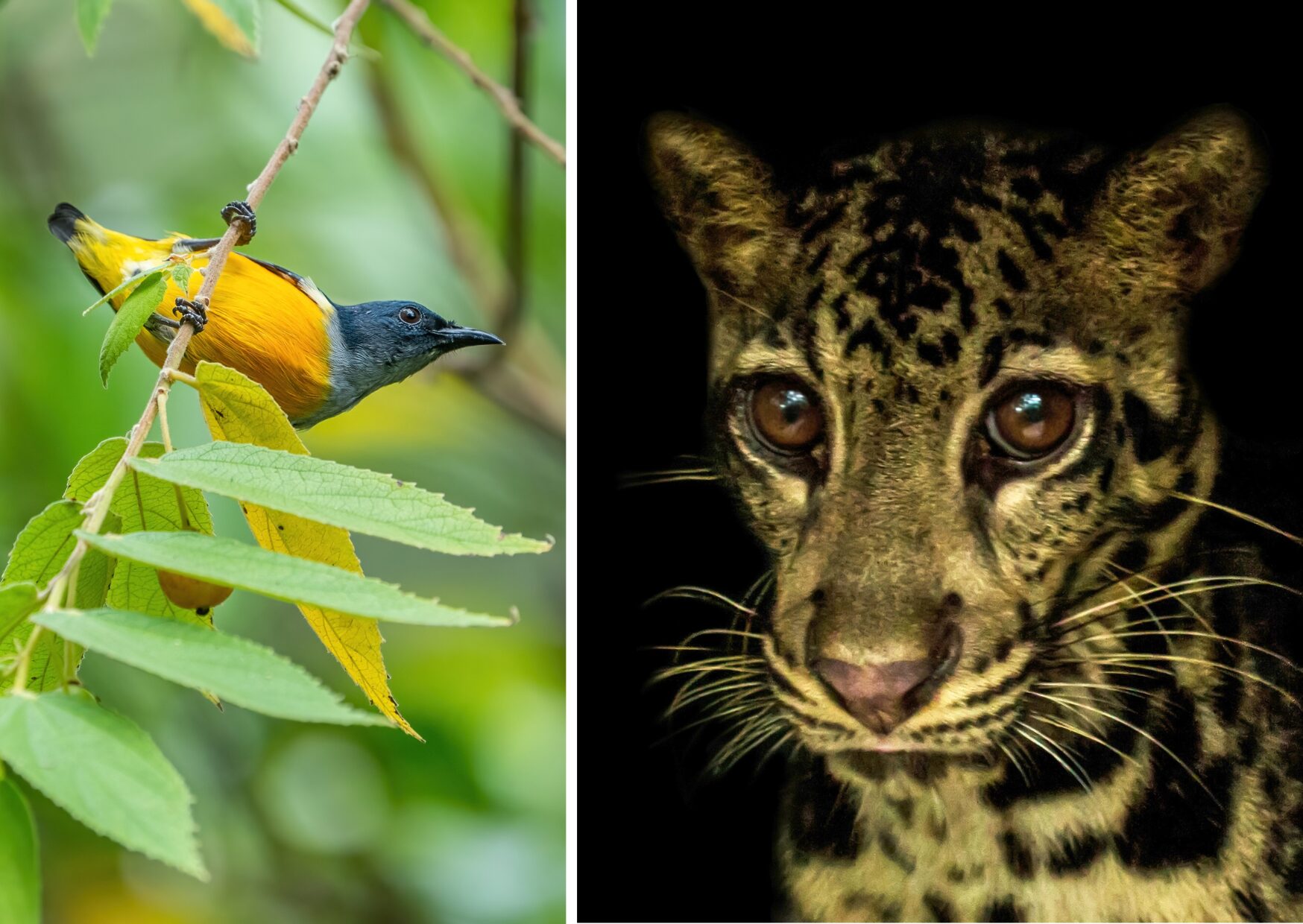
Birds provide another window into forest health using the “Bornean soundscape”—a rich tapestry of calls and songs that reflects biodiversity and ecosystem integrity, as well as the cultural importance of some bird species to local Dayak communities, reminding us that conservation is as much about people as it is about wildlife.
Cryptic cats
Perhaps the most elusive residents of Borneo are its wild cats. These species are rarely seen, making research and protection especially challenging—but all the more important.
A shared responsibility
This overarching message resonated strongly with an impromptu audience on Fair Isle: we are all connected. This is something I cannot help but share, even when on holiday!
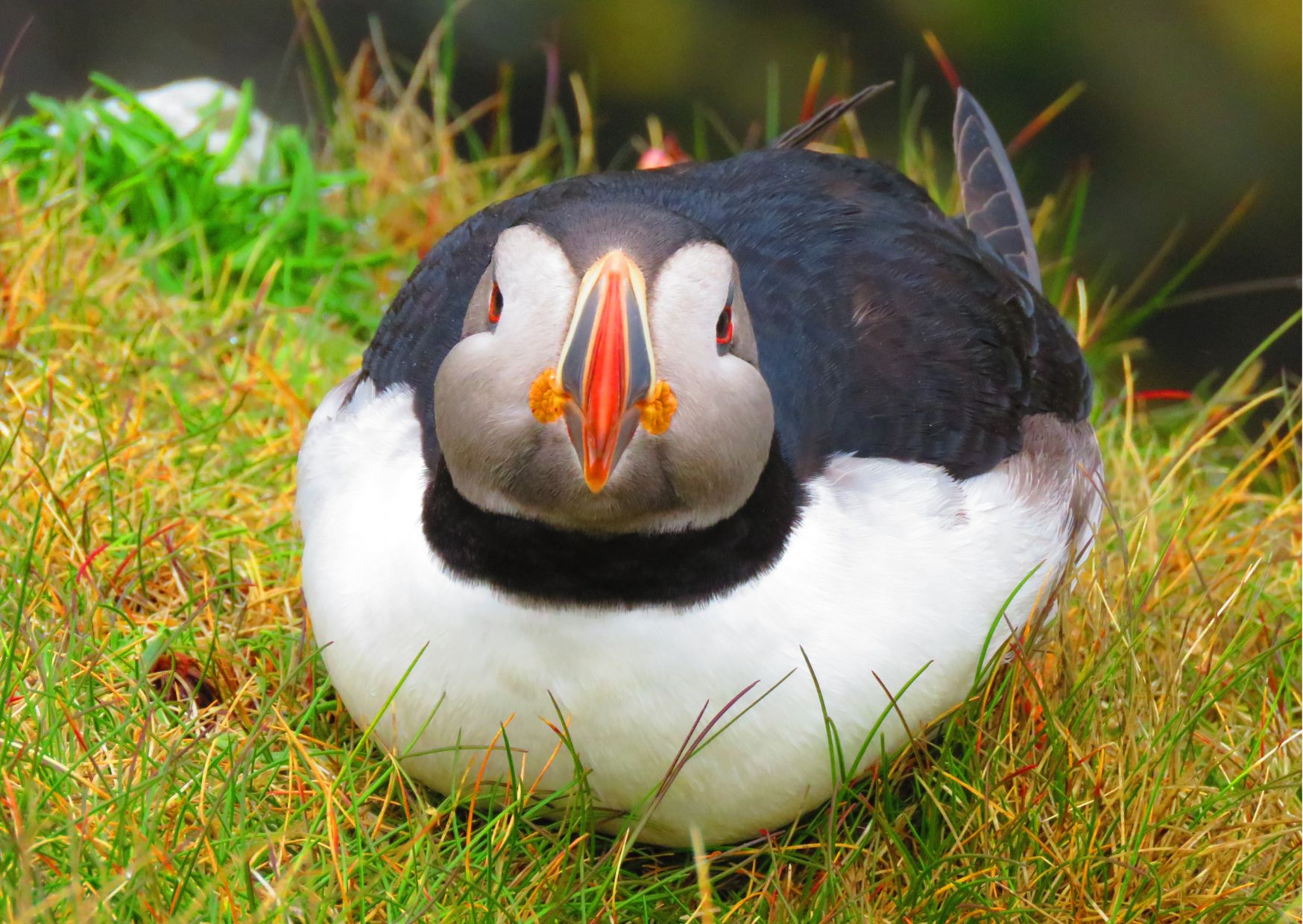
The truth is, whether, like Nick, you’re studying seabirds in the North Atlantic or orangutans in a tropical forest, the same global systems are at play. Climate change, biodiversity loss, and ecosystem degradation do not recognise borders. From Fair Isle to Borneo, conservation is a collective effort—one that depends on collaboration, curiosity, and commitment. By understanding these connections, we take a step closer to a world where both people and nature can thrive.
Make the connection, sign up to our newsletter to be linked with more stories of conservation action.


