

Conservation starts with that spark of connection.
The path to a career in conservation often begins in childhood, through opportunities to explore nature, ask questions and learn about the environment firsthand. That’s why environmental education is such an important part of our work – it lays the foundations for lasting change by helping young people build meaningful connections with the natural world.
Over the past few months, our youth groups have been doing exactly that, through a series of hands-on activities across Central Kalimantan in Indonesian Borneo.
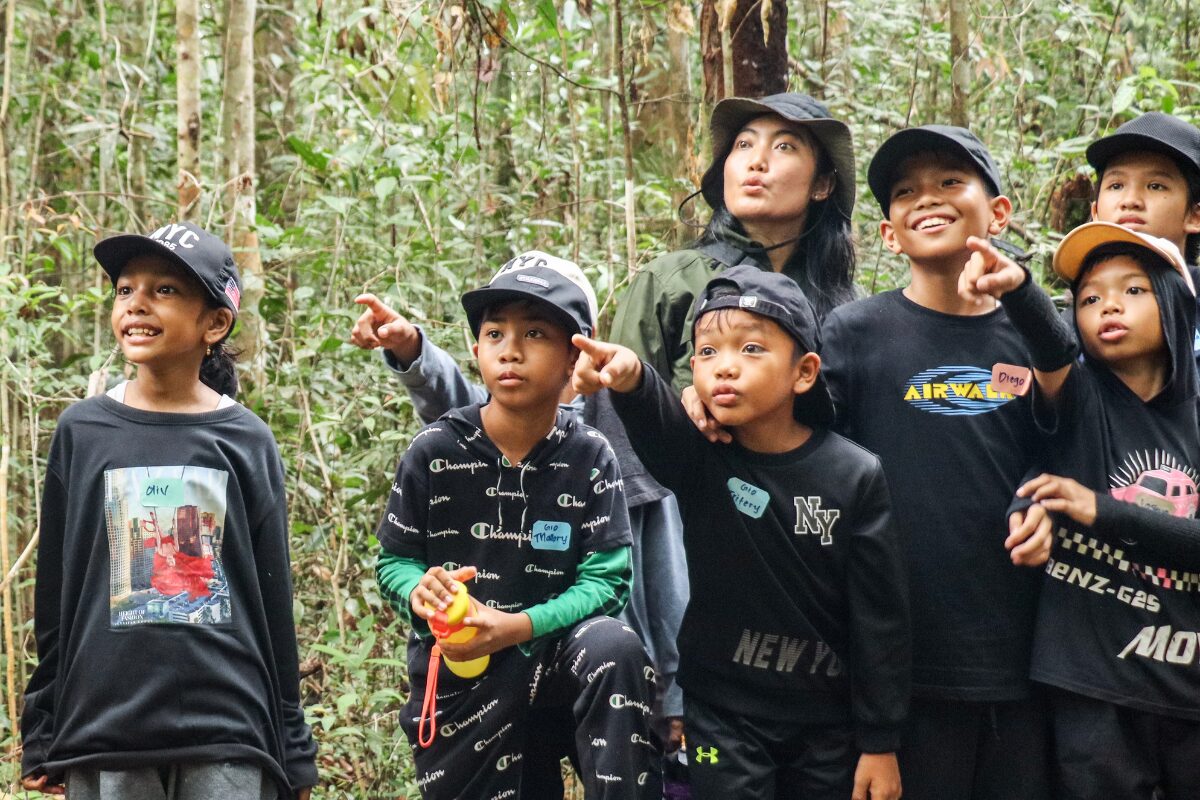
Discovering biodiversity through birdwatching
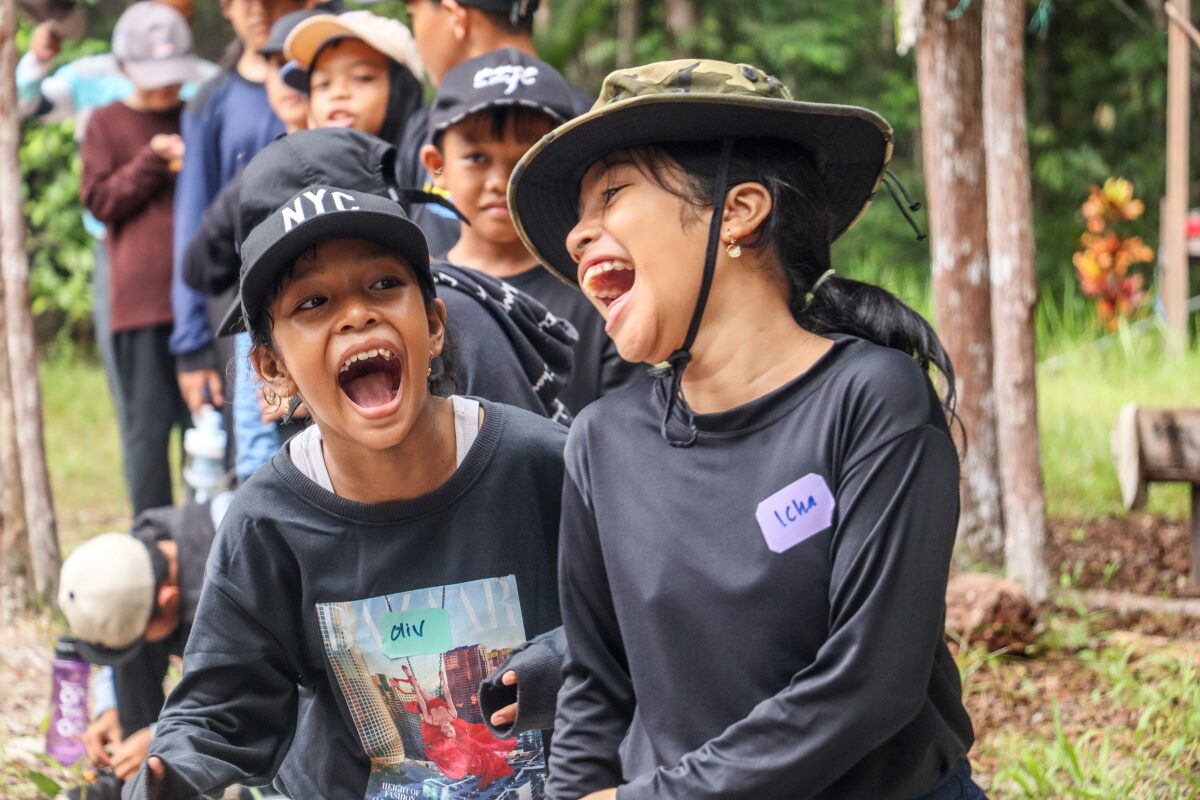
During a recent field trip, members of our Anak Sebangau children’s club learned how to identify birds during a guided walk through the forest. Birds are among the most accessible wildlife to observe, making them the perfect introduction to biodiversity and ecological observation.
Spending time outdoors encouraged participants to slow down, engage their senses and experience the forest firsthand. These early encounters with wildlife inspire a lasting curiosity about the forests they call home and the importance of protecting the habitats that sustain them.
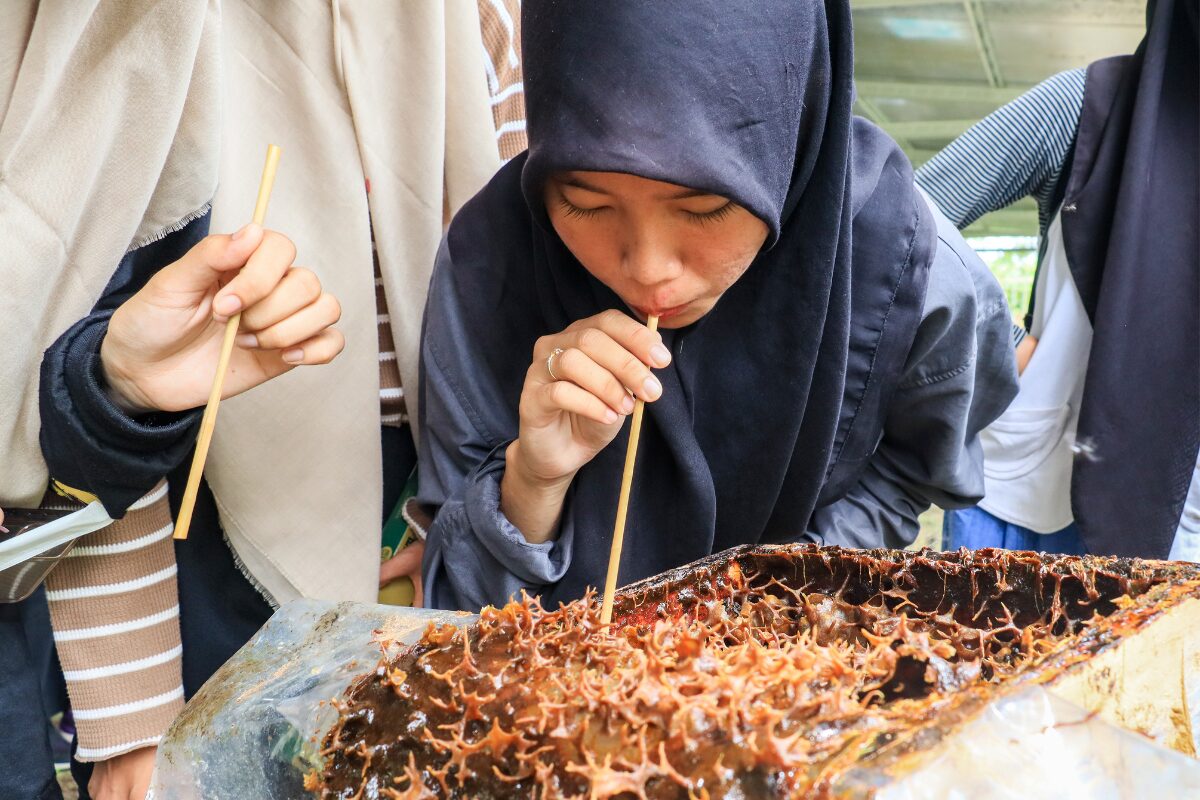
Seeing how conservation supports communities
Environmental education goes beyond ecosystems. It’s about understanding how people live within them and why healthy forests are essential to healthy communities.
Members of our Sebangau Rangers group travelled to Tuwung Village in May, where they visited one of our community partners to learn about stingless bee cultivation and honey production. As well as discovering the important role pollinators play in maintaining forest ecosystems, they saw how beekeeping can provide a source of sustainable income while encouraging communities to protect the forests on which bees depend.
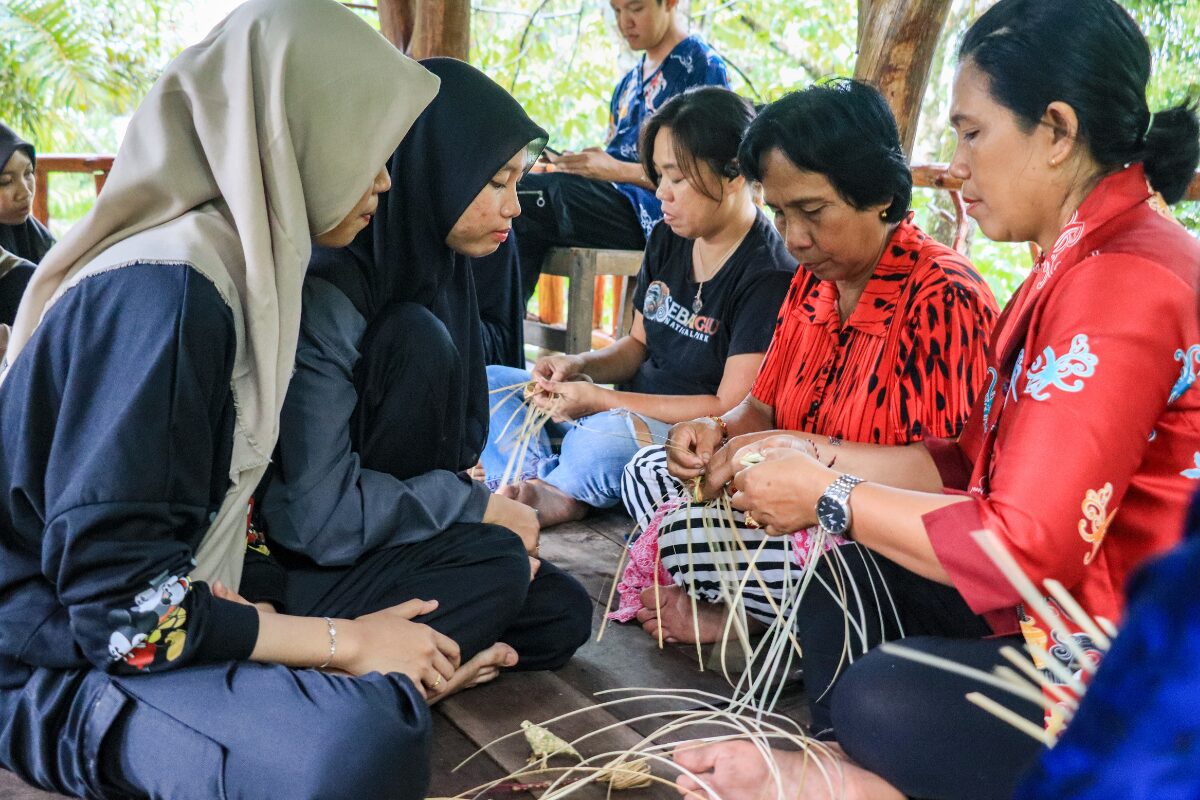
The group also learned to weave rattan, offering another example of how traditional, forest-based livelihoods can support communities without degrading the environment.
By meeting community members and seeing these initiatives in action, our youth group members gained a much deeper understanding of what conservation looks like in practice – not simply protecting nature, but creating opportunities for people to thrive alongside it.
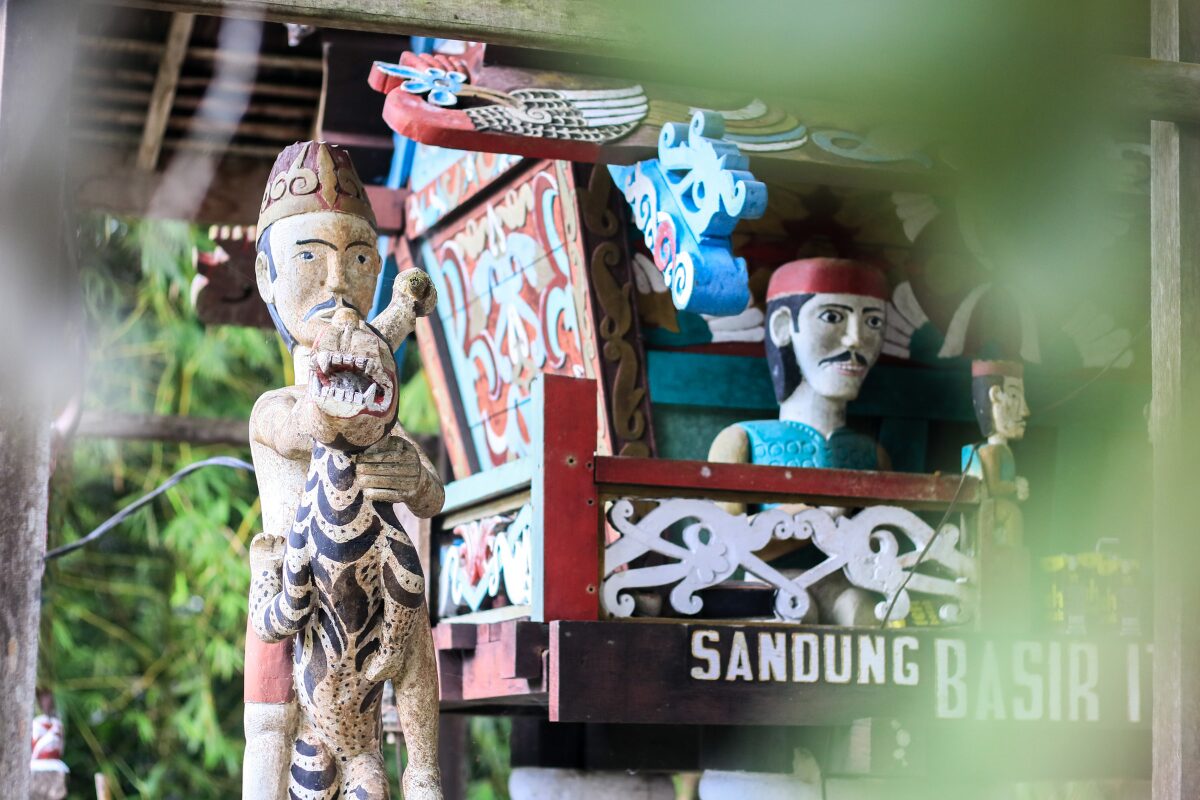
Where nature and culture meet
In Borneo, conservation cannot be separated from culture – specifically, the Indigenous Dayak culture, to which many of our staff, community partners and youth club members belong.
Traditionally, Dayak livelihoods have been closely connected to the natural environment through farming, fishing, hunting, gathering and the sustainable use of forest resources. Rather than viewing the forest simply as a source of timber or land, many Dayak communities have long understood it as the foundation of their cultural identity, wellbeing and way of life. This relationship has shaped everything from architecture and craftsmanship to oral traditions, music and dance – and it’s why cultural activities also form an important part of our environmental education programme.
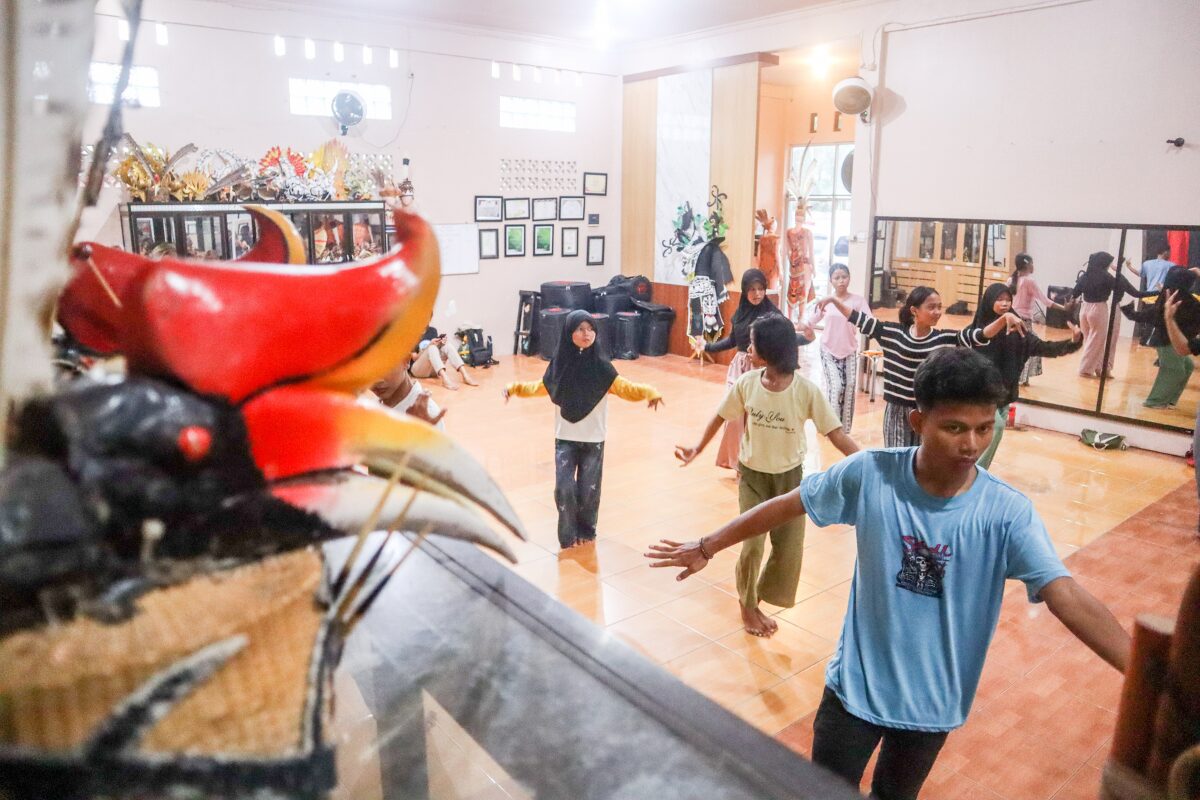
Through traditional Dayak dance classes, young people are not only learning choreography but also exploring the stories and values embedded within these performances. Many dances are inspired by the movements of birds and other wildlife or celebrate humanity’s relationship with the natural world, reflecting centuries of knowledge passed from one generation to the next.
By celebrating these traditions, we help strengthen both cultural identity and environmental stewardship, recognising that the two have always gone hand in hand.
Building the next generation of conservationists
Environmental education creates opportunities to connect people with the places they live, the cultures they inherit and the wildlife that surrounds them. These experiences spark curiosity, deepen understanding, and inspire people to care for the natural world.
We believe the future of Borneo’s forests depends on a generation of young people who value nature because they have experienced it firsthand. If you share that belief, please consider donating today to support our environmental education programmes.


