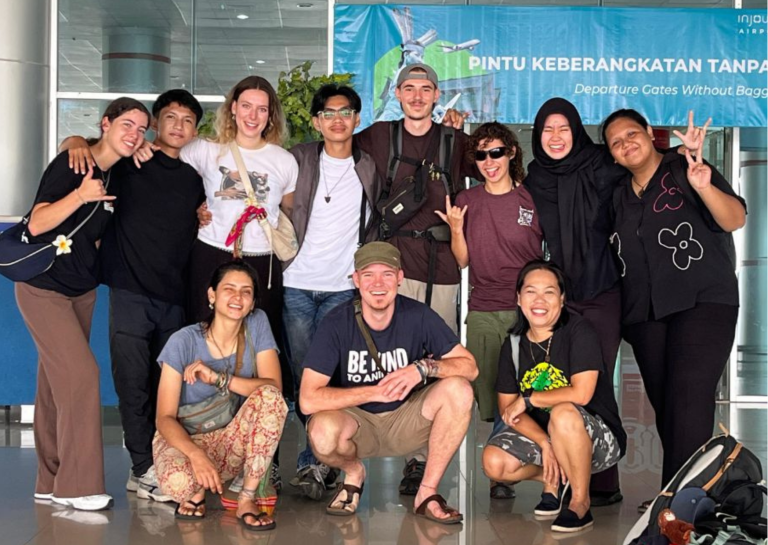
Guest blog by Georgia Allen
When we think about what orangutans eat, it’s easy to assume they’re simply choosing foods that provide energy and nutrition. But increasing evidence from around the world suggests some animals deliberately use plants to self-medicate too — do orangutans self-medicate?
Researchers have documented examples in gorillas, chimpanzees, birds and even insects. The first evidence of self-medication in wild orangutans emerged as part of a large-scale study led by Borneo Nature Foundation co-founder, Dr Helen Morrogh-Bernard. Multiple Bornean orangutans were observed chewing up the leaves of Dracena cantleyi, a rainforest plant known for its anti-inflammatory properties, and rubbing themselves with the resulting foamy mixture. Since then, at least one other example of self-medication in wild orangutans has been recorded, this time in Sumatra. This led me to wonder: are these genuine cases of self-medication, or might they be explained by chance?
This question was at the heart of my MSc research, recently published in Nature Scientific Reports. To investigate, I spent time observing wild orangutans in the rainforests of Borneo, looking not only at which plants they consumed but what combination of leaves, bark or stems that might offer health benefits.
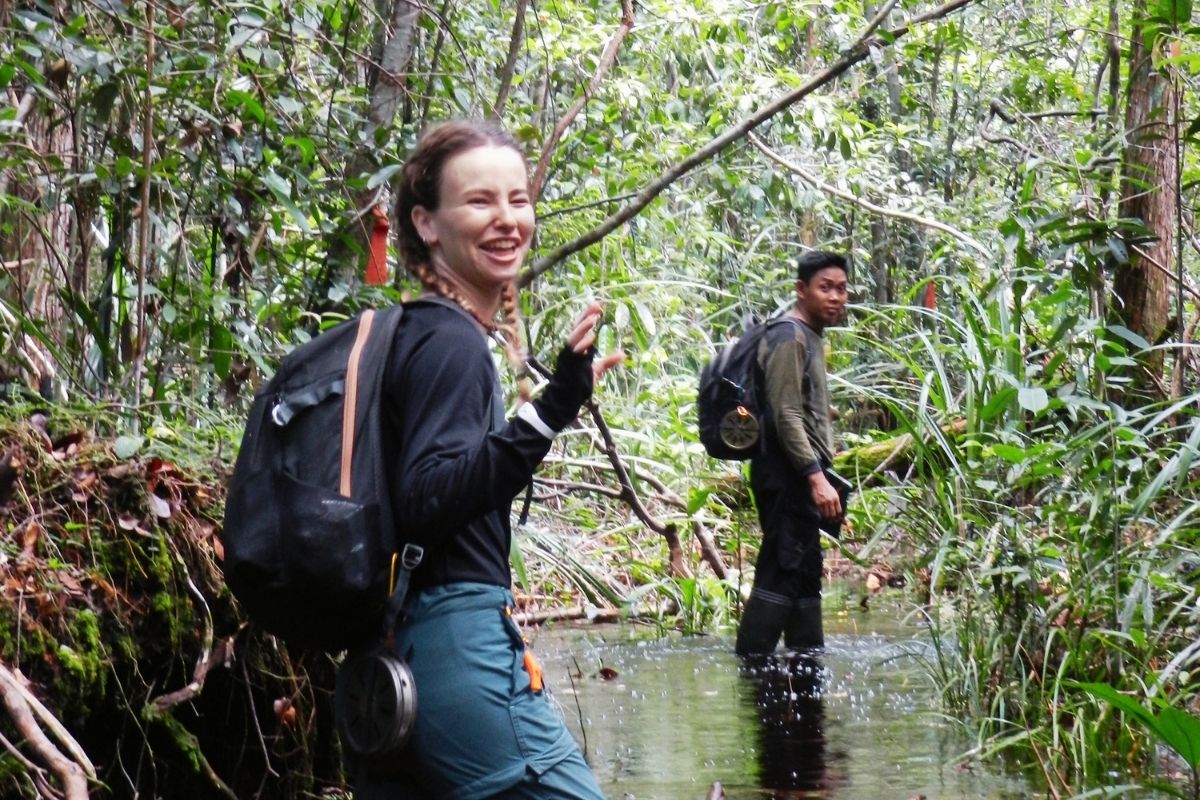
Do orangutans self-medicate using the rainforest as a pharmacy?
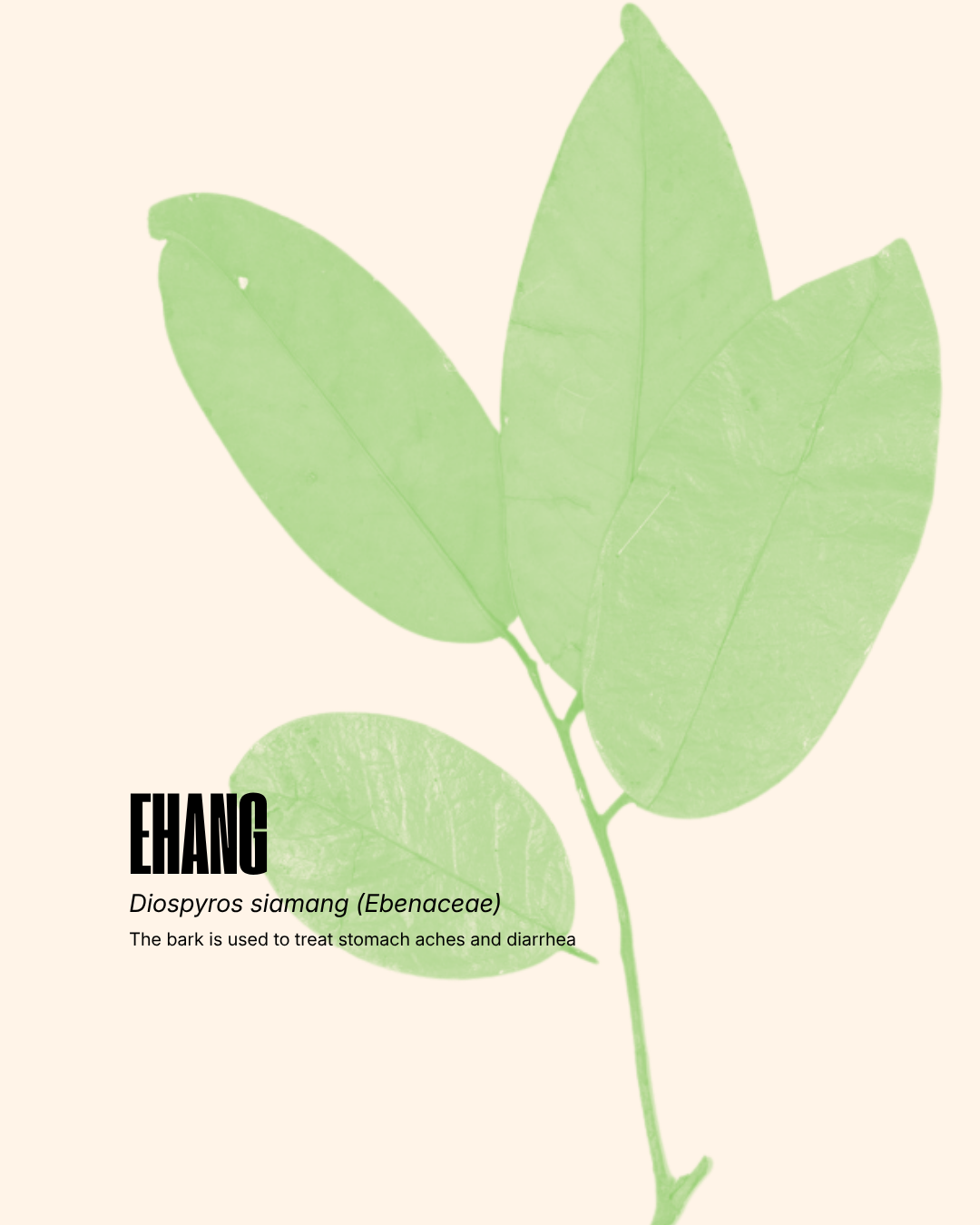
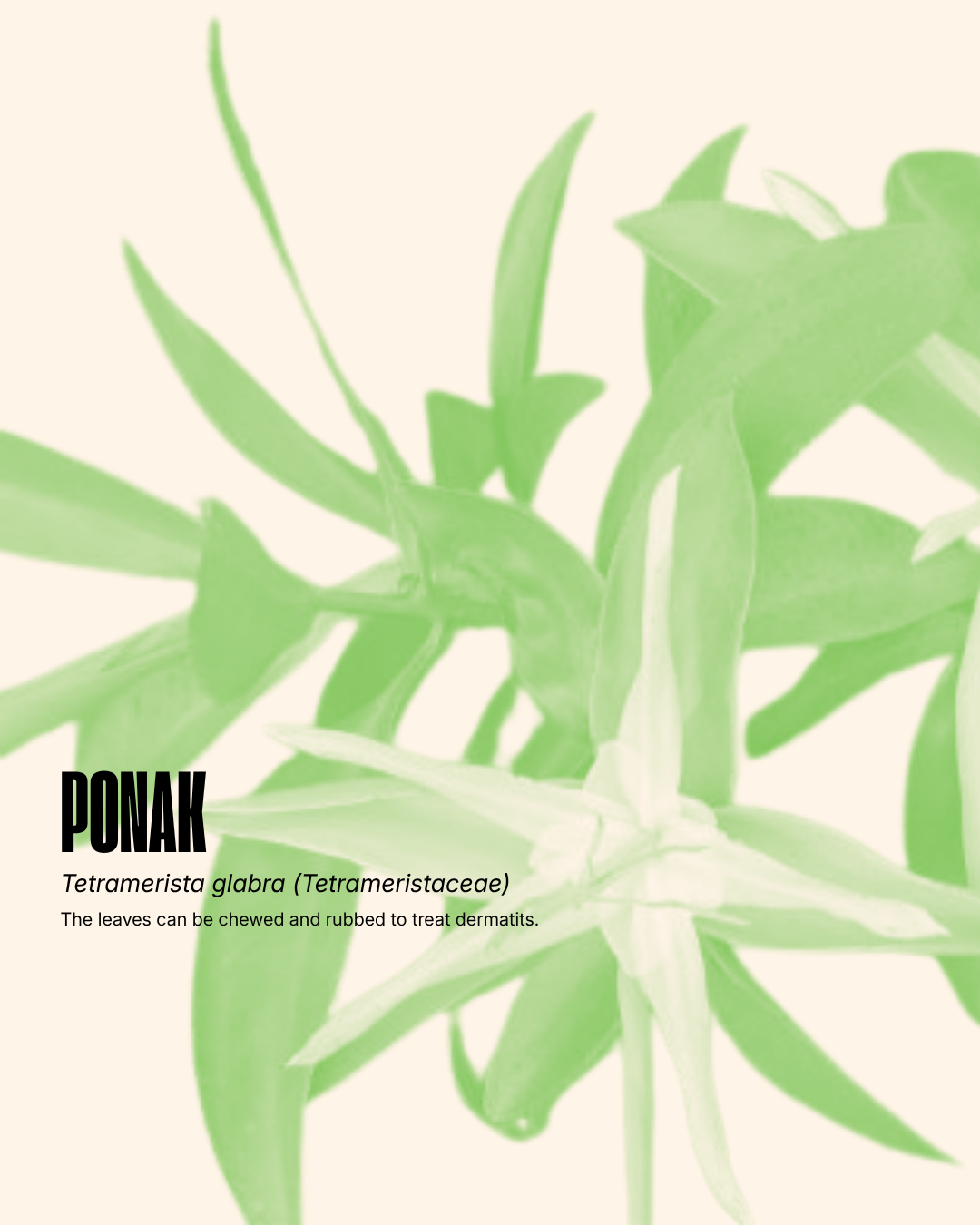
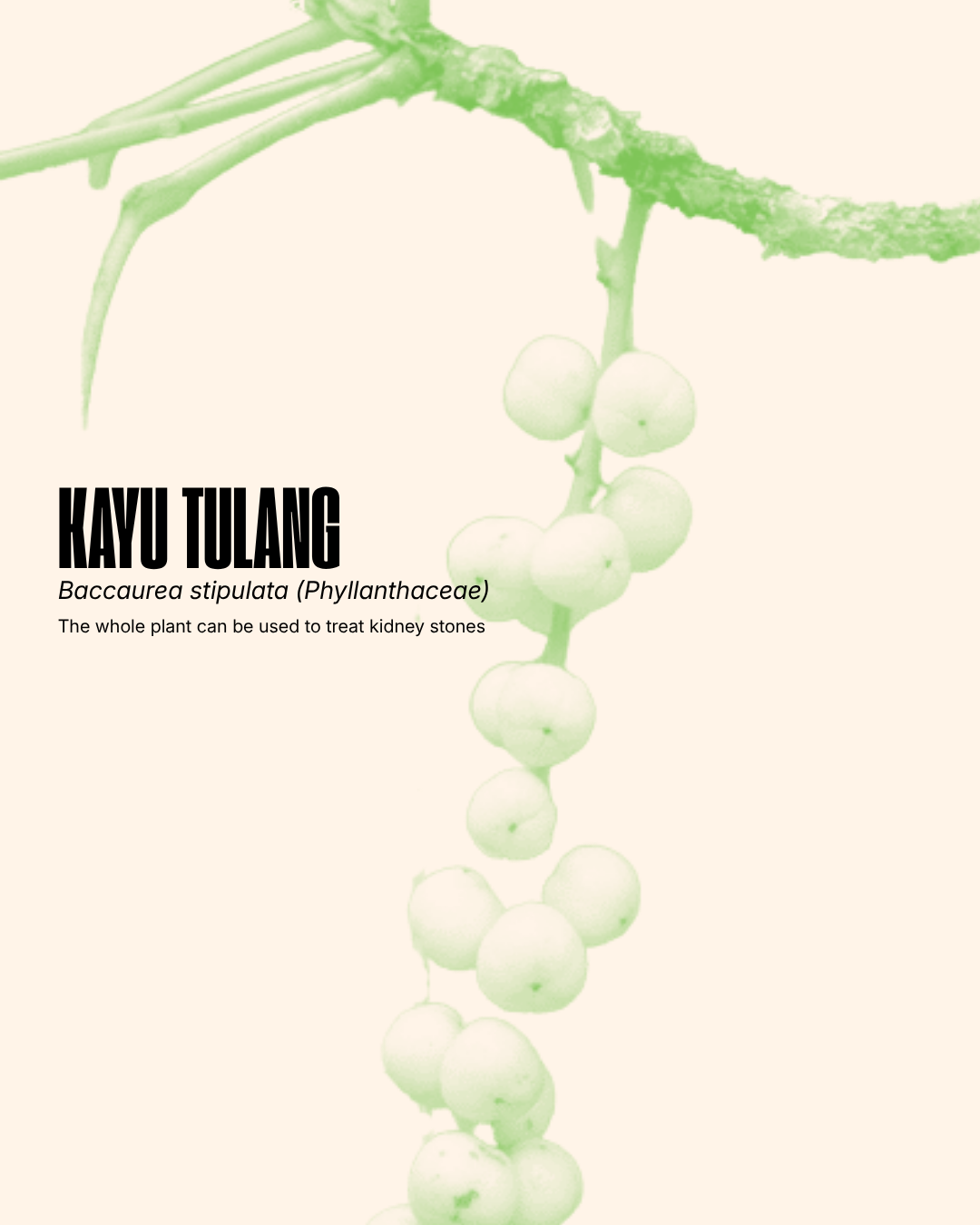
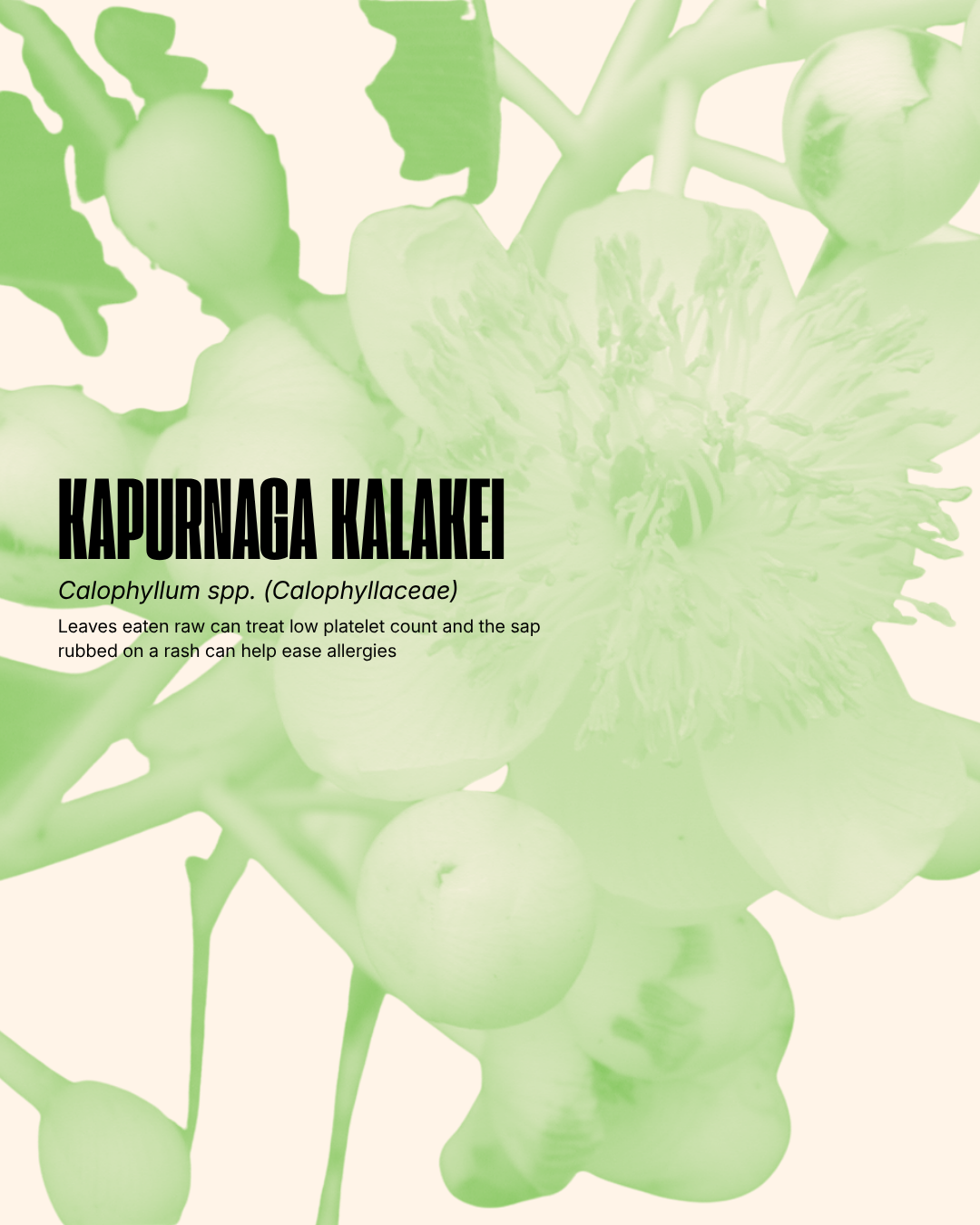
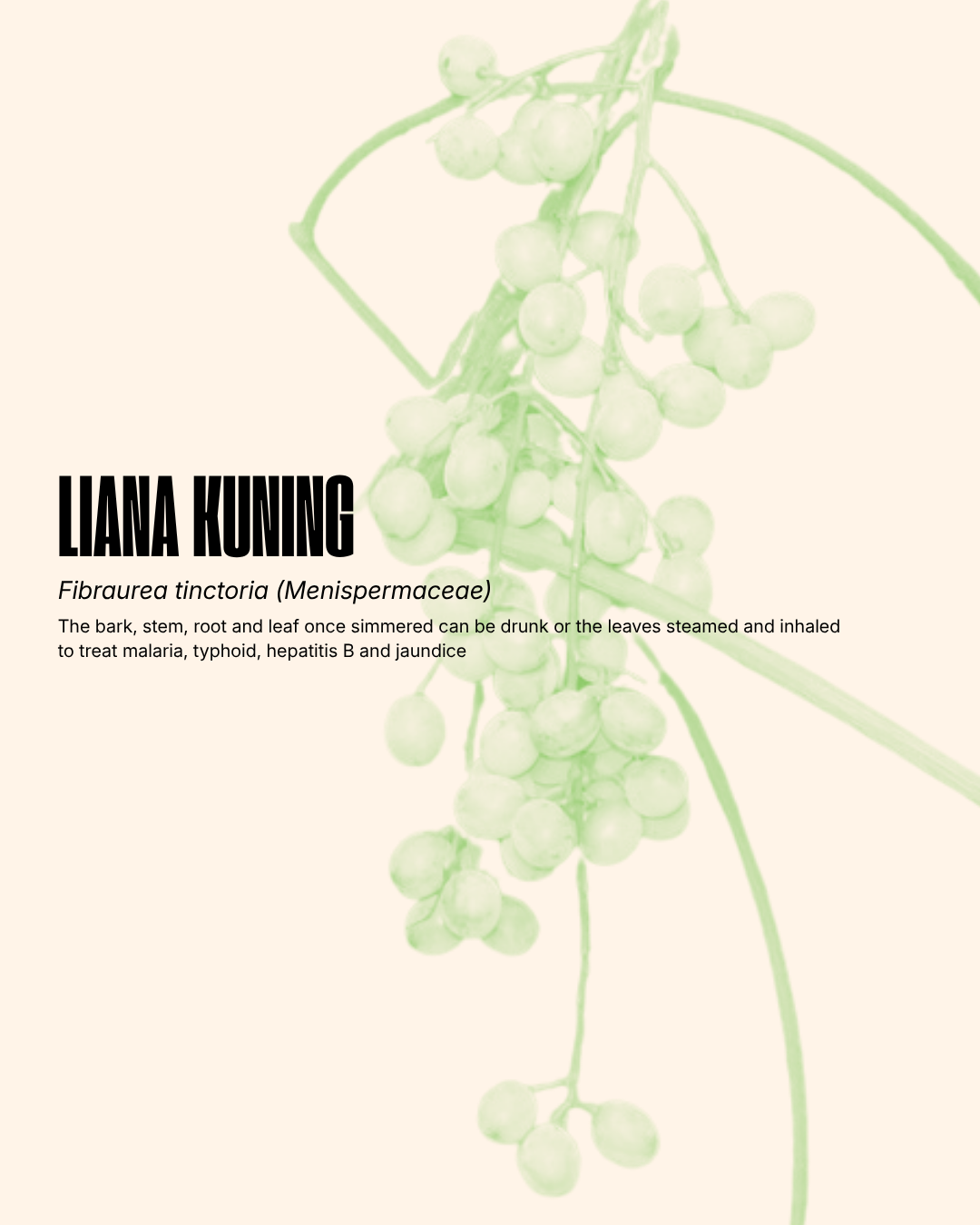
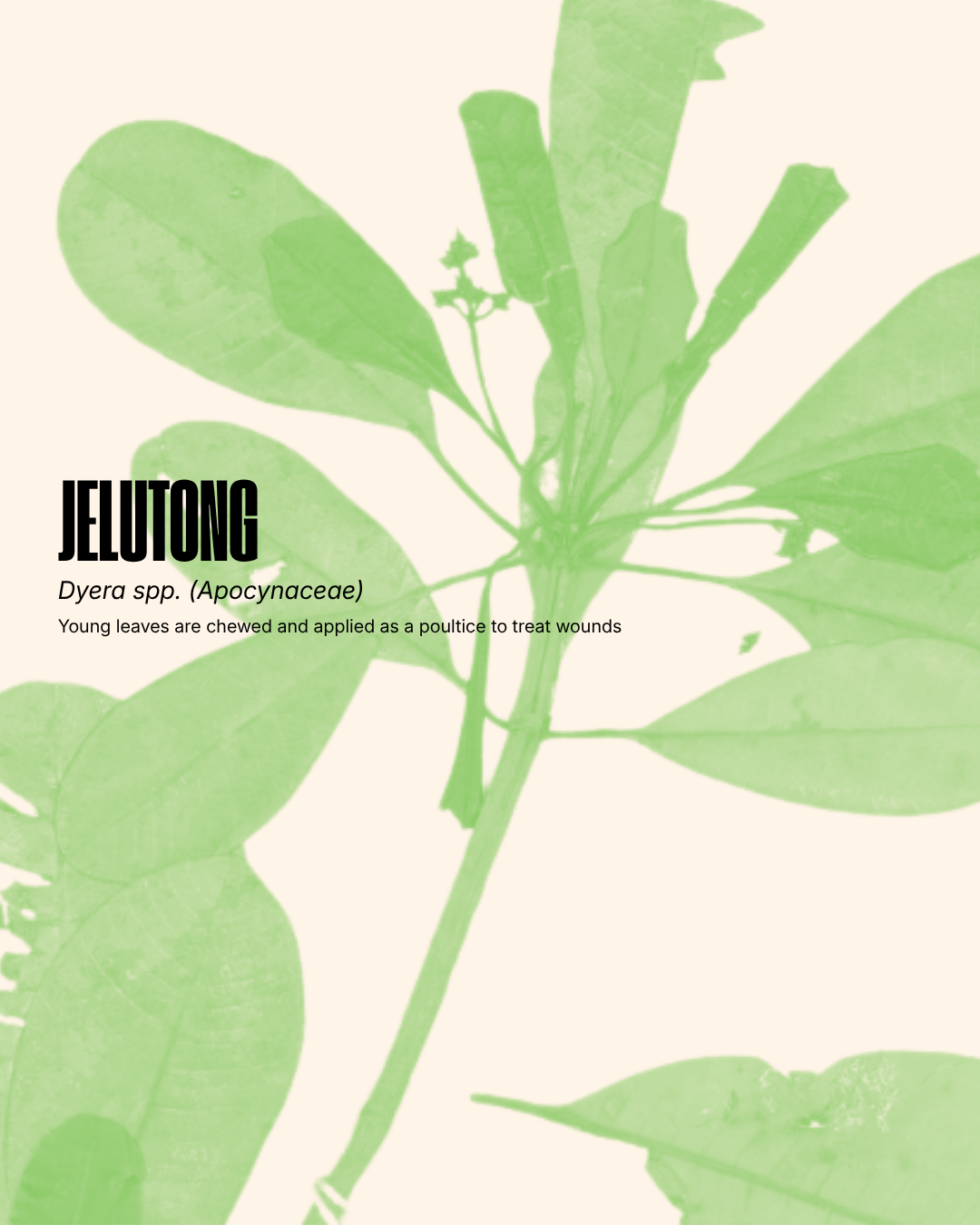
Orangutans appear to favour certain medicinal plant species in combination. Every significant combination I found included at least one plant already recognised by local Indigenous Dayak communities, plants they used to self-medicate that has particular properties.
While these findings don’t prove that orangutans self-medicate intentionally, they do suggest their choices may be far more purposeful than previously thought. Like combining ingredients in a recipe, different plants may work together to produce greater benefits than they would individually, a concept known as synergy that is also used in modern medicine.
Why does this matter?
Perhaps the most remarkable aspect of these findings is what they reveal about orangutans themselves. Rather than simply surviving within their environment, eating whatever they can, they appear to interact with it in sophisticated ways, making selective decisions about the resources they use. If orangutans are indeed able to identify and use medicinal plants, if it’s part of their culture, it adds another layer to our understanding of their intelligence and the depth of their relationship with the rainforest.
That relationship also underscores why conserving orangutans means protecting far more than the animals themselves. They depend on the extraordinary diversity of the rainforest, not only for food and shelter, but potentially for maintaining their health as well. Deforestation and forest degradation don’t simply remove habitat; they may also eliminate the natural resources orangutans rely on to cope with injury and illness.
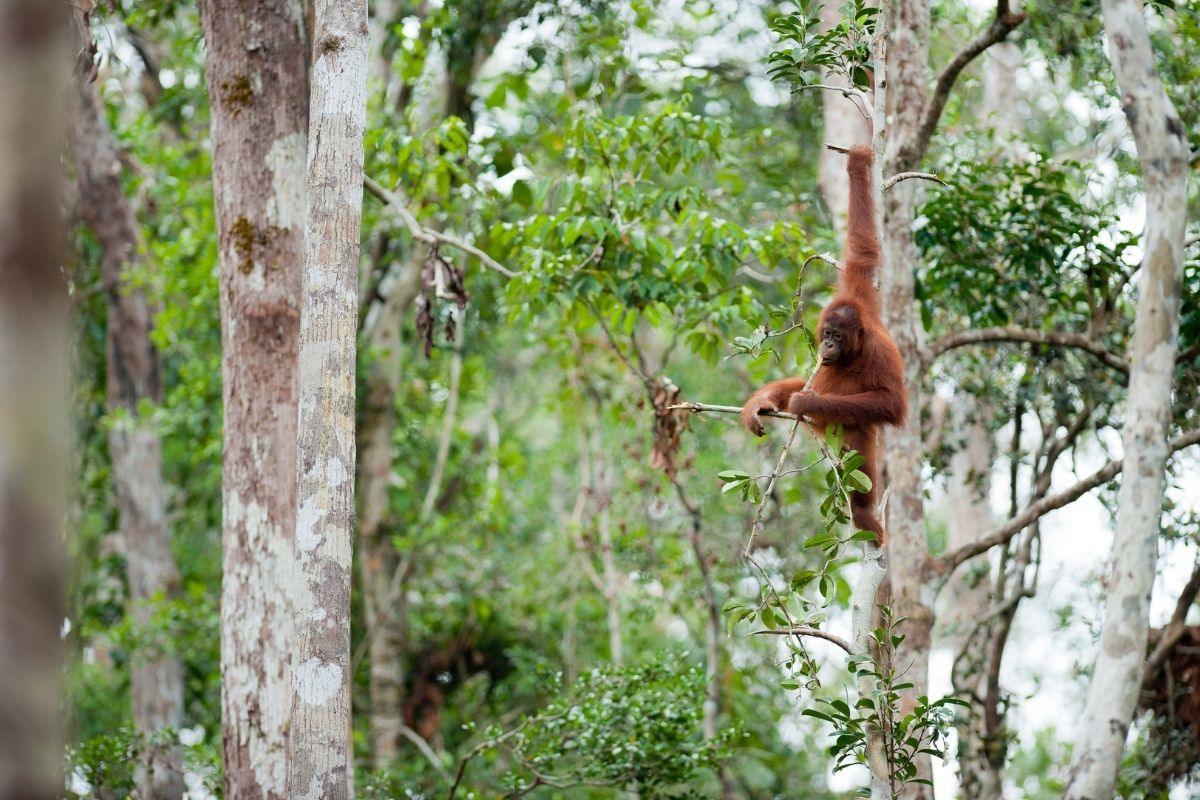
Protecting the forest protects orangutans
Ultimately, these discoveries reinforce the importance of conserving whole ecosystems. Borneo’s rainforests are not just places where wildlife lives, but complex, interconnected environments that support countless relationships between species, climate and of course, people. The more we learn about orangutans, the clearer it becomes that protecting these forests means safeguarding the intricate ecological networks that make such remarkable behaviours possible.
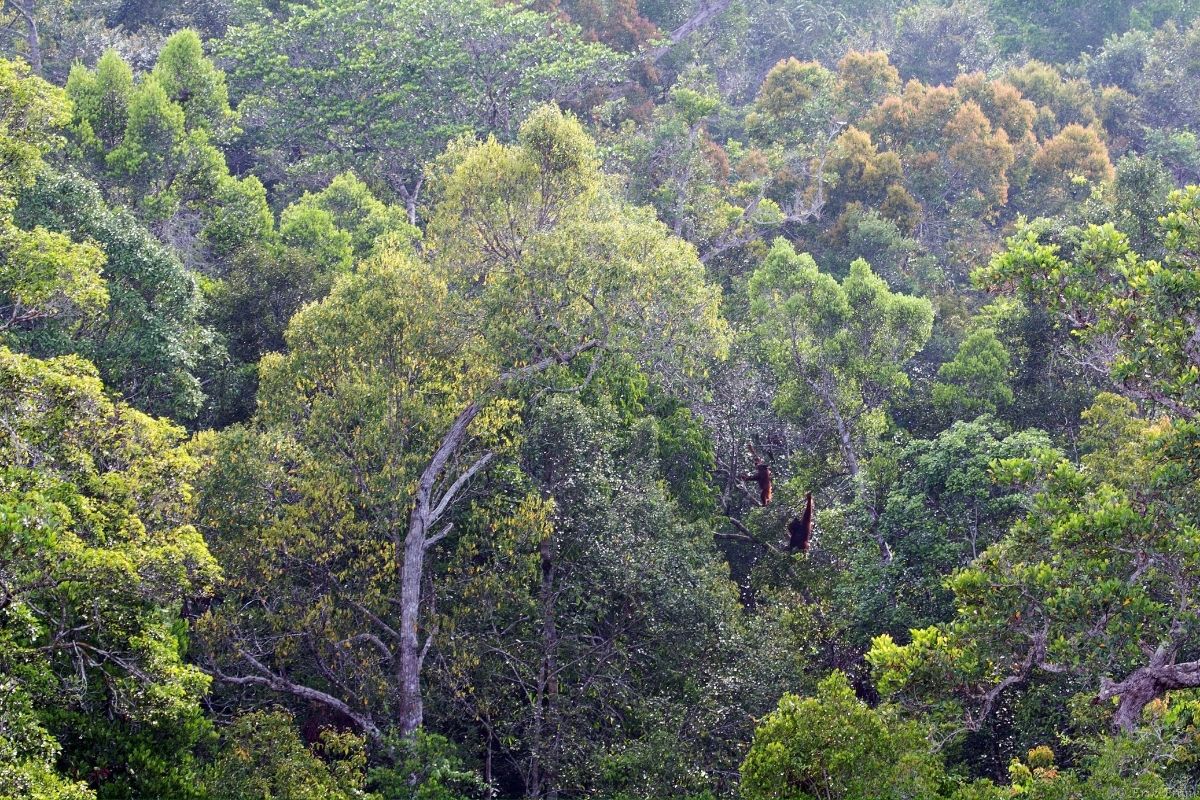
The peat-swamp forests of Sebangau National Park, where I conducted my research, are home to the largest contiguous population of wild orangutans anywhere on Earth. Yet despite national protection for both the Park and its orangutans, the threat of dry-season fires looms large. The risk is particularly high when the annual dry season coincides with hotter, drier El Niño conditions, like those we’ve experienced in recent months. Peat fires can destroy vast areas of forest, taking with them countless plant species that orangutans depend on for survival, in ways we’re only just beginning to understand.
On International Orangutan Day (August 19), you can help Borneo Nature Foundation protect these extraordinary ecosystems and the intelligent apes that call them home.
Donate today and help keep the orangutans’ forest pharmacy stocked
Follow my academic journey on LinkedIn
Acknowledgements
I’m deeply grateful to the Borneo Nature Foundation for providing the essential data for my research. I also want to thank my academic supervisors for their invaluable guidance throughout my project. Finally, a special thank you goes out to Re:wild for their sponsorship, which made this research possible.