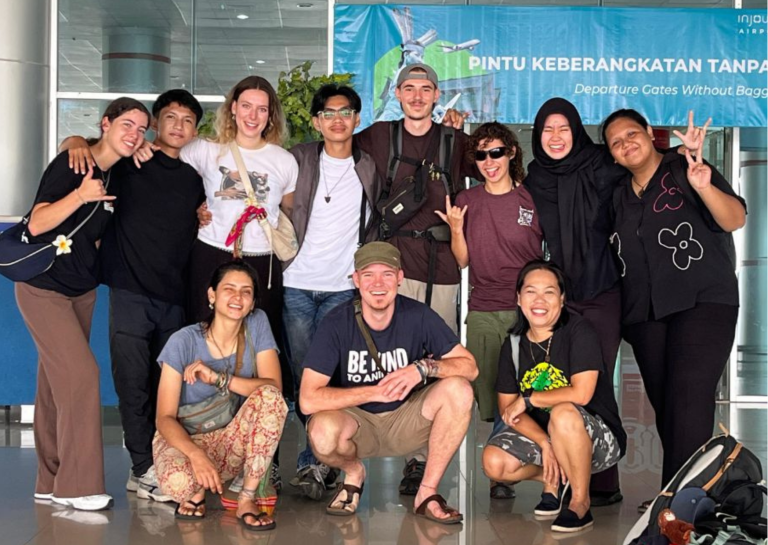
Guest blog by Georgia Allen
Our early findings suggest that orangutans may be selecting certain plants, and even particular combinations of plants, in ways that are not random. While this is an exciting step forward, it also marks the beginning of a much larger scientific journey.
Understanding whether orangutans intentionally self-medicate will require researchers from many different disciplines working together over the coming years. From long-term behavioural studies to laboratory analysis of rainforest plants, there is enormous potential to deepen our understanding of how these great apes interact with their environment.
The long game
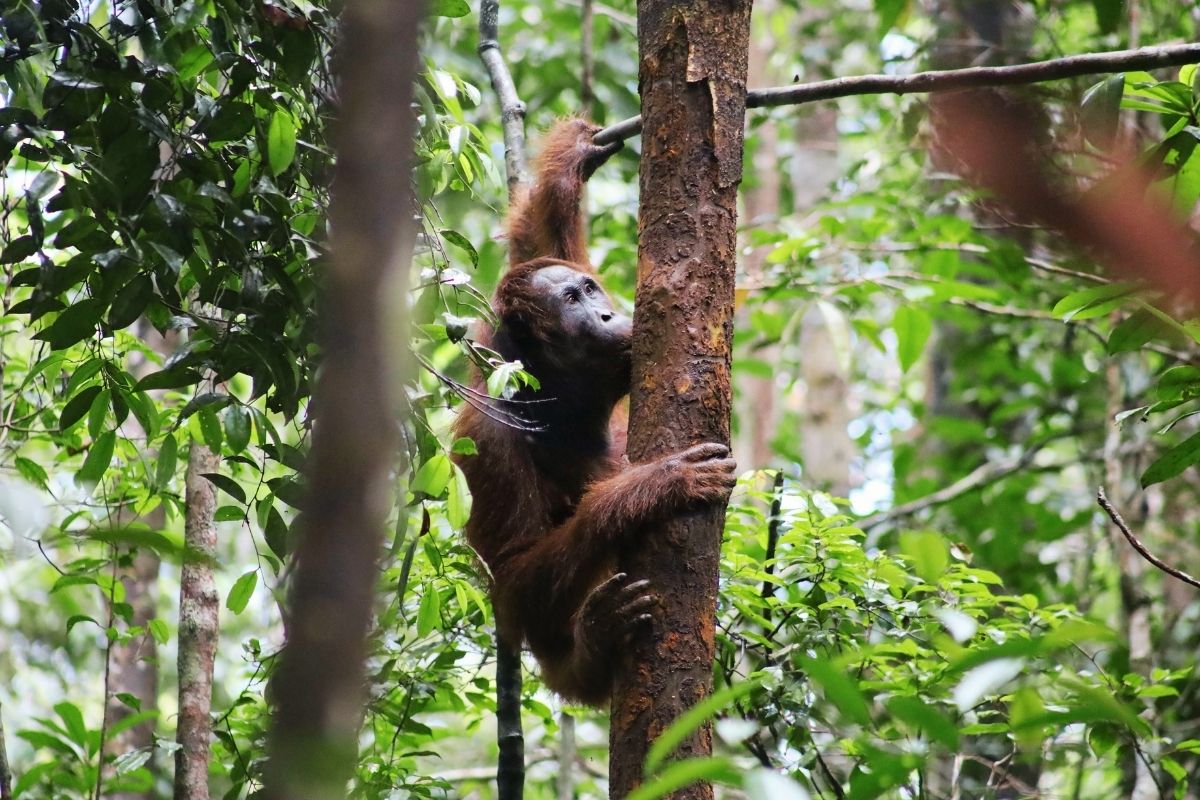
Long-term studies could reveal when and why orangutans use particular plants, and whether these behaviours change depending on an individual’s age, sex, health or life stage. Researchers could also investigate whether self-medicative behaviours differ between populations living in different parts of Borneo or Sumatra, where the available plant species vary considerably.
Following orangutans over many years would allow us to understand how environmental change influences these behaviours. As forests are fragmented, degraded or altered by climate change, do orangutans lose access to important medicinal plants? If so, what impact might this have on their health?
Plant power
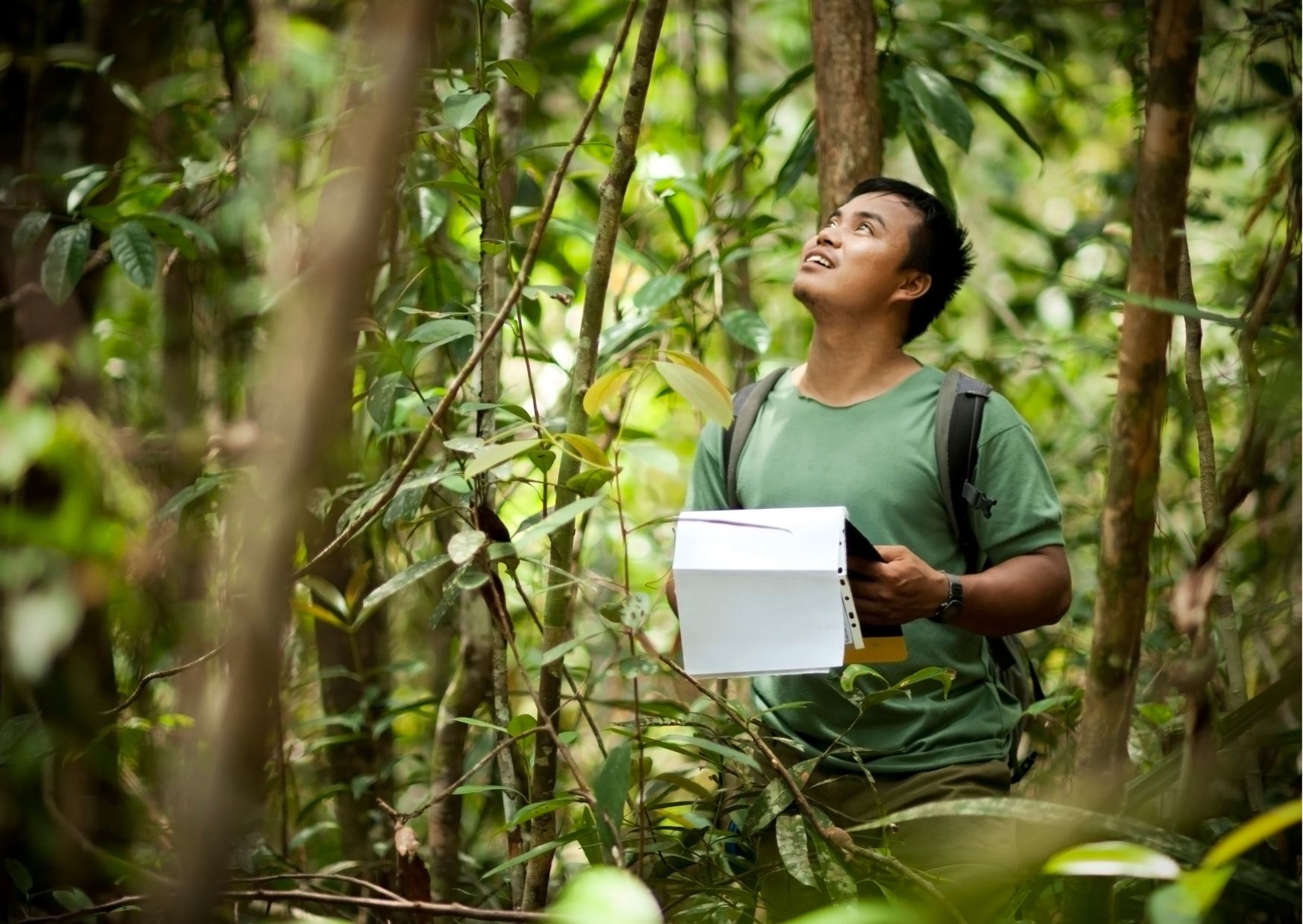
Another exciting area for future research is analysing the chemistry of the plants orangutans choose. Many tropical plants contain bioactive compounds with anti-inflammatory, antimicrobial or antiparasitic properties, but we still know relatively little about the species orangutans select and how these chemicals might affect their health.
Behavioural observations tell us what orangutans appear to be doing, but they cannot always explain why.
Researchers could also investigate whether combinations of plants work together in complementary ways. In human medicine, combining compounds can sometimes produce greater effects than using a single ingredient alone. Could orangutans be benefiting from similar synergistic relationships between different plants?
Answering these questions will require close collaboration between behavioural ecologists, botanists, chemists and pharmacologists.
Indigenous knowledge
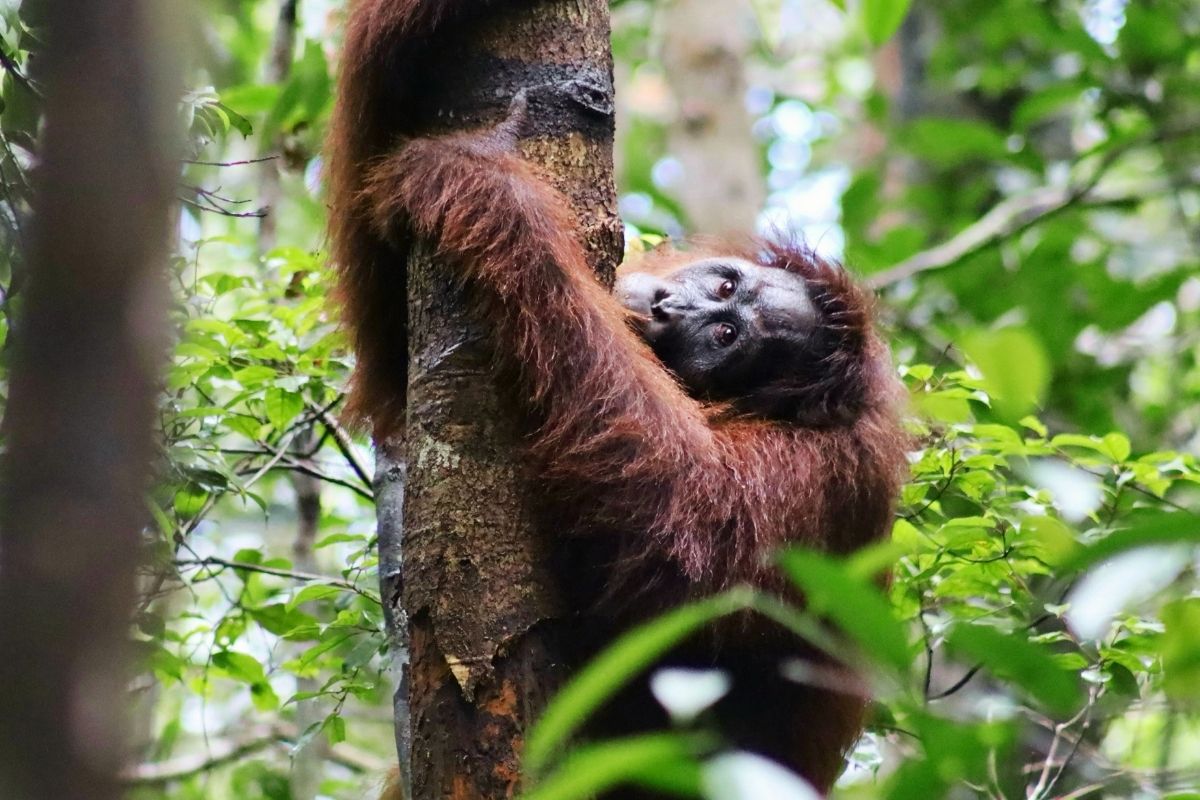
Some of the most valuable insights may come from people who have lived alongside these forests for generations.
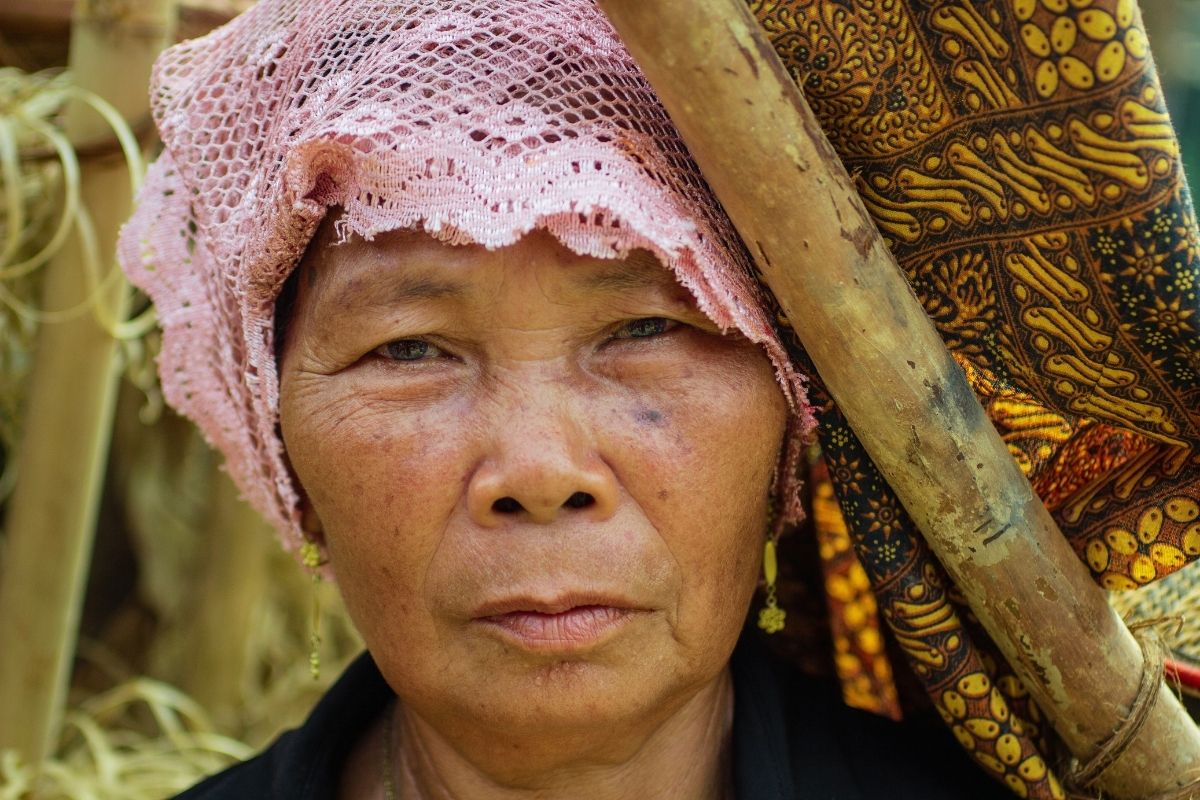
Throughout this research, the traditional knowledge of the Dayak community has provided an important point of comparison. Many of the plants identified in orangutan resource combinations are already recognised locally for their medicinal properties, offering an invaluable foundation for further investigation.
This highlights the importance of bringing together different ways of knowing. Indigenous communities possess generations of knowledge about the medicinal uses of rainforest plants, while scientific research can help test and explore these observations in new ways. Together, these approaches can create a richer understanding of both the forest and the wildlife that depends upon it.
A new way of thinking about conservation
As our understanding of orangutan self-medication grows, it could also influence how we approach conservation.
If certain plant species prove to be important for orangutan health, they could become priorities for habitat restoration and forest management. Restoring degraded forests would no longer be about replacing trees alone; it would also mean restoring the diversity of plant species that orangutans may depend on throughout their lives.
This research could even contribute to how conservationists monitor wild populations. Understanding when and where orangutans seek out medicinal plants may offer new clues about their health and the condition of the ecosystems they inhabit.
Every discovery leads to new questions
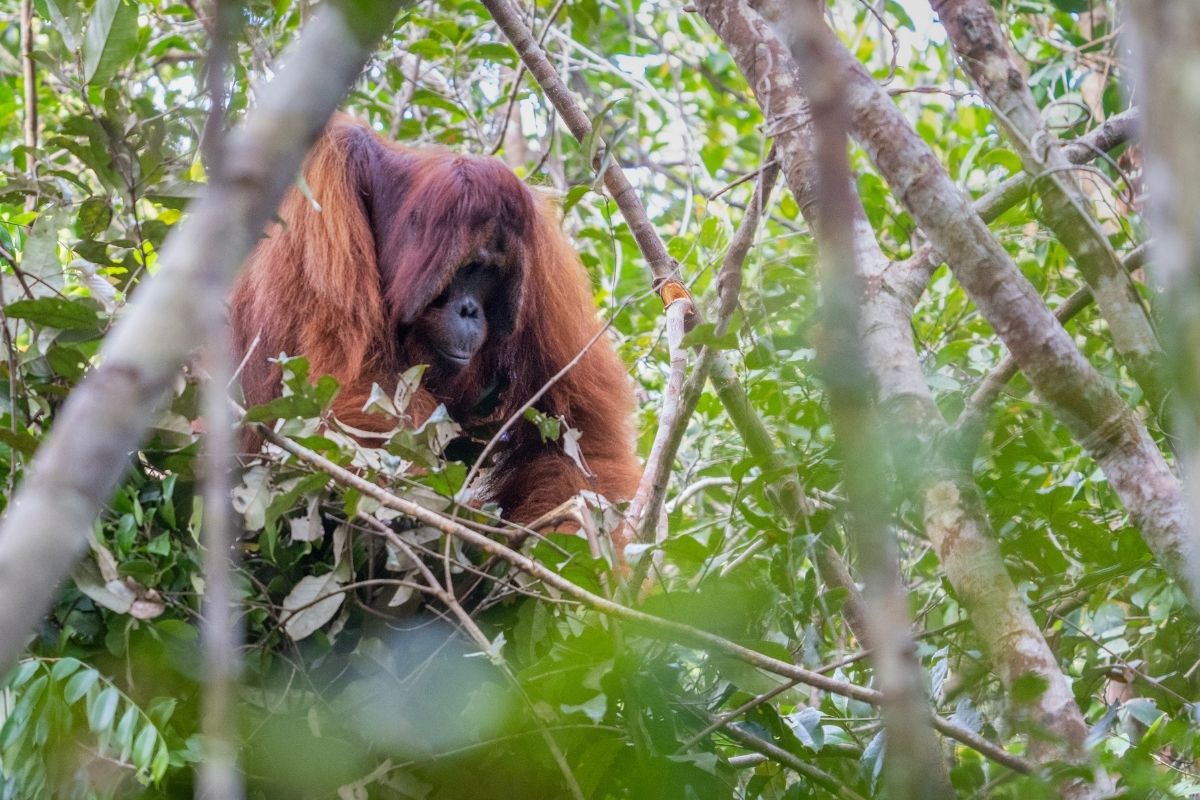
We are only beginning to understand the complexity of orangutans’ relationship with the rainforest, but each discovery reveals another layer of their remarkable intelligence and adaptability. By combining long-term field observations, laboratory research and Indigenous knowledge, future studies have the potential to transform our understanding of how great apes maintain their health in the wild.
This research also reminds us that tropical forests are intricate, interconnected systems, where the survival of a species may depend on countless relationships that we are only just beginning to uncover. The more we understand those relationships, the better equipped we will be to protect them for generations to come.