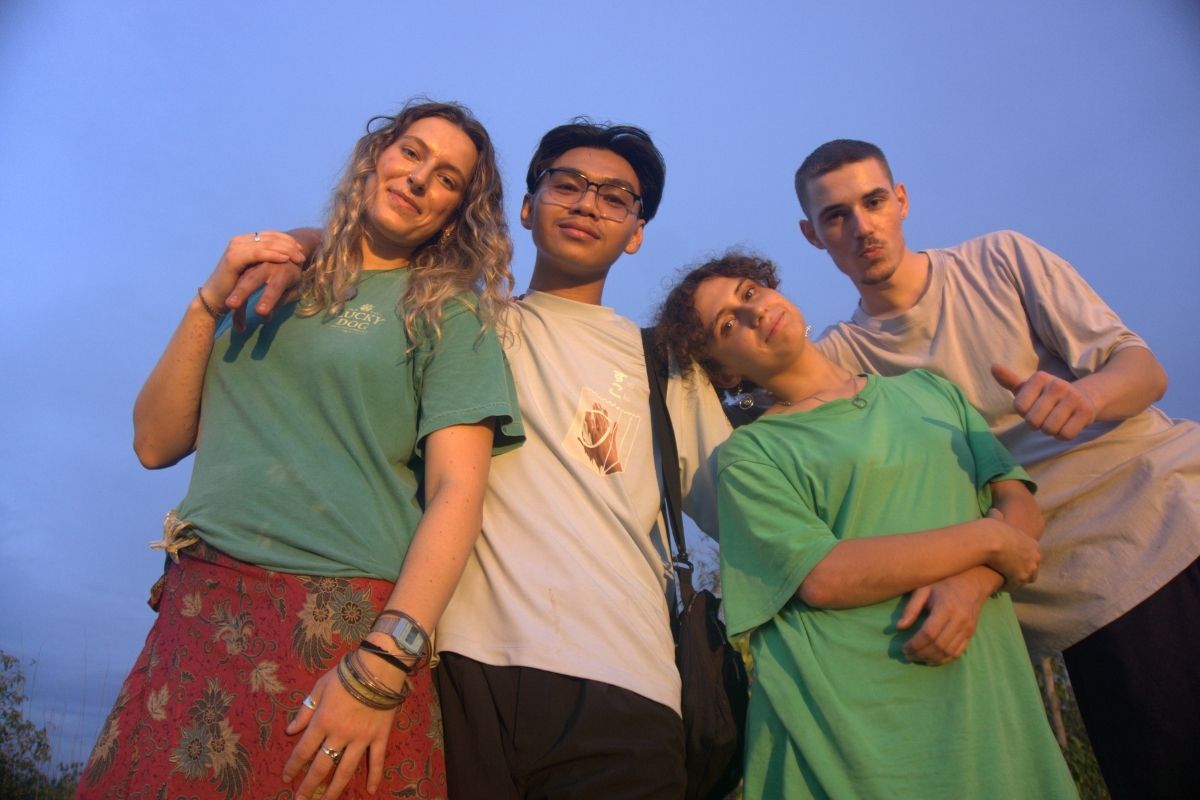
Ever dreamed of exploring the tropical rainforest while gaining hands-on experience in conservation?
Our field courses offer a unique opportunity to immerse yourself in Borneo’s incredible peat-swamp rainforests. Over three weeks, you’ll work alongside local and international scientists and experienced field teams, discovering extraordinary wildlife – from iconic orangutans and gibbons to striking hornbills and remarkable reptiles – while learning what it takes to protect and restore these globally important ecosystems.
More than just an adventure, our field courses offer a chance to get involved in real conservation projects, learn from experts at the forefront of rainforest research, and work alongside local communities shaping the future of Borneo. Whether you’re exploring your interest in ecology or considering a future career in conservation, you’ll gain practical skills, valuable insights and memories to last a lifetime.
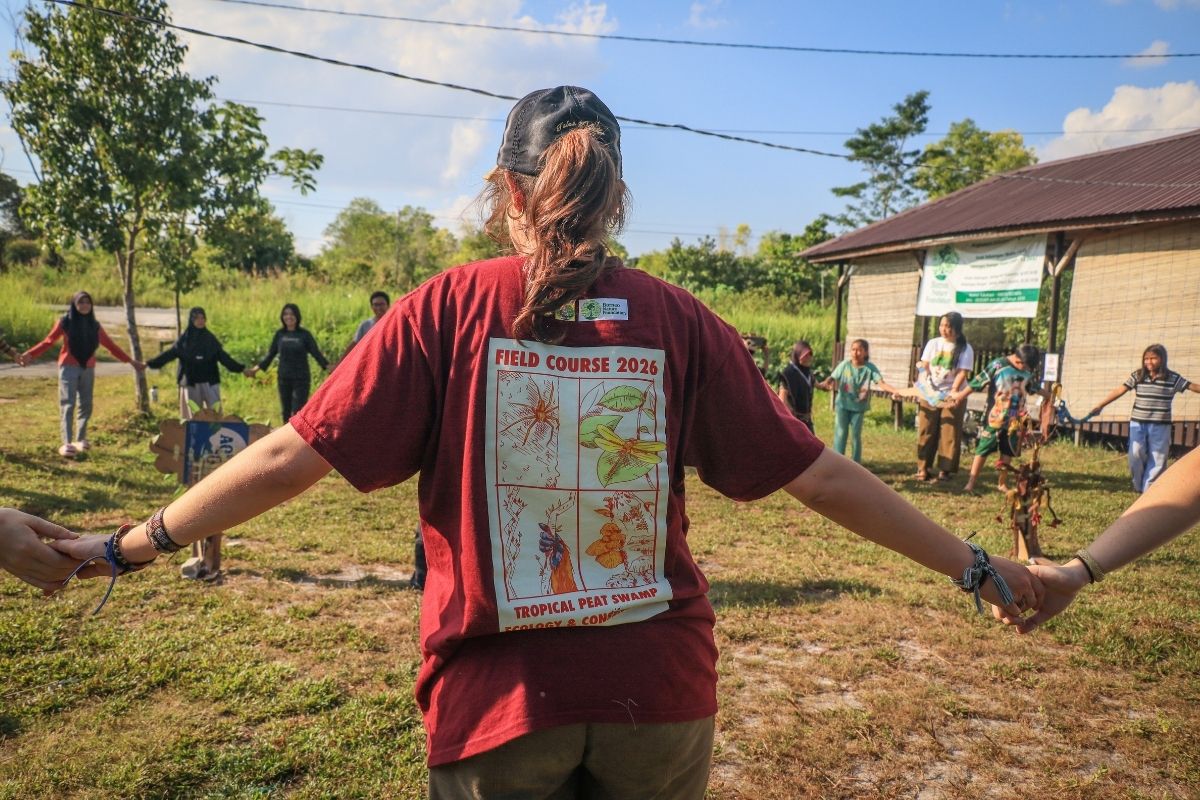
But don’t just take our word for it – here’s what previous years’ participants have to say:
I have learned an unbelievable amount about conservation as well as myself in such a short time.
There wasn’t one thing in the field course I didn’t enjoy. However, a few things that stood out to me were gibbon triangulation and the gibbon follows. I have always had an interest in primatology but having the opportunity to see these primates in the wild has really cemented my desire to work with them in the future. Gibbon triangulation wasn’t something I knew lots about, but it was one of my favourite activities because I enjoy working things out. It was also super interesting as it allowed us to visualise our data and connect it to the real world rather than just looking at numbers. The field course has allowed me to consider lots of different opportunities I previously hadn’t, such as the possibility of doing a Master’s.
Other things I enjoyed about the field course was getting involved with the local community, as well as having plenty of down time in camp to get to know everyone, including the field staff.
— Mia Flinders (2026), University of Exeter
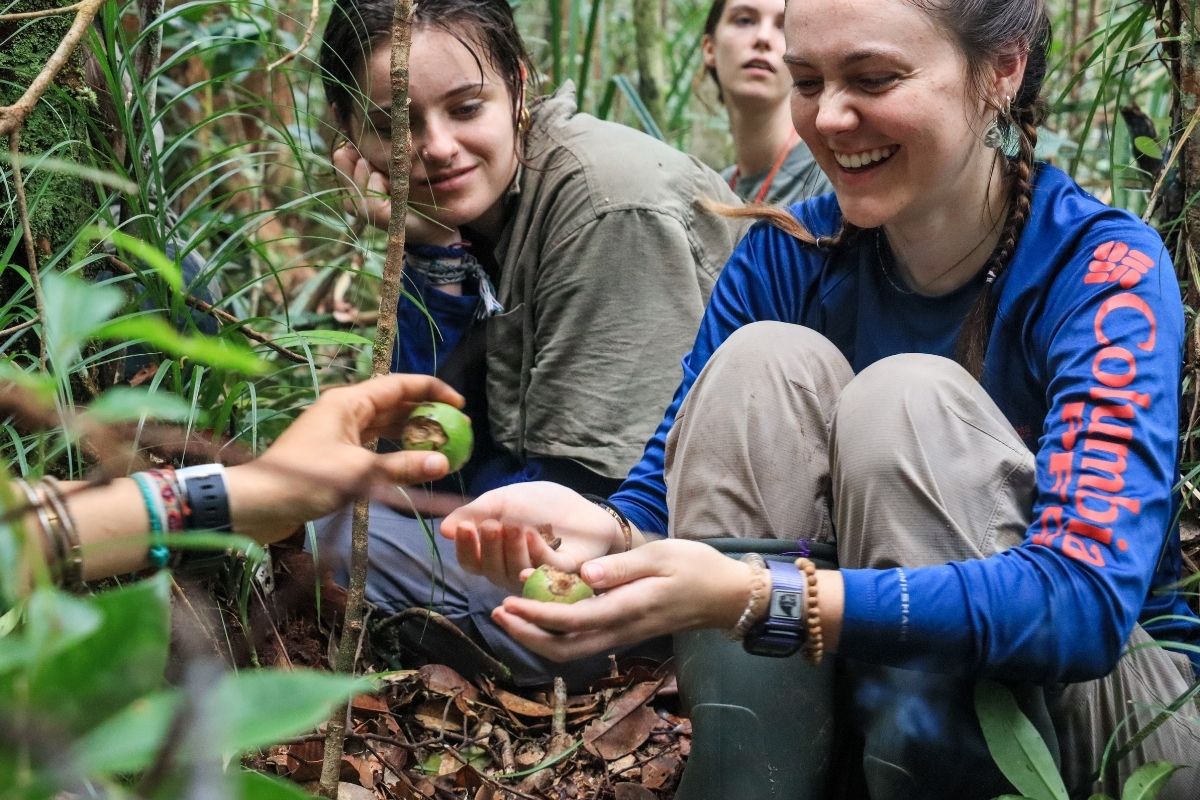
I would definitely recommend this field course to other students with similar academic backgrounds. It gave me hands-on experience that we don’t usually get in the classroom, from observing wildlife directly to learning practical skills like teamwork and project design. The staff were very supportive, and the balance between rest and field activities made the experience enjoyable, not just tiring. This course is a great opportunity to learn and grow.
— Destri Maria Putri (2026), University of Palangka Raya
I enjoyed literally all of it. The people that I met, whether local or international, were so incredibly nice and supportive, it made the stay incredible. The days spent in the forest were so informative, learning from the field staff and getting insider knowledge and advice. Seeing wildlife was surreal. All the lectures were amazing and delivered in a comprehensive way. Altogether, they showed me how much more there is out there and the endless possibilities that I can peruse in the future.
— Luna Horgan (2026), Royal Veterinary College London
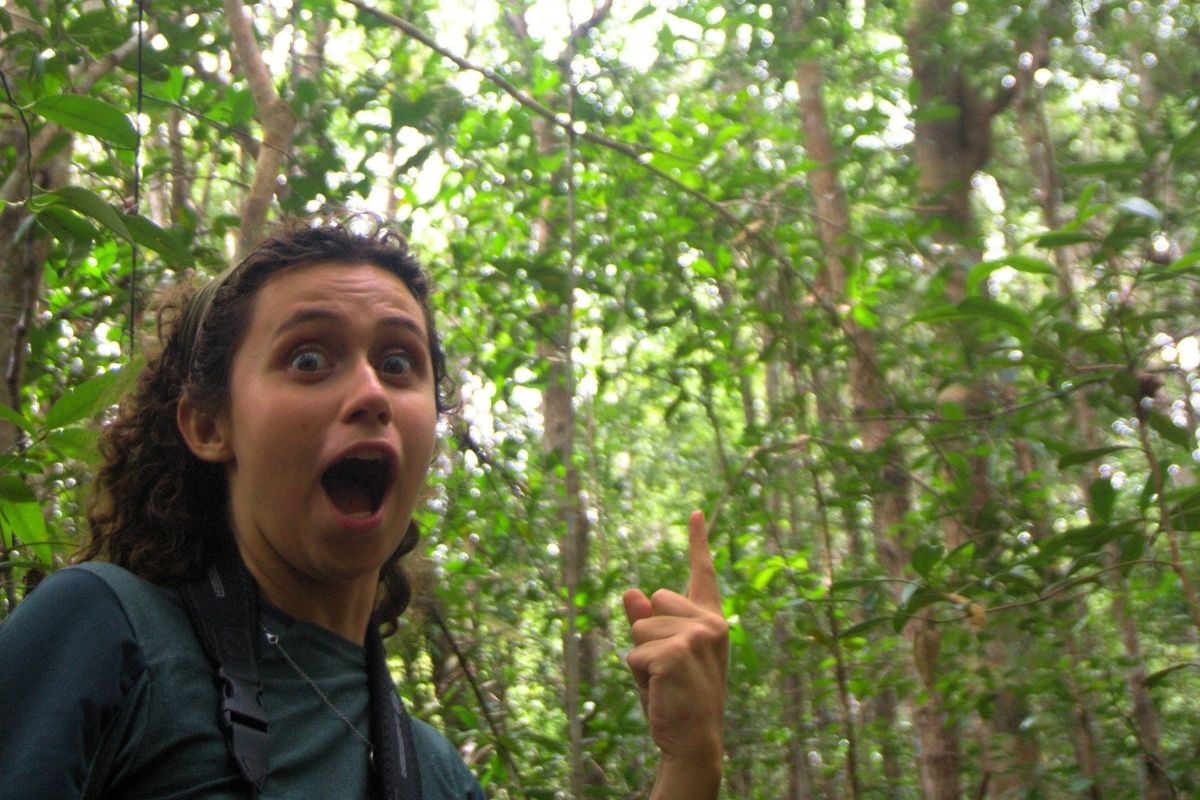
I really enjoyed the days we spent in the field and working with the field staff, everyone was so knowledgeable and kind. I will never forget walking through the peat never quite sure what your next step would be like!
— Zeta Zepou (2026), Wageningen University (alumni)
Beyond the incredible moments, wandering through the Borneo peat swamp, being visited in camp by an orangutan, waking up to the call of gibbons and even spotting a clouded leopard at night, I learned more in those 3 weeks than I ever expected.
The hands-on experience was invaluable. Working alongside people like Jorian and Nam, who have spent years in these landscapes, gave me insight into what this career truly looks like. It was really important to get to know the other side of fieldwork, the importance of funding, long-term planning and the analysis that happens after being buried in the peat and getting bitten by 1000 mosquitoes. It really opened my eyes to the full picture of conservation work and confirmed that this is the professional path I want to pursue.
I deeply appreciated how local knowledge was woven into every aspect of the course. From conversations with local staff who enter the forest almost daily, to films and discussions about the role communities play in conservation, I gained a much richer understanding of both ecology and culture.
Most of all, I’m grateful for the people I shared it with, just as passionate and curious about wildlife as me, but from incredibly different backgrounds. Even with language barriers, I felt a strong connection to all of them. I’ll always carry those memories and those people with me.
— Carolina Rocha (2025), University of Porto