From the Australian outback to the Amazon basin, wildfires are becoming more frequent and more severe. For the past three years, fires have burned more than twice as much tree cover as they did two decades ago owing to the compounding effects of climate change.
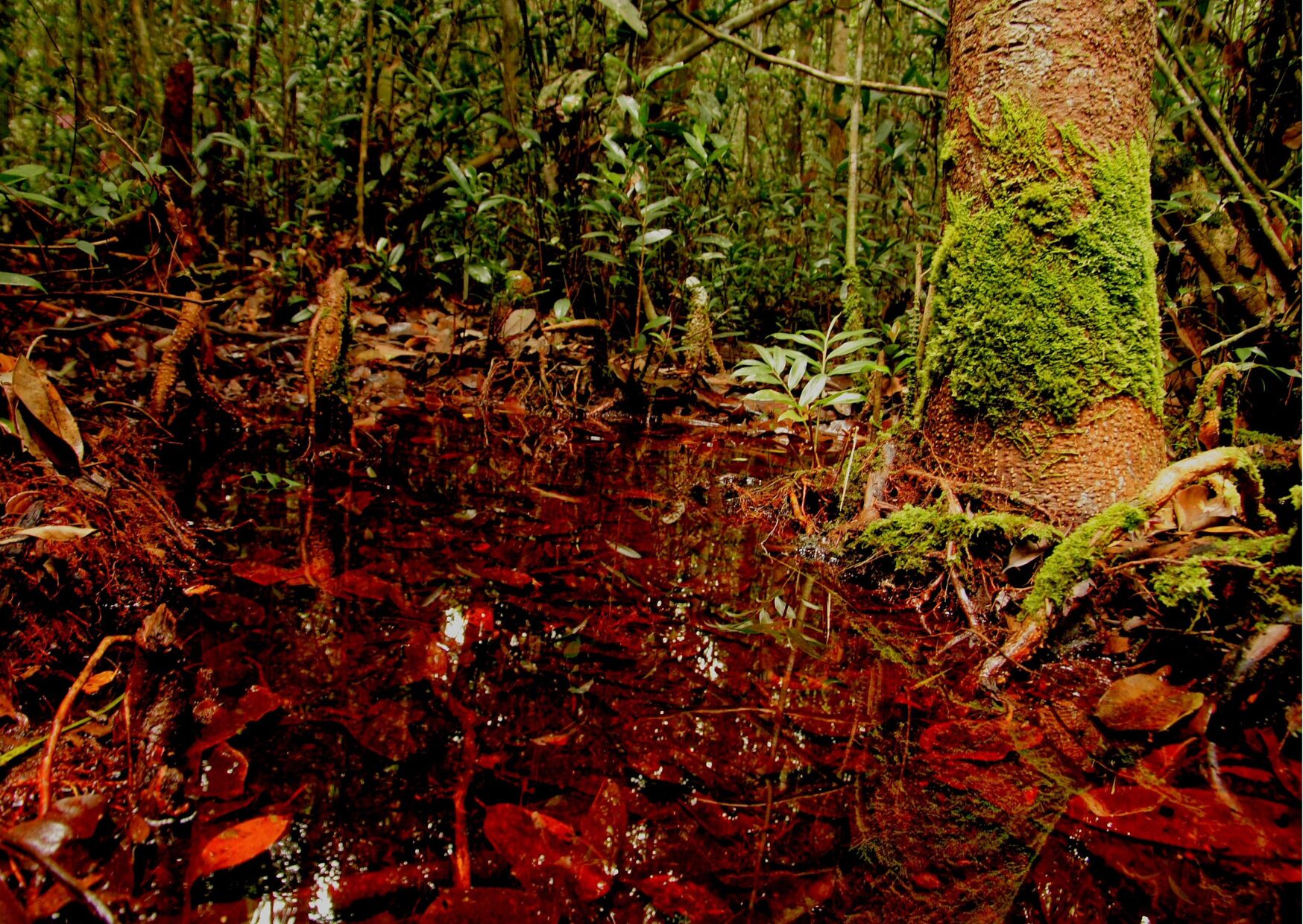
Nowhere are these effects felt more severely than in Borneo’s tropical peat-swamp forests. Peatlands are wetland ecosystems made up of partially decomposed plant material that has accumulated over thousands of years. In these waterlogged environments, carbon that would normally be released during decomposition becomes locked away in the soil, creating vast reserves of terrestrial carbon. Some of the world’s largest tropical peatlands are found in Southeast Asia, where dense swampy forests grow on layers of peat up to 18 meters deep.
Peat + fire = a match made in hell
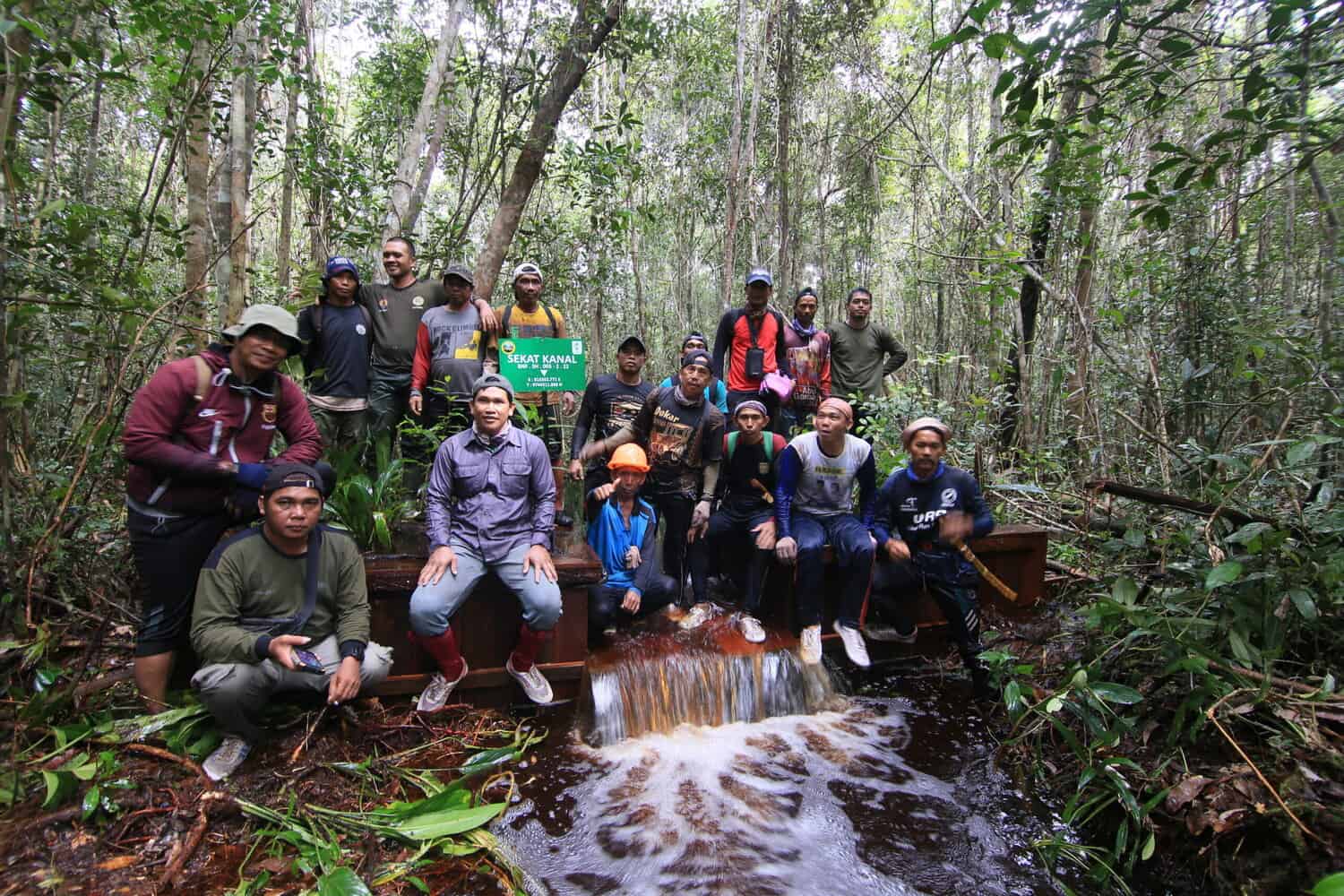
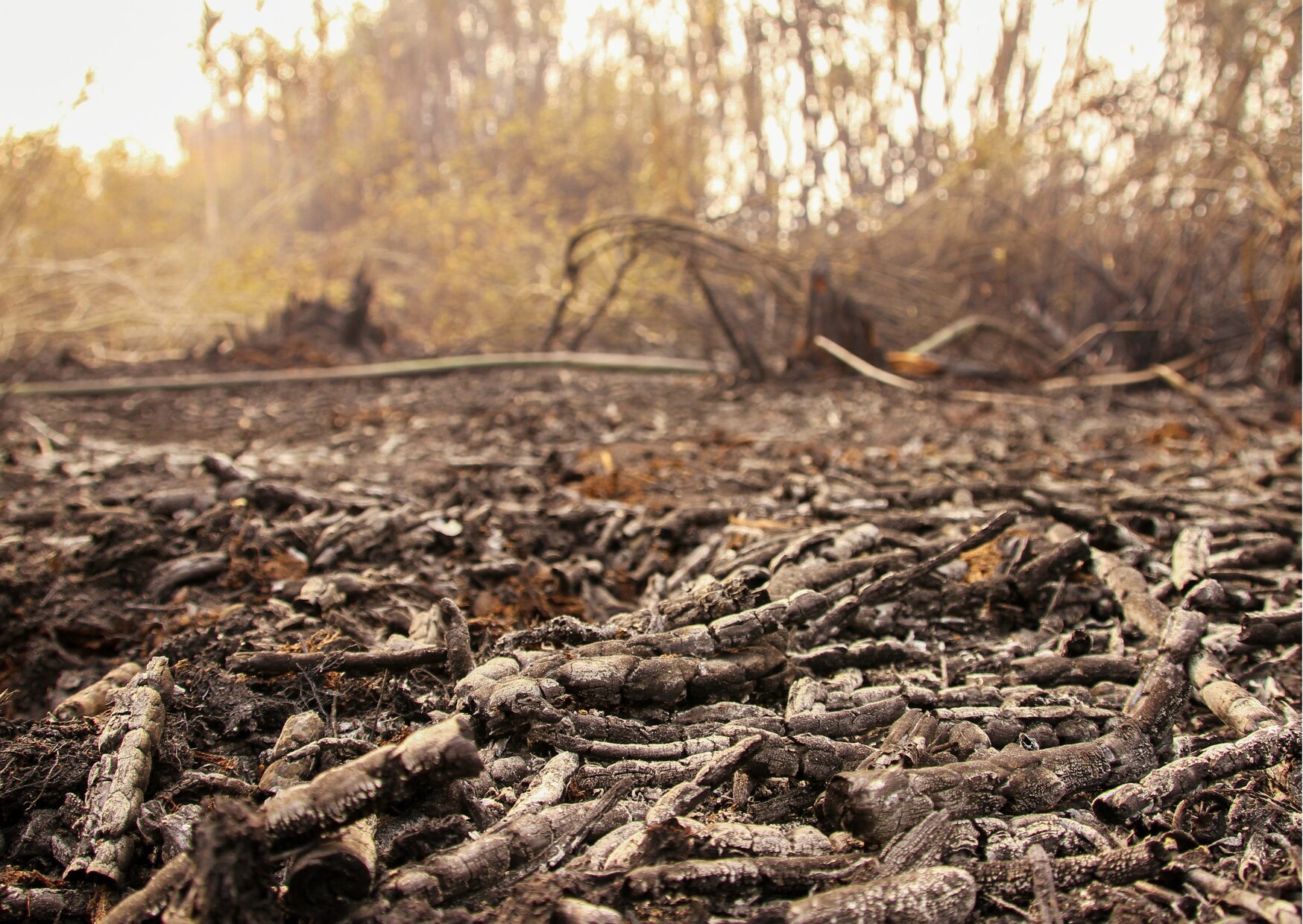
Tropical peat fires typically begin when peatlands are degraded through logging, land clearing, or agricultural development. In the Sebangau peat-swamp forest, illegal loggers dug a vast network of canals branching off from nearby rivers to transport timber during the 1990s. Although logging operations ceased at the turn of the millennium, thousands of miles of canals still remain. Over time, these canals have drained the peat-swamp forest, leaching water into the rivers, where it eventually washes out to sea. As peat dries, it becomes highly flammable. Once ignited, peat can burn beneath the surface, where flames are often invisible, difficult to detect and even harder to extinguish.
Unlike most wildfires, which primarily consume vegetation above ground and spread rapidly across the landscape, peat fires smoulder slowly through underground peat deposits. These so-called ‘zombie fires’ can persist for weeks or even months, seeming to die down only to re-emerge far from their original ignition point. Because the combustion occurs below the surface, peat fires are extremely difficult to extinguish and may continue burning despite rainfall or firefighting efforts.
Peat fires spell bad news for human health, biodiversity and our global climate
The environmental impacts of tropical peat fires are severe. Smouldering peat releases dense smoke containing fine particulate matter and toxic gases, creating hazardous smog that can spread across entire regions. This air pollution poses serious risks to human health, contributing to respiratory and cardiovascular illnesses, and reducing visibility. During major fire events, the resulting haze can disrupt transportation, economic activity, and daily life for millions of people.
Nor are humans the only ones feeling these effects: wildlife suffers too. In 2015, when the last major wildfires took place across Borneo, comparison of fire hotspot and IUCN orangutan distribution data indicated that around 30% of hotspots occurred within the orangutans’ distribution range, much of which overlaps with peatlands. Peat fires threaten protected and unprotected areas alike, including the Sebangau National Park, which is home to the largest unfragmented population of Critically Endangered orangutans anywhere on Earth. The 2015 fires destroyed around 10% of Sebangau’s total forest area, resulting in widespread habitat loss, displacement, and compromised food availability and ability to forage.
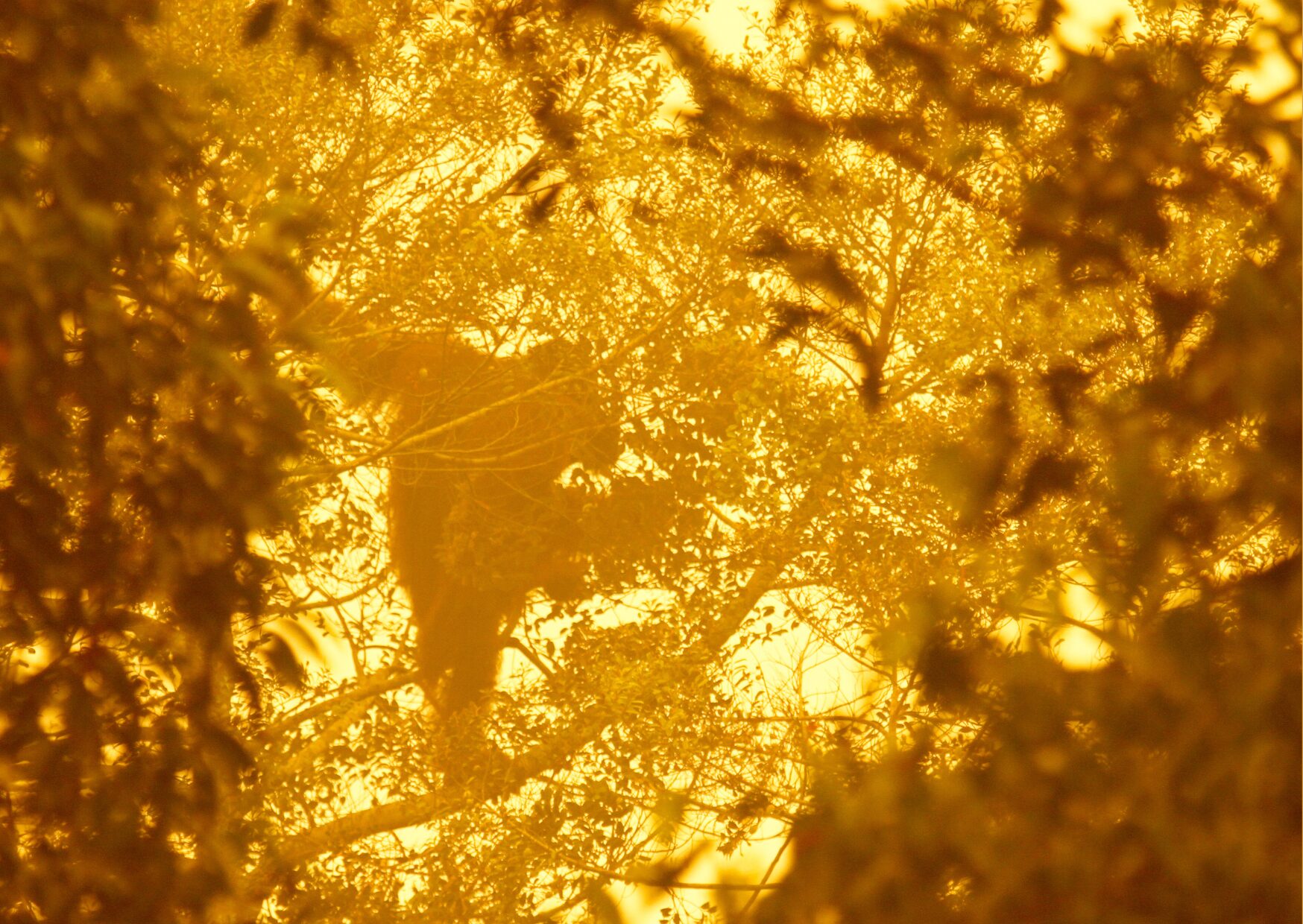
Animals are also vulnerable to the effects of smoke inhalation. Several studies have observed significant changes in orangutan behaviour following major fire events. For example, in the aftermath of the 2015 fires, orangutans rested more, travelled less, and consumed more calories than usual – yet urine tests showed that they were still burning stored fat, suggesting increased energy use. The orangutans also called less often and their vocalisations became lower-pitched and harsher; changes that are associated with inflammation, stress, and illness in many species. Similarly, our research has shown that gibbons reduce their singing activity during periods of fire and heavy smoke, which can make it more difficult for groups to locate one another, particularly when visibility is limited by haze. In this way, peat fires may disrupt species’ social and territorial networks, adding another layer of impact beyond the direct loss of habitat.
Finally, the most far-reaching consequence of peat fires is the release of greenhouse gas emissions. Since peat consists of carbon-rich organic matter accumulated over millennia, its combustion releases vast amounts of carbon dioxide, methane, and other greenhouse gases into the atmosphere. These emissions can exceed those produced by many other types of wildfires and contribute significantly to global climate change; at their height, the 2015 peat fires in Indonesia were producing more carbon emissions per day than the entire U.S. economy. In addition, the destruction of peatlands reduces their future capacity to store carbon, creating a long-term cycle of ecosystem degradation and increased atmospheric carbon levels.
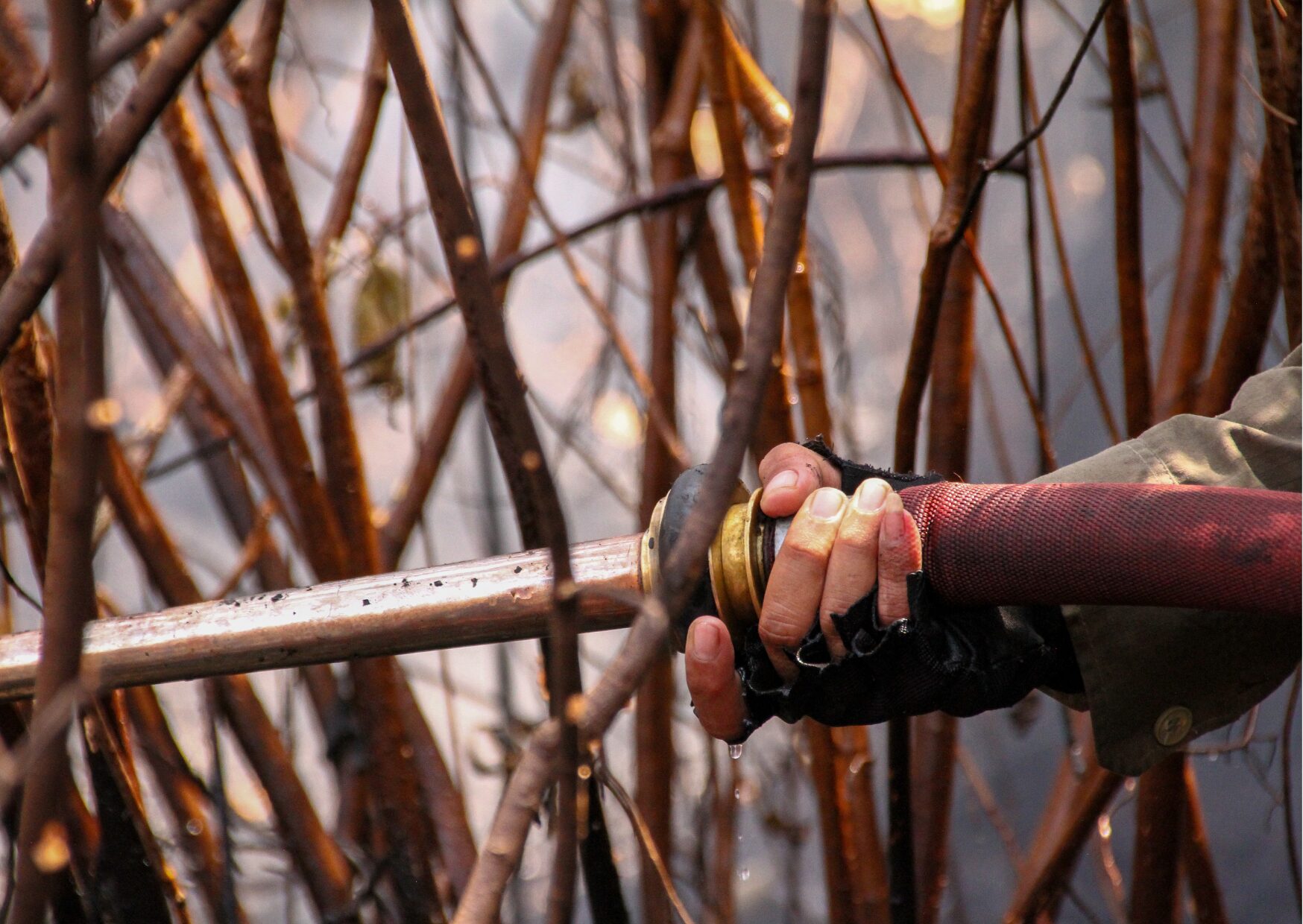
Firefighting for Borneo’s future: A reason for hope
This cycle is hard to break, but it can be broken. The lessons learned from past fire seasons have demonstrated that peat fires are not inevitable. With sustained investment, effective management, and continued collaboration, it is possible to protect these extraordinary ecosystems, safeguard the wildlife that depends on them, and preserve one of the planet’s most important natural carbon stores for future generations.
In our next blog post, we’ll explore the tools and strategies that are helping to turn this hope into reality – so stay tuned for a more action-orientated follow-up!