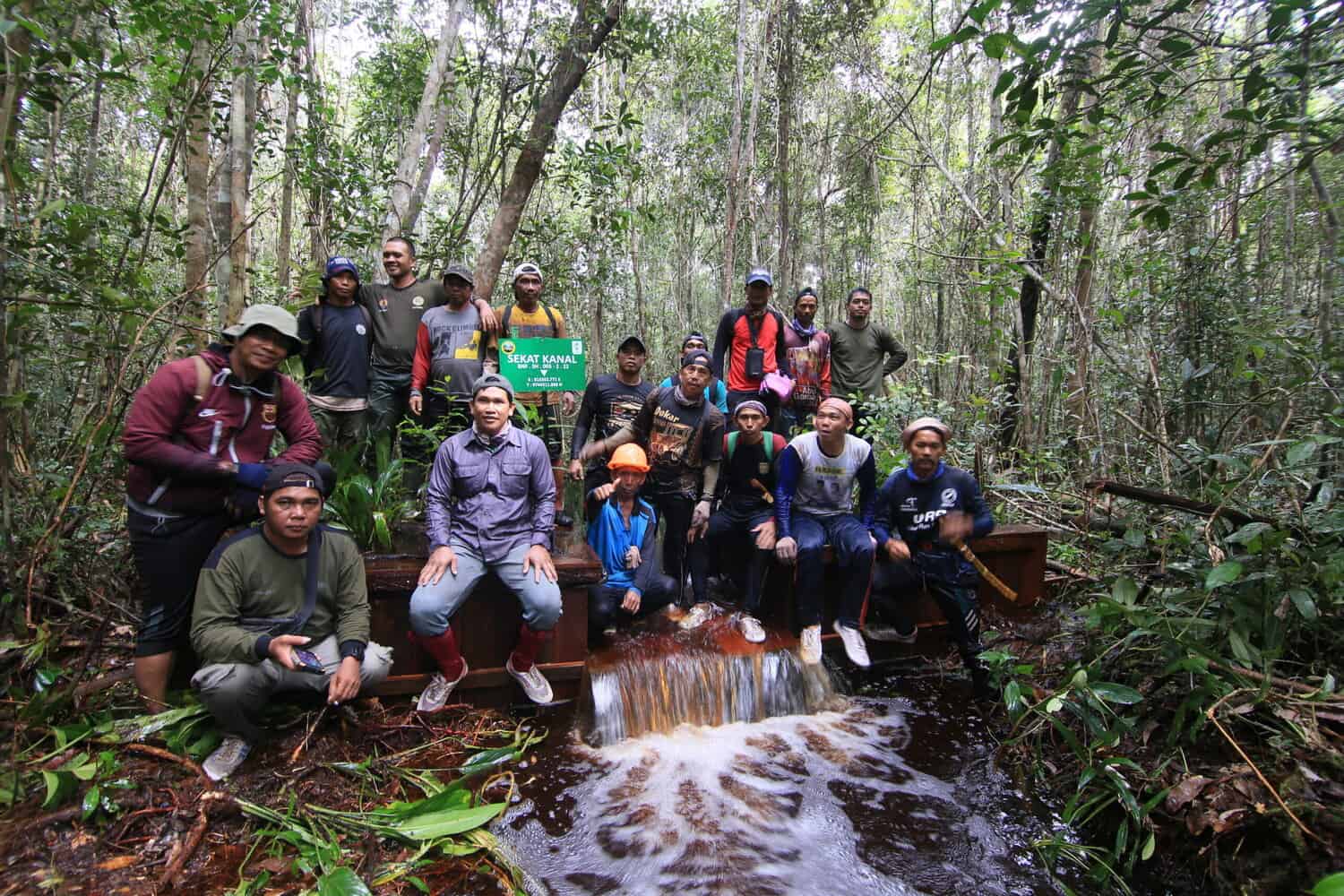
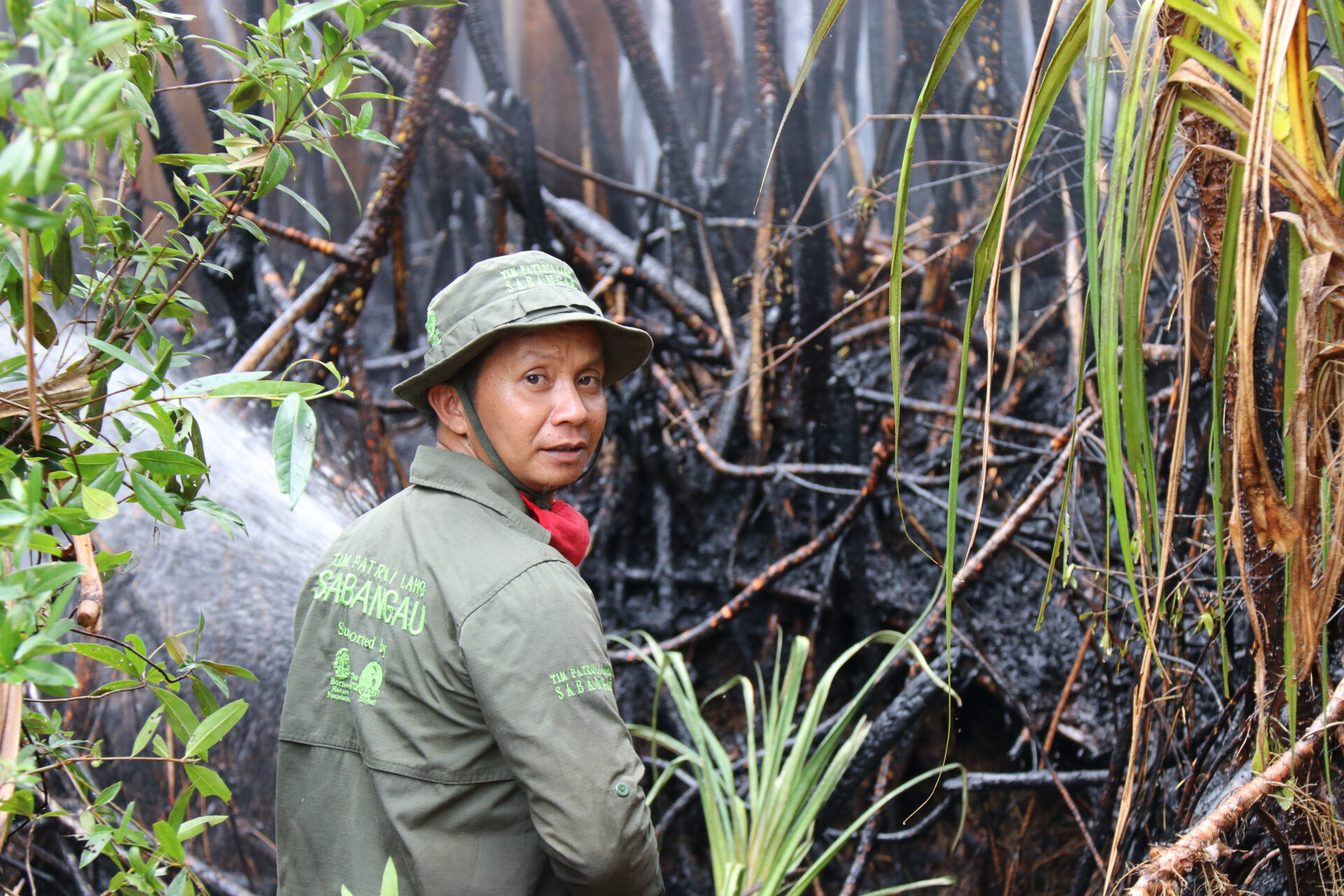
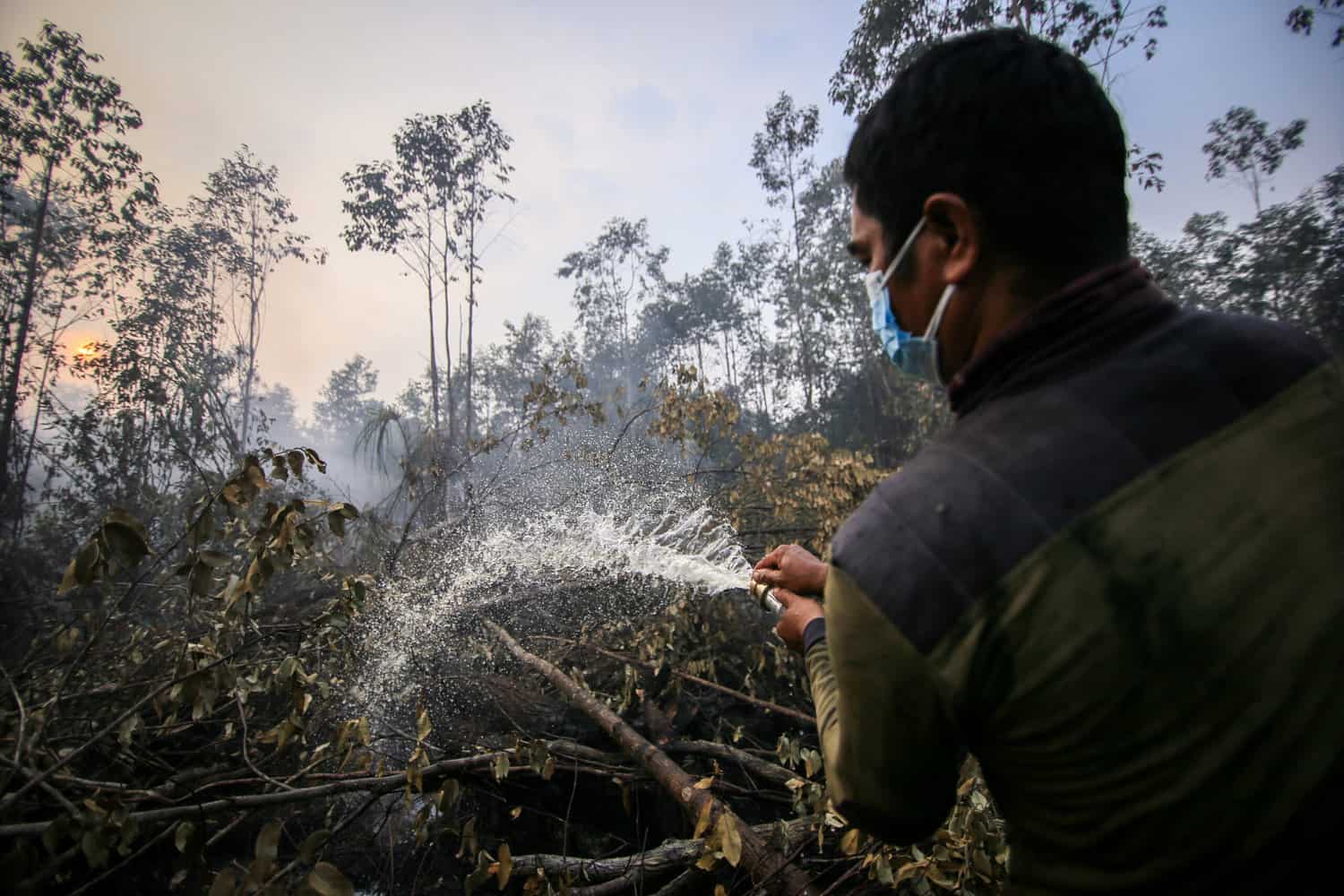
These fires, all wildfires, are intrinsically connected, despite being thousands of miles apart. Wildfires are fuelling climate change, and climate change is fuelling the wildfires that are burning today. It’s a cruel cycle: one we’re dead set on slowing down, not just with direct firefighting but with prevention and habitat restoration too.
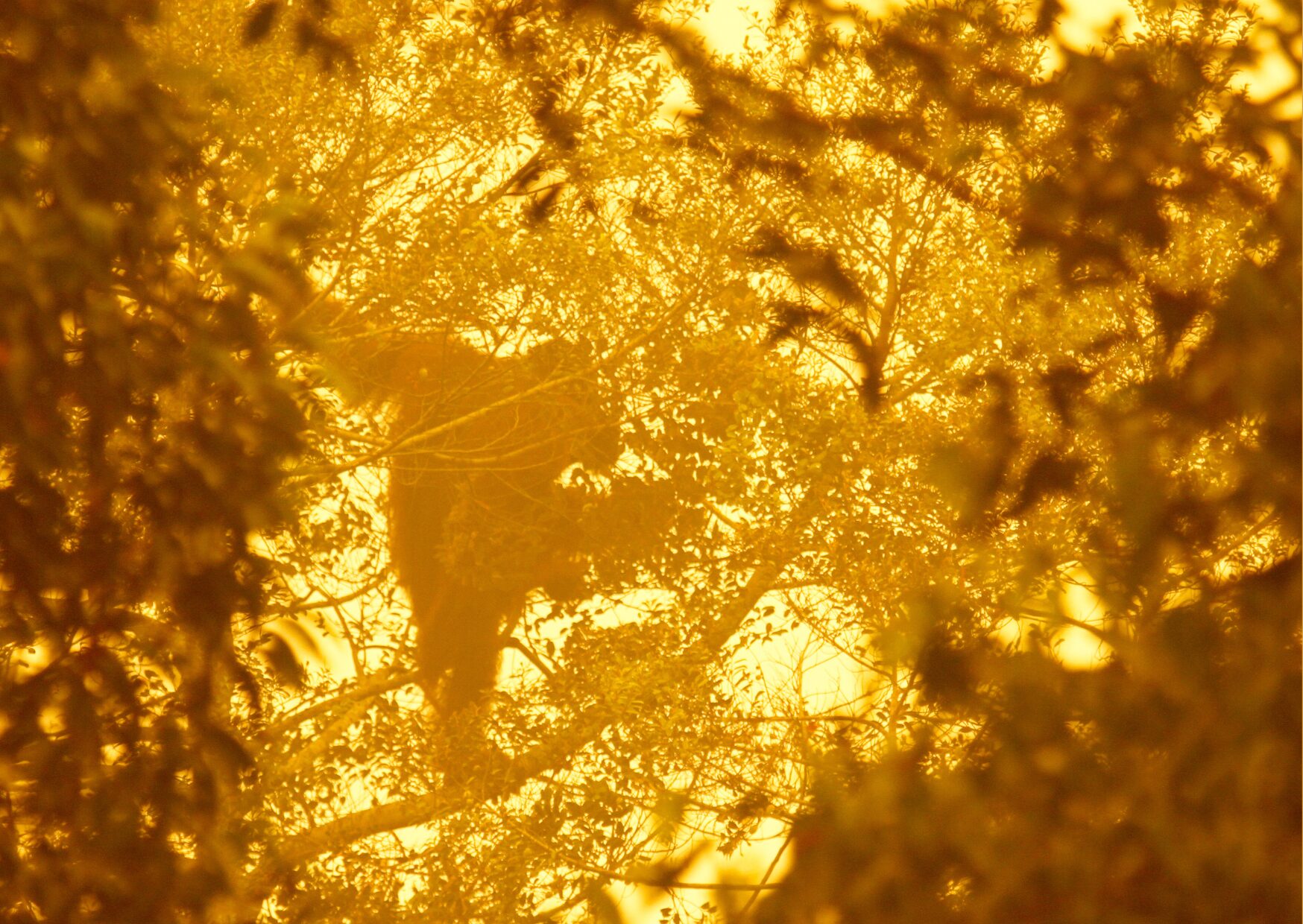
Peat fires emit far more carbon than regular forest fires. In 2015 peat fire emissions in Indonesian exceeded emissions of the entire US economy on select days throughout the season. The 2026 El Niño is expected to be among the most intense ever recorded leading to even more severe fires in Borneo – something we are prepared for as best we can. See our call for emergency fire support here.
We focus our efforts in Borneo for very good reason. Most wildfires are terrible for people, climate and biodiversity, there is often a huge personal and emotional cost too. But when we look at the impact of fires through the lens of carbon emissions, nothing compares to peat fires like we see in Indonesia.
Peat fires emit more carbon than any other wildfire, they are the most important fires for global climate and are the ones we’re facing right now. When we help to tackle peat fires in Borneo we reduce the chances of wildfires across the globe.
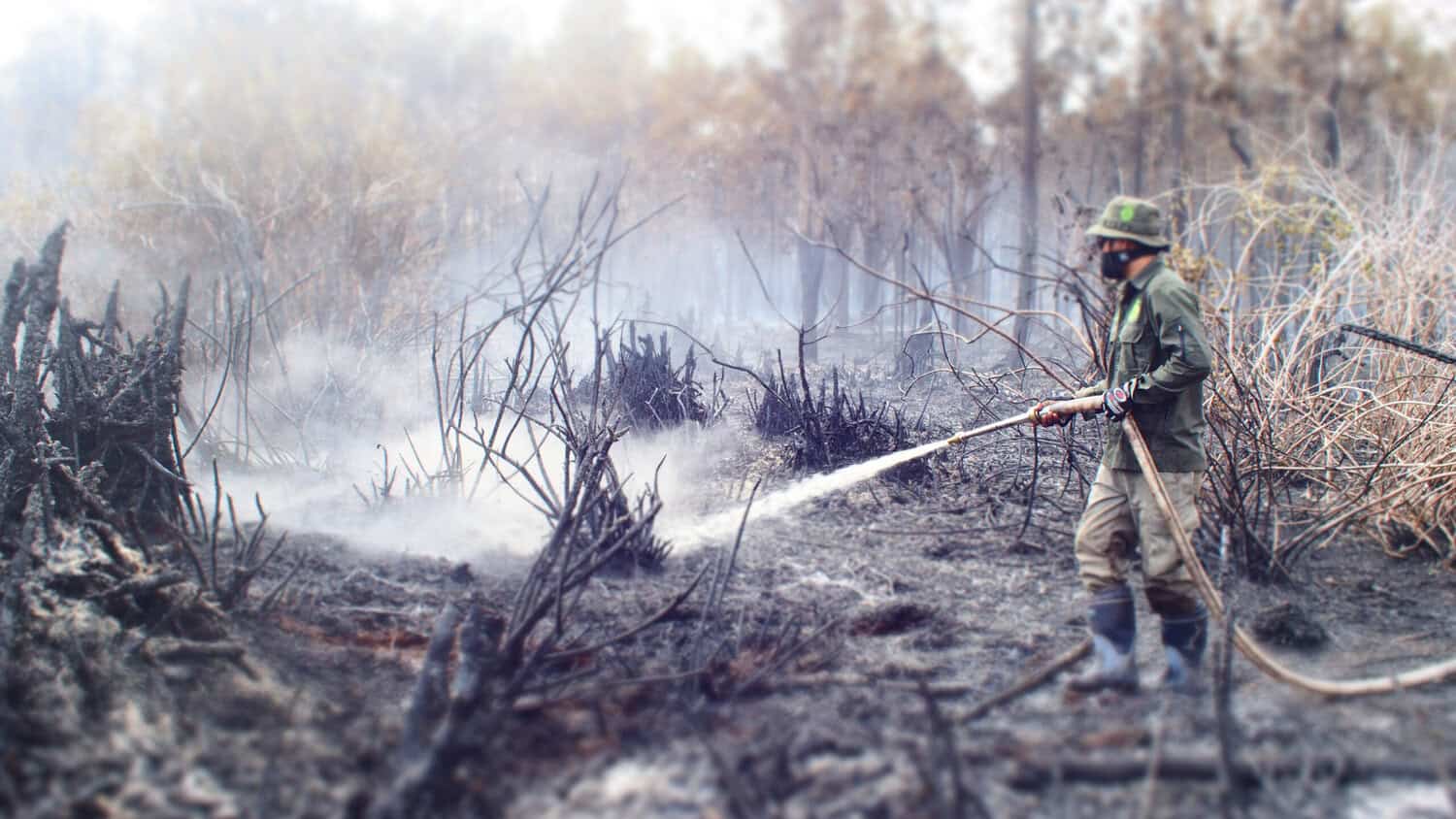
Without urgent action on climate, Southern Europe could see a tenfold increase in fires if global temperatures reach the +2°C threshold. A threshold we will race towards if peat fires aren’t fought.
So join us, prioritise action, funding and awareness around peat fires in Borneo to impact life positively everywhere.
We have 25 years’ experience of restoring ecosystems and direct firefighting. We have the people, technology and insight to fight fires in Borneo, we focus our attention here, the hottest hotspot if you will.
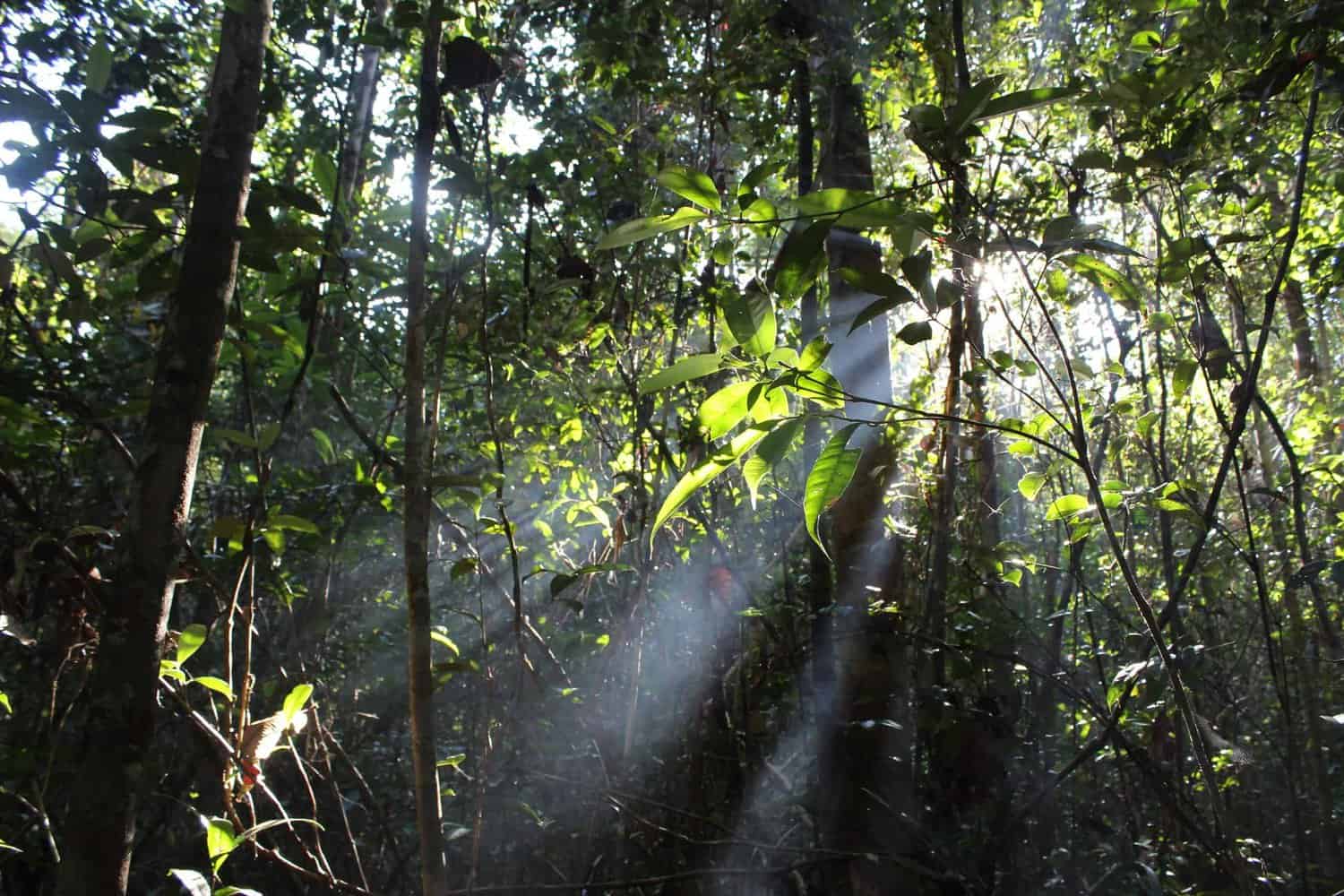
Through our emergency funding call we’re tackling a huge catalyst of global fires, the mother of fires, peat fires. We need people like you, our partners and new supporters to back us increase action now.
References
Abatzoglou, J. T., & Williams, A. P. (2016). Impact of anthropogenic climate change on wildfire across western US forests. Proceedings of the National Academy of Sciences, 113(42), 11770–11775. https://doi.org/DOI:10.1073/pnas.1607171113
El Garroussi, S., Di Giuseppe, F., Barnard, C., & Wetterhall, F. (2024). Europe faces up to tenfold increase in extreme fires in a warming climate. Npj Climate and Atmospheric Science, 7(1), 30. https://doi.org/DOI:10.1038/s41612-024-00575-8
van der Werf, G. R., Randerson, J. T., van Wees, D., Chen, Y., Giglio, L., Hall, J., Vernooij, R., Mu, M., Binte Shahid, S., Barsanti, K. C., Yokelson, R., & Morton, D. C. (2025). Landscape fire emissions from the 5th version of the Global Fire Emissions Database (GFED5). Scientific Data, 12(1), 1870. https://doi.org/DOI:10.1038/s41597-025-06127-w
Xu, J., Morris, P. J., Liu, J., & Holden, J. (2018). PEATMAP: Refining estimates of global peatland distribution based on a meta-analysis. Catena, 160, 134–140. https://doi.org/DOI: 10.1016/j.catena.2017.09.010
Yin, C., Abatzoglou, J. T., Jain, P., Sadegh, M., Flannigan, M. D., & Jones, M. W. (2026). Fire weather waves drive extreme fires globally. Communications Earth & Environment. https://doi.org/DOI:10.1038/s43247-026-03858-5