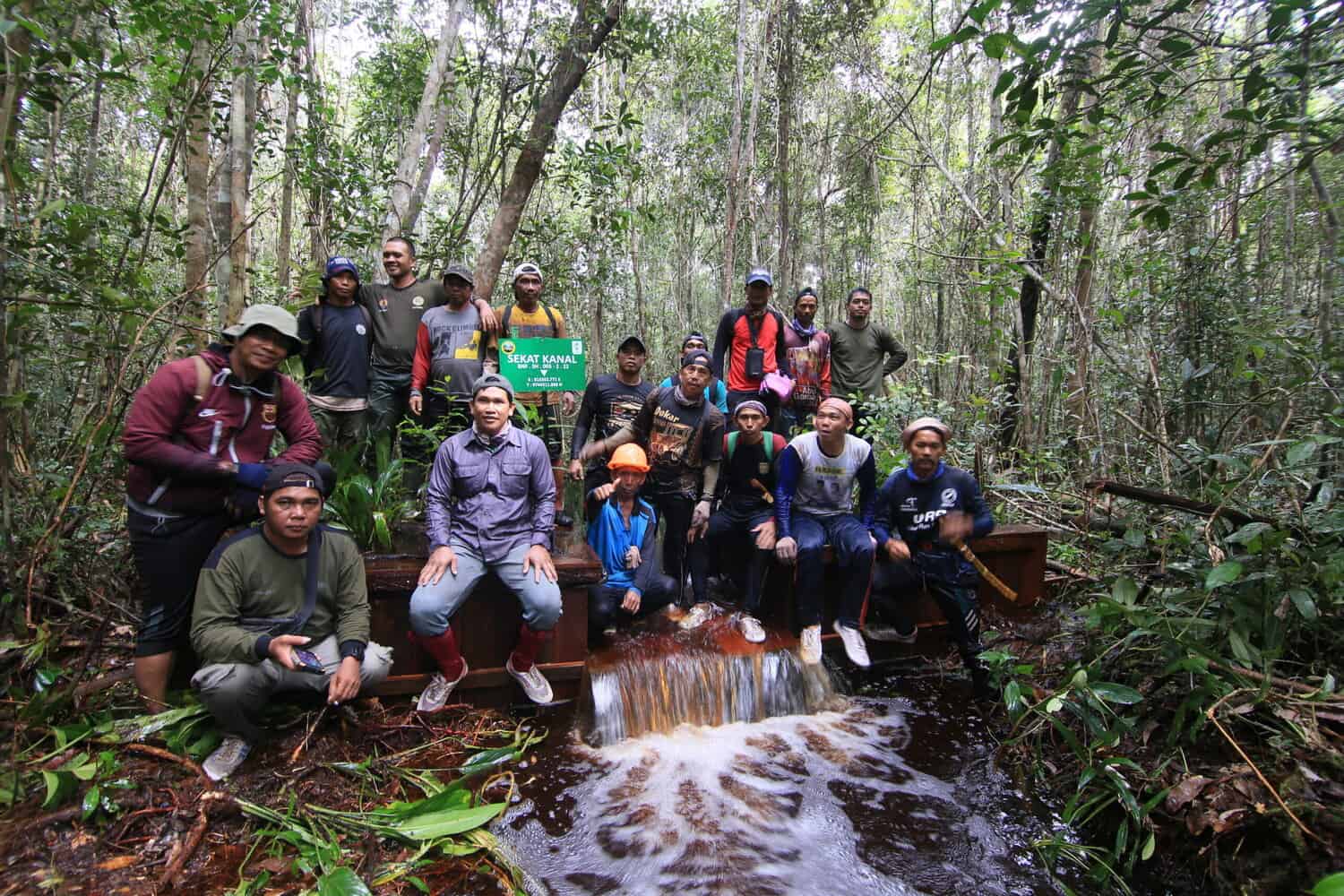
Fire season has officially begun – and so has our response
The first firefighting call-out of this year’s fire season has now taken place.
The fire occurred just outside the northeastern boundary of Sebangau National Park, a vast peat-swamp forest which supports the largest unfragmented population of orangutans anywhere on Earth and one of the largest land stores of carbon too.
The fire was quickly brought under control thanks to the swift, coordinated response of local patrol and firefighting teams working alongside the national forest and land fire agency.
Fire crews remain on site carrying out re-wetting operations, soaking the peat beneath the surface to extinguish hidden hotspots, prevent the fire from spreading, and reduce the risk of reignition. Peat fires are notoriously difficult to tackle because they can continue burning underground long after visible flames have disappeared.
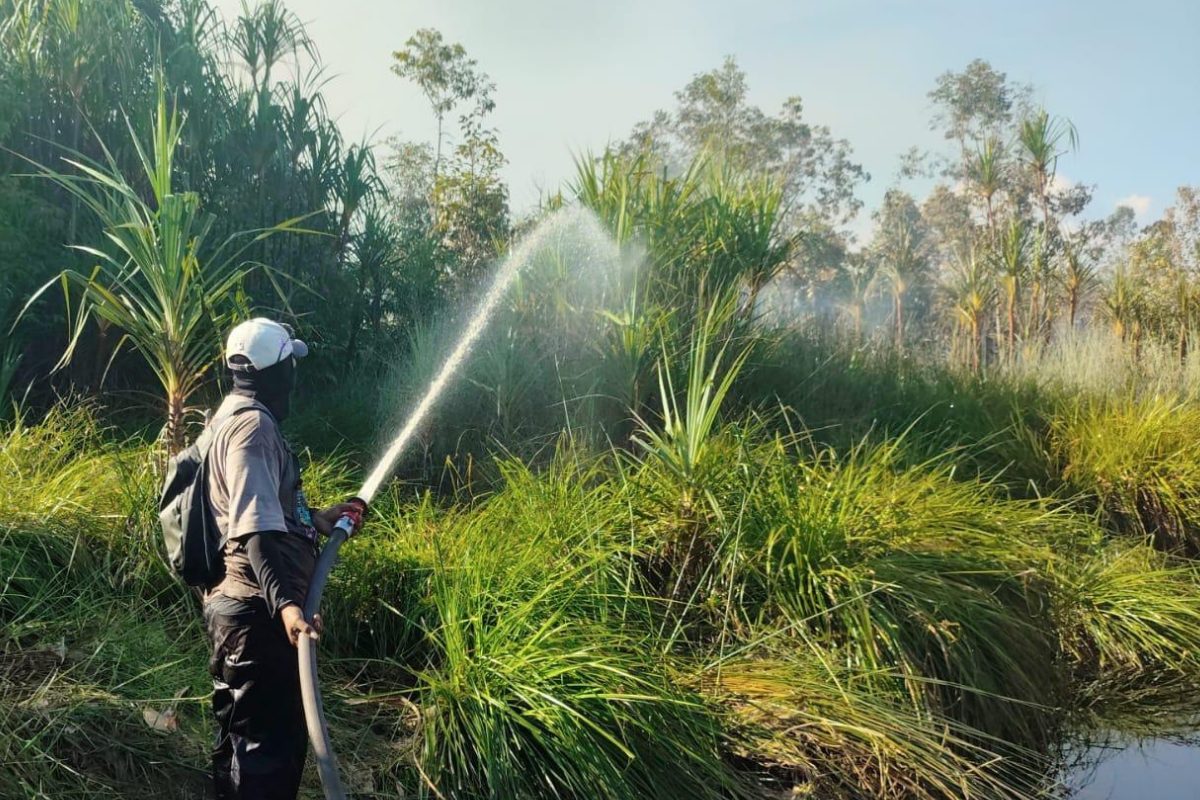
Across the province of Central Kalimantan where we work, fire threat has risen steadily over recent weeks, with most districts now facing moderate to high fire risk. El Niño conditions, which bring hotter, drier weather to Borneo, have been present since early June and are expected to continue well into next year there’s every indication that this will become a “super El Niño” event.
The last super El Niño in 2015 burnt 2.6 million hectares across Indonesia, 10% of Sebangau National Park where we have worked for 25 years was impacted. Wildlife lost habitat, enormous quantities of carbon were released into the atmosphere, and local communities endured months of disruptive haze and smoke pollution.
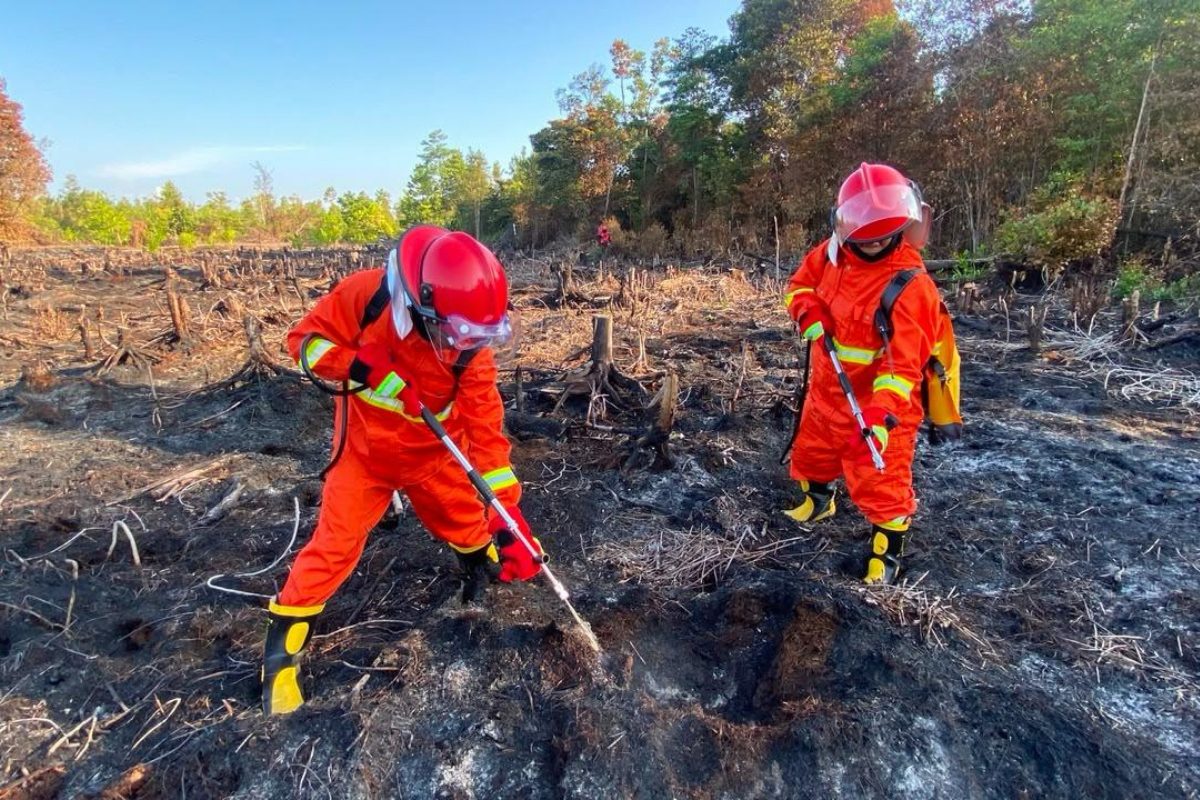
For over a decade, we have built and refined an Integrated Fire Management strategy that combines prevention, preparedness, and rapid response and restoration.
We’re supporting 11 community firefighting and patrol teams: nine protecting the peat-swamp forests of the Sebangau and two safeguarding the heath forests of Rungan to the north. Daily patrols ensure that teams are on the ground throughout the highest-risk period.
We continue to provide firefighting equipment, personal protective equipment and operational support to every partner team. We coordinate the close communication needed between community groups, government agencies and conservation partners, making for rapid responses.
Our capacity has also grown too. Two new members have joined our Integrated Fire Management team this month. One field-based coordinator will work directly alongside community firefighting teams to strengthen operations on the ground, while a second team member will provide technical and operational support from the office, improving planning, coordination and information management across the programme.
We are ready to pivot, to refocus all efforts towards fighting fires, where it really matters with 25 years of conservation impact at risk, people, nature and climate – help us do more.
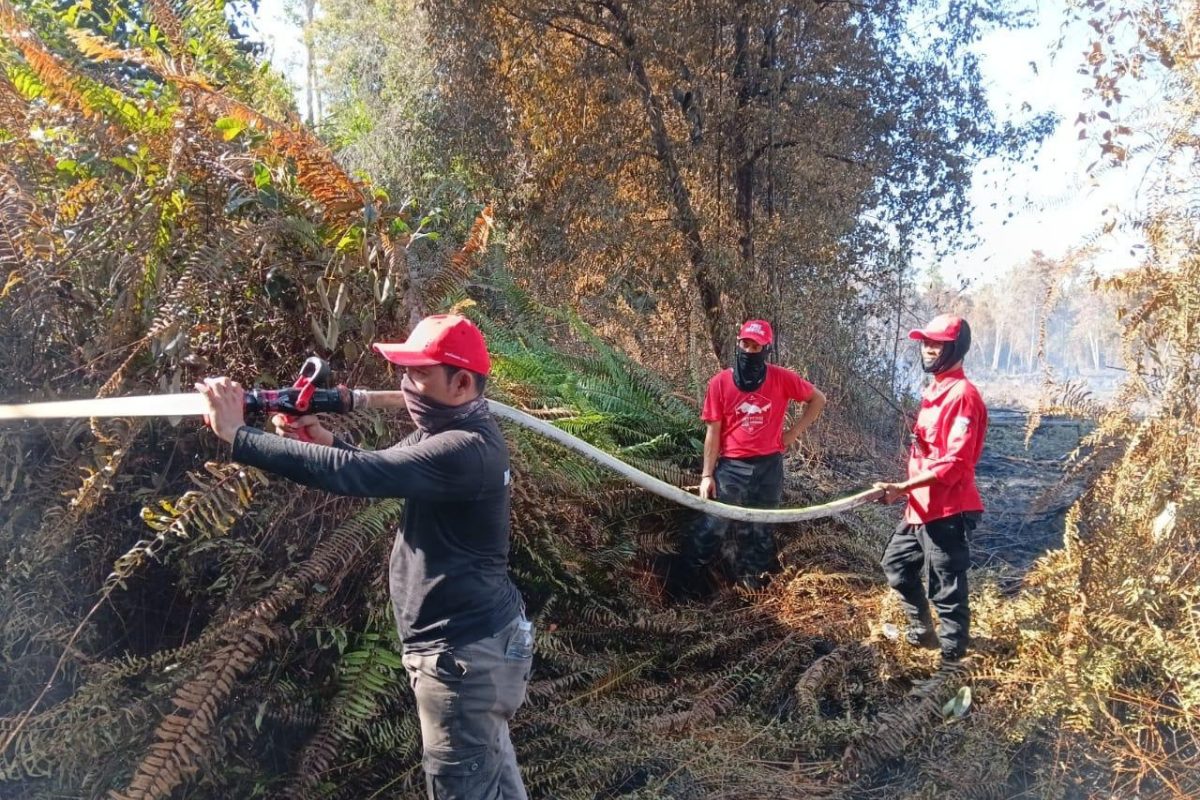
What you can do
Fund firefighting.
We know what works. We have the people, partnerships and experience to protect these forests when fires start but we need more resources to keep our efforts sustained.
The landscapes we protect stretch across hundreds of thousands of hectares. Detecting fires quickly, reaching remote locations and keeping teams equipped throughout the fire season all require significant resources and people in the field.
Your support can make the difference between a small, contained fire and a devastating forest wildfire.
Please supercharge our firefighting, give what you can to help our firefighting teams protect Borneo’s forests, wildlife and communities.