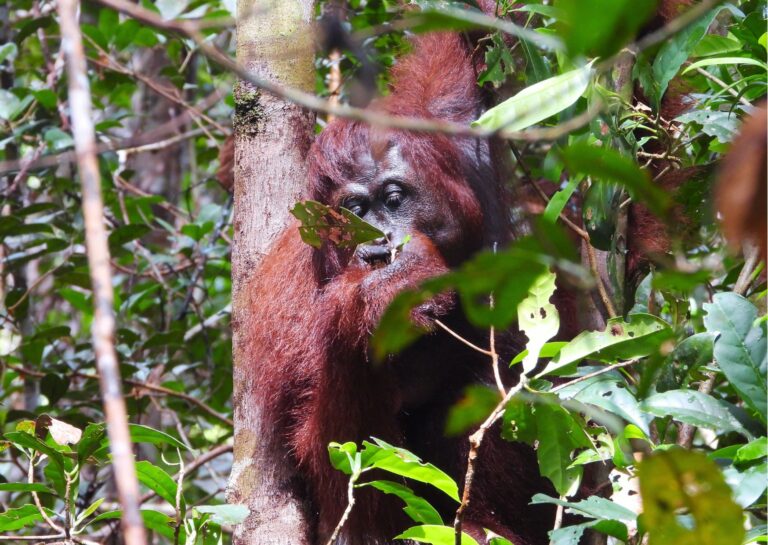
Calling all cat lovers!
Borneo’s orangutans often take centre stage, but did you know that the island is also home an eighth of the world’s wild cat species? Of the 40 species found globally, five inhabit the forests of Borneo – namely, the Borneo bay cat, the Sunda clouded leopard, the Sunda leopard cat, the marbled cat and the flat-headed cat. Unfortunately, all but the Sunda leopard cat are categorised as threatened or near threatened on the IUCN Red List (and the Sunda leopard cat has yet to be evaluated as a distinct species from the mainland leopard cat after the two were split in 2017).
Because they tend to avoid people and occur at low densities, these furtive felines are rarely seen, making them difficult to study. That’s why for well over a decade we’ve been using camera traps to build a fuller understanding of Borneo’s five wild cat species, including how they respond to human disturbance and which habitats are most important to them. This information is vital to developing effective conservation strategies – after all, if we don’t know where these species live or how their populations are changing, how can we hope to protect them?
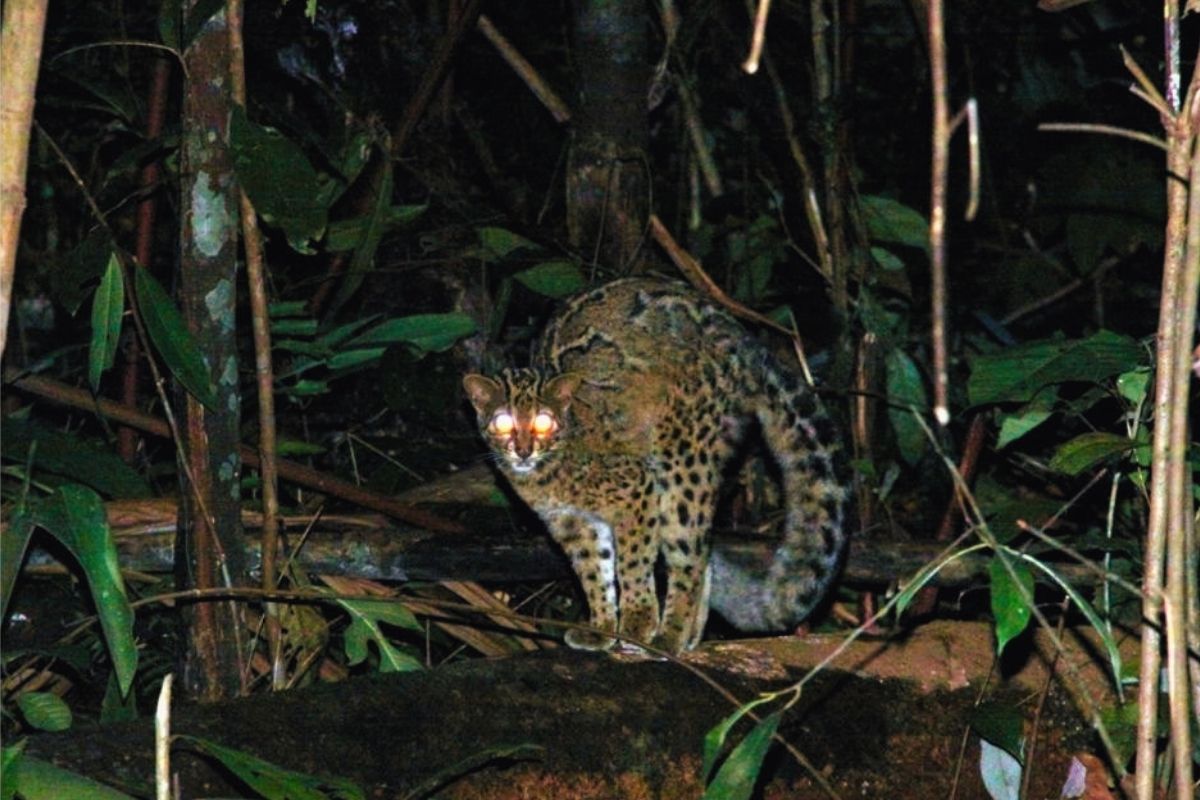
Identifying key strongholds for Borneo’s wild cats
Camera trap data has confirmed the presence of all five species at our field site in the Rungan landscape, and all but one (the Borneo bay cat) in the peat-swamp forests of Sebangau National Park.
Habitat loss and fragmentation are the biggest drivers behind wild cat population declines in Borneo, making these large and relatively intact forests a crucial haven for the island’s wild cat species.
But now, these forests are under threat from fire.
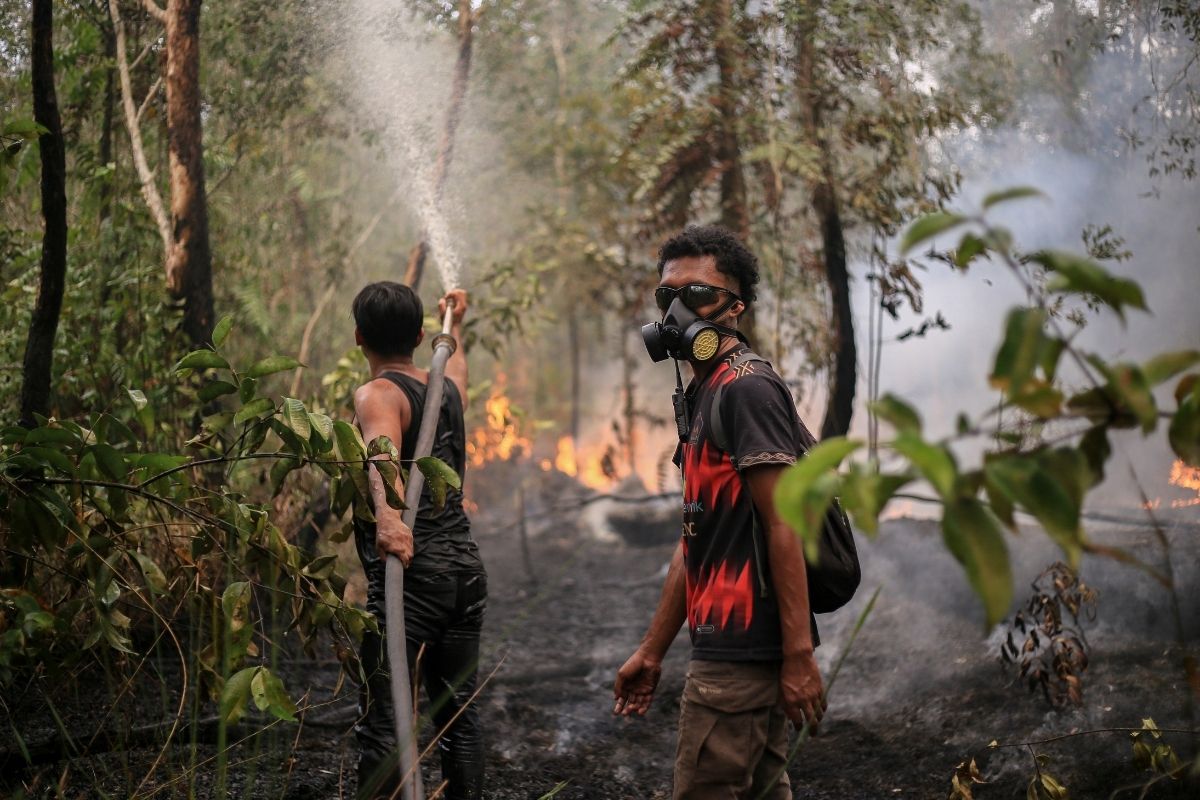
In the face of flames
This year’s fire season has brought an urgent new dimension to the challenges facing Borneo’s wild cats. The annual dry season has coincided with an exceptionally strong El Niño, giving rise to severe drought conditions and fueling one of the most extreme fire crises in Indonesia’s history.
These fires threaten wild cats directly through flames and toxic smoke, but also through habitat loss, forest fragmentation and the depletion of food sources. Our previous research has shown that wildfires restrict the areas where wild cats can roam and reduce prey availability.
For species already living at low densities, the loss of even part of their habitat can have profound consequences.
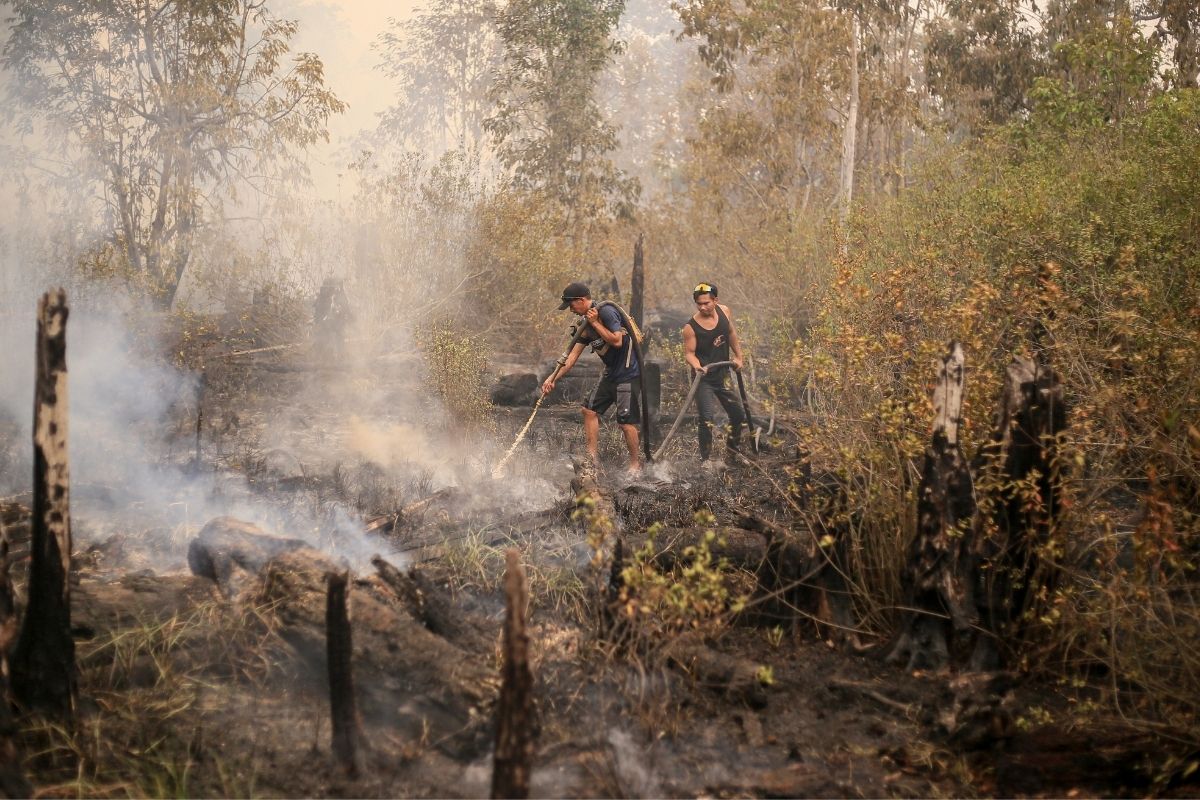
Act now for double the impact
For a limited time, every donation made through our website will be match-funded by Big Cat Rescue, effectively doubling the impact of your gift.
Your support will help fund firefighting efforts, protect vital wild cat habitat and support teams working on the ground to safeguard Borneo’s extraordinary ecosystems.
Give today and your donation will go twice as far for Borneo’s wild cats.