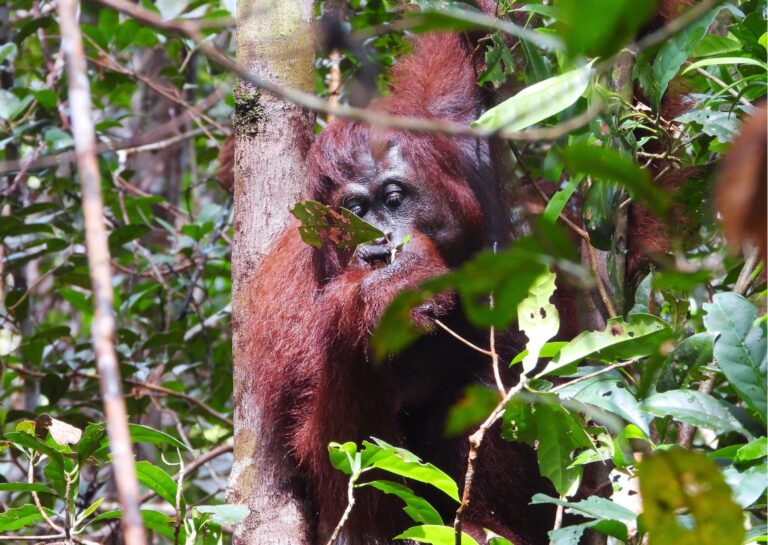
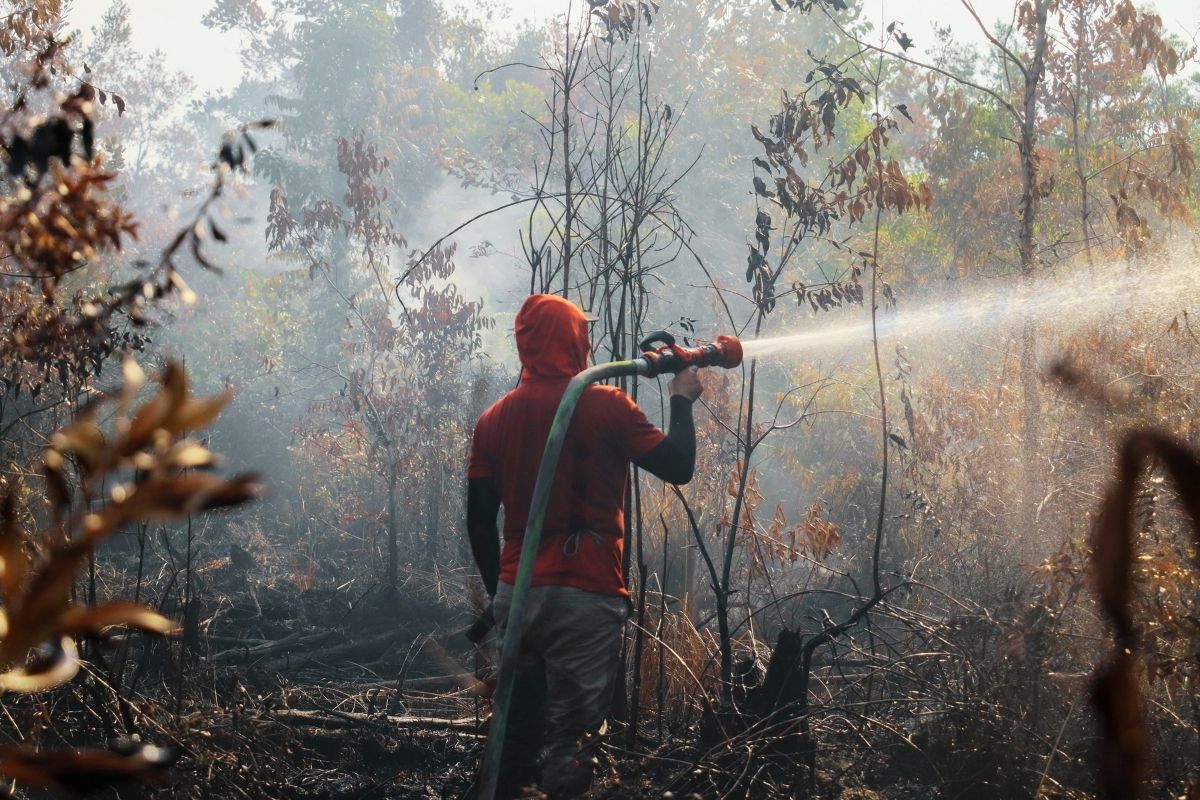
Borneo is battling one of its worst wildfire seasons in over a decade. Fuelled by intense El Niño-driven drought, fires are threatening vast areas of rainforest, including habitats home to more than half of all remaining Bornean orangutans.
When fires sweep through tropical forests, orangutans face more than the immediate threat of flames. Smoke, habitat destruction and long-lasting changes to food supplies can transform almost every aspect of their lives. Even after the fires have passed, orangutans may spend years adapting to a forest that looks very different from the one they knew.
Research on Bornean orangutans from previous fire seasons reveals how these remarkable apes adjust their social relationships, diets and daily routines to survive.
Social behaviour: Keeping their distance
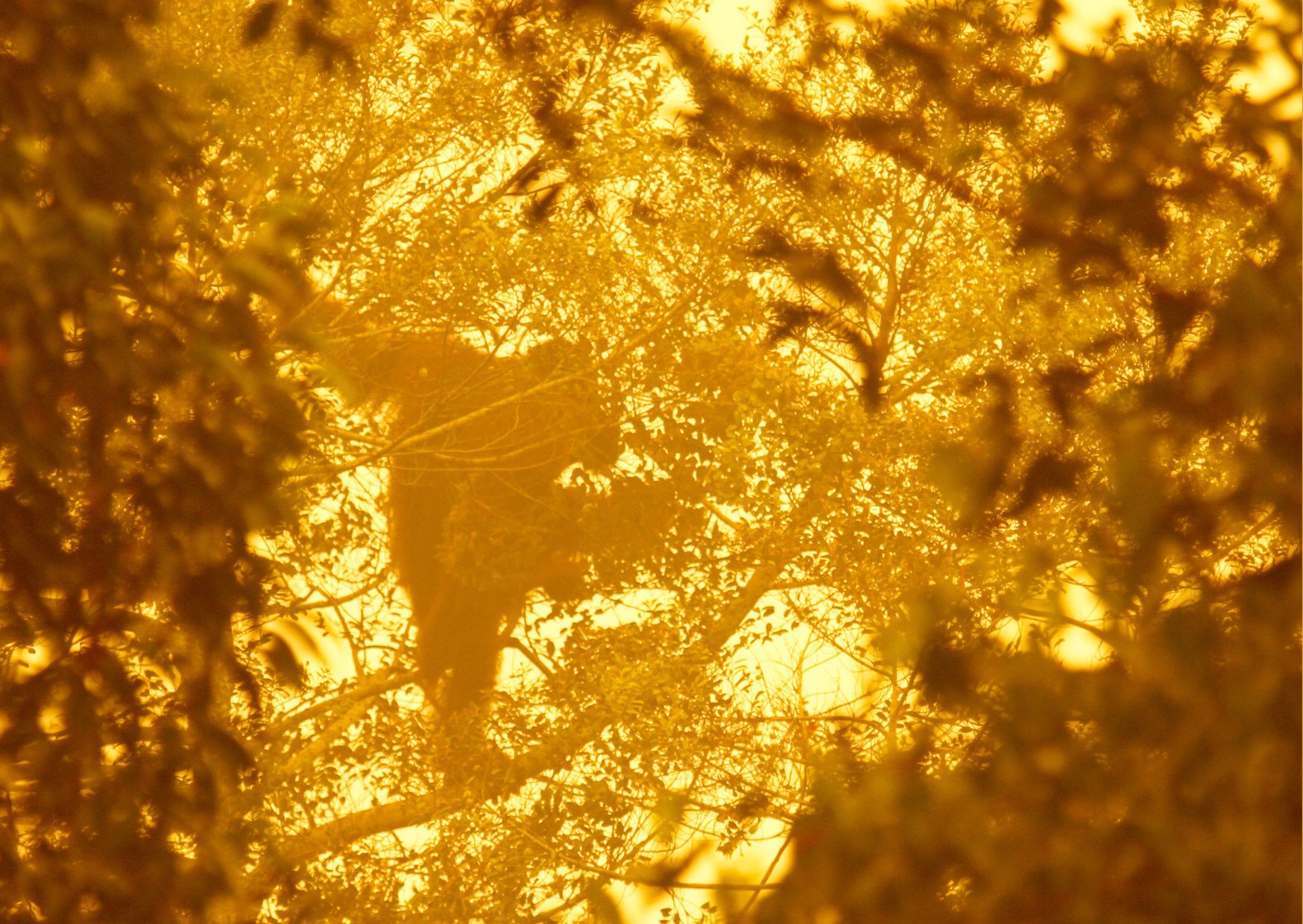
Orangutans are often described as the introverts of the great apes. Unlike many primates, they generally live solitary lives, with adult females maintaining relatively small home ranges and young orangutans staying with their mothers for around eight years.
However, they do occasionally seek out company. Mothers meet with other mothers, allowing their young offspring to play together. These encounters are important learning opportunities: young orangutans develop social skills and learn essential behaviours, from identifying foods to climbing and building sleeping nests.
Forest fires can disrupt these relationships. As habitat disappears, females may be forced into smaller areas alongside more orangutans. Competition for limited food and space can increase tension, with research reporting substantially higher aggression between unrelated females following the 2015 fires.
With higher rates of aggression and lower social tolerance come fewer opportunities for young orangutans to play together. Moreover, researchers observed that mothers were also pushing older offspring away at younger ages than before the fires. Whilst this reduces the strain on mothers and limits competition for food, it may force young orangutans into independence before they’re ready, with adverse effects on long-term survival.
Habitat flexibility: Rainforest refugees
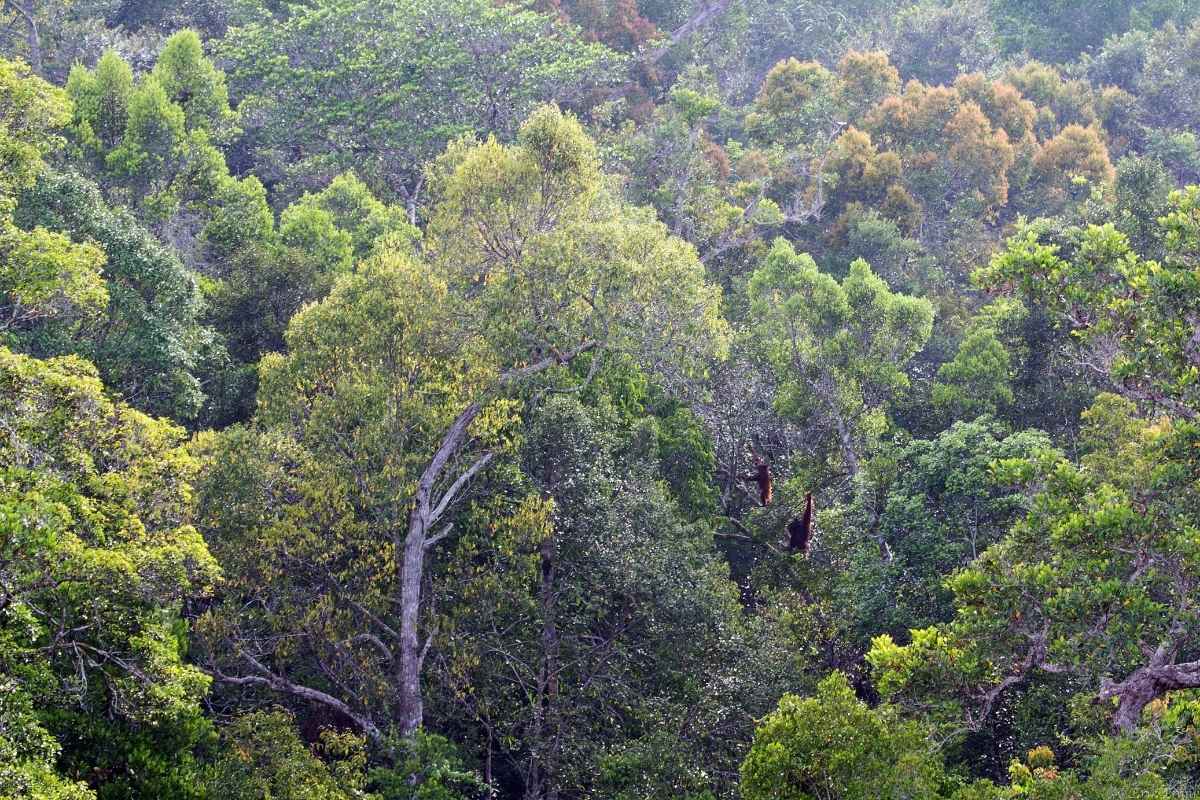
When their home ranges are damaged, orangutans cannot always simply move somewhere else; limited space and competition from other orangutans can make relocating difficult. Whilst males are highly mobile and rarely stay in one place for long, females have clearly defined home ranges that, in the absence of severe degradation or habitat loss, they maintain throughout their adult lives.
In the event of fires, some individuals may be forced into neighbouring territories, while others must adapt to the remaining forest. Research has shown that orangutans can persist in degraded forests, including acacia and palm oil plantations, as part of a wider habitat network. However, plantations cannot replace natural forest, and their value depends on connectivity with other suitable habitats.
Fallback foods: No picky eaters!
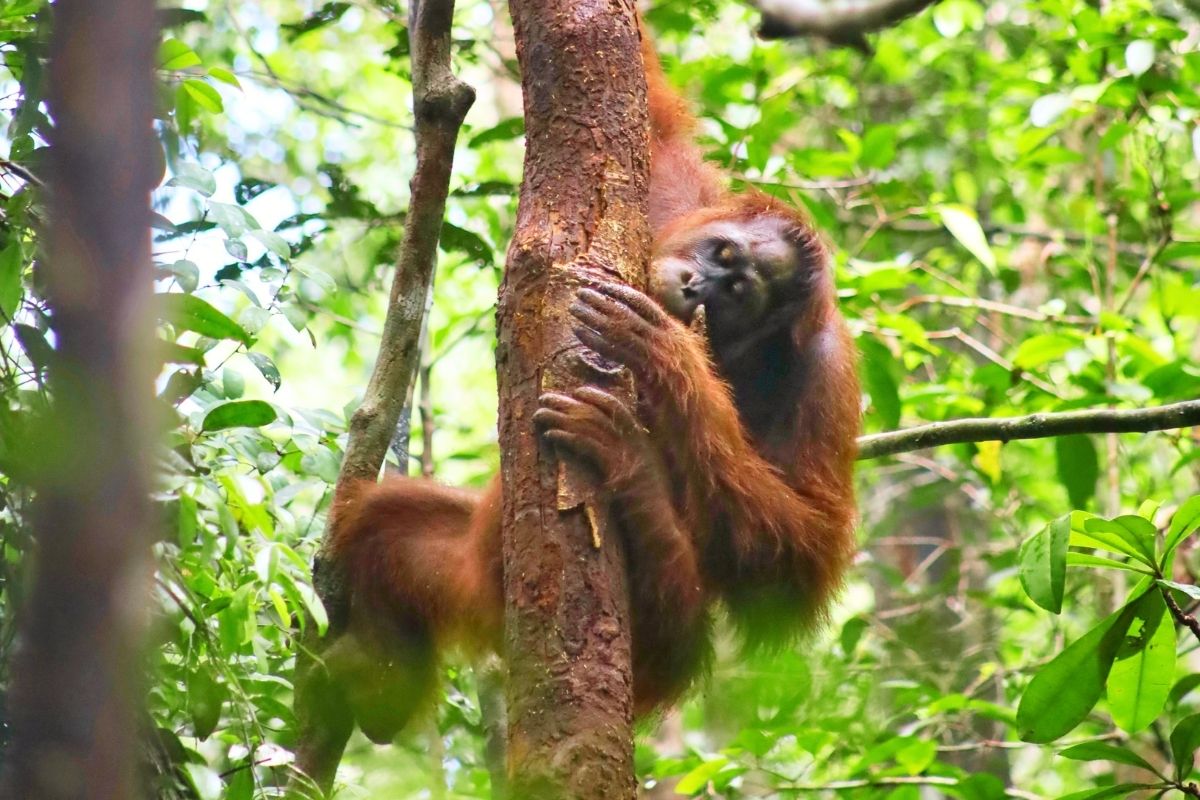
Fires also affect what orangutans can eat. Fruit is their preferred food when available, but smoke and forest damage can reduce fruit production for years. Following the 2015 fires, researchers documented a prolonged fruit shortage lasting approximately two-and-a-half years.
To survive, orangutans turn to fallback foods such as bark, pith, mature leaves and other vegetation. These foods are generally less nutritious and take longer to process, making it harder to obtain enough energy.
Fruit is also an important source of hydration. With limited access to standing water in the forest, orangutans may obtain moisture from their food or drink from natural sources such as pitcher plants.
Activity budgeting: Saving precious energy
When food becomes scarce, orangutans change how they spend their time. During smoky periods, researchers observed increased resting and reduced travelling and feeding.
This is an extreme energy-saving strategy. By moving less, orangutans attempt to reduce the energy they expend when their food supply cannot meet their needs.
However, resting more does not necessarily mean they are recovering. Studies have found evidence of negative energy balance, with orangutans breaking down their own fat reserves to meet energy demands. Research has also identified changes in body condition following smoke exposure, suggesting that its effects can persist beyond the fires themselves.
Surviving, but not thriving
Orangutans are remarkably adaptable, but this flexibility had limits. Severe fires can disrupt social relationships, reduce food availability and leave lasting effects on health and reproduction. Protecting connected areas of natural forest is therefore essential, giving orangutans the space and resources they need not just to survive the immediate threat of fire, but to recover afterwards.
This Orangutan Caring Week (8-15th November), show orangutans you care. Your donation can help tackle forest fires, protect precious remaining habitats and bring fire-damaged forests back to life.