

An update from Simon Husson, Co-founder and CEO of Borneo Nature Foundation International
I want to share the latest update from the field and explain how the Borneo Nature Foundation has used the amazing donations received in response to our emergency appeal. Before going into more detail, I want to express my sincere and humble thanks to each and every one of you who donated, shared our appeal, spread the word or sent messages of support. This is exactly what our teams needed as they battled the fires on the frontline, in their time of need, in the orangutans’ time of need, and in our time of need. We are all incredibly grateful for your support and belief in us.
In my last update I mentioned that it had been raining; wonderfully, it kept raining. Since then, much of the haze has cleared and fires appear largely extinguished. The Sebangau River has begun to rise, and local fishermen have reported large numbers of a particular fish species that traditionally appears at the beginning of the wet season. I don’t want to tempt fate, but for the first time in months it really does feel as though the wet season is beginning.
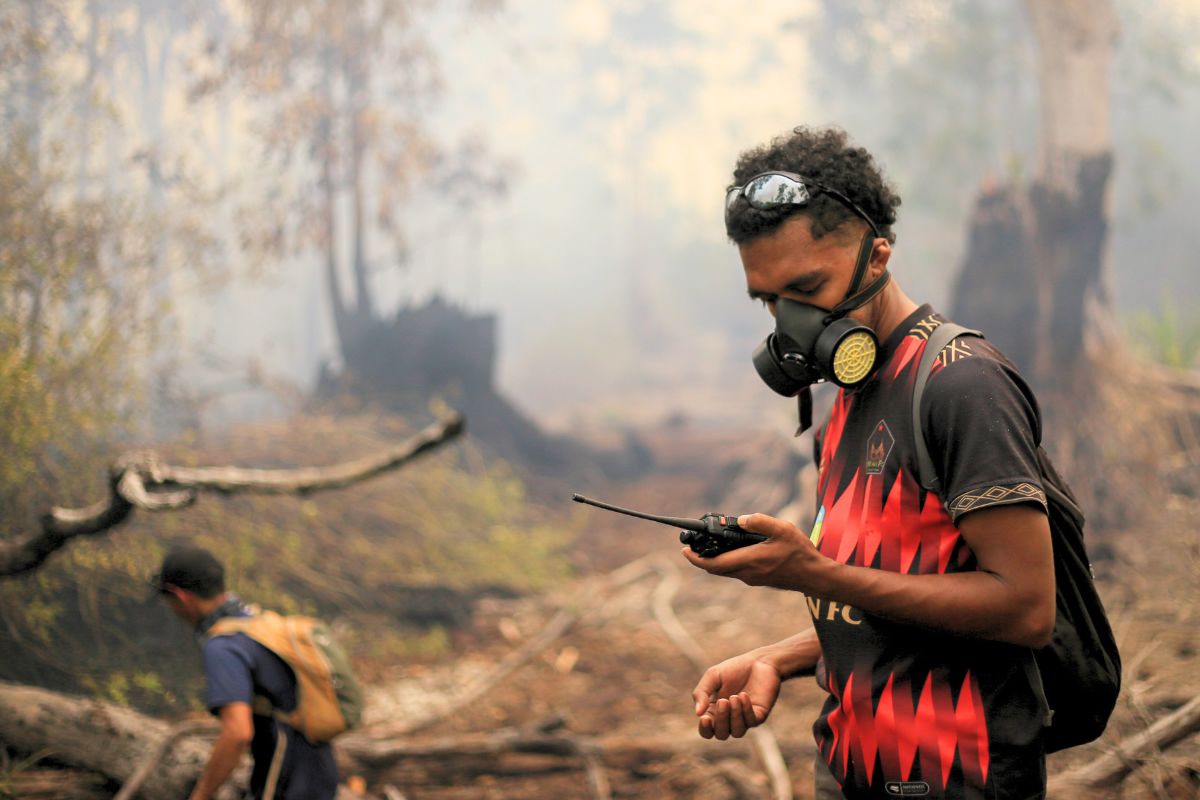
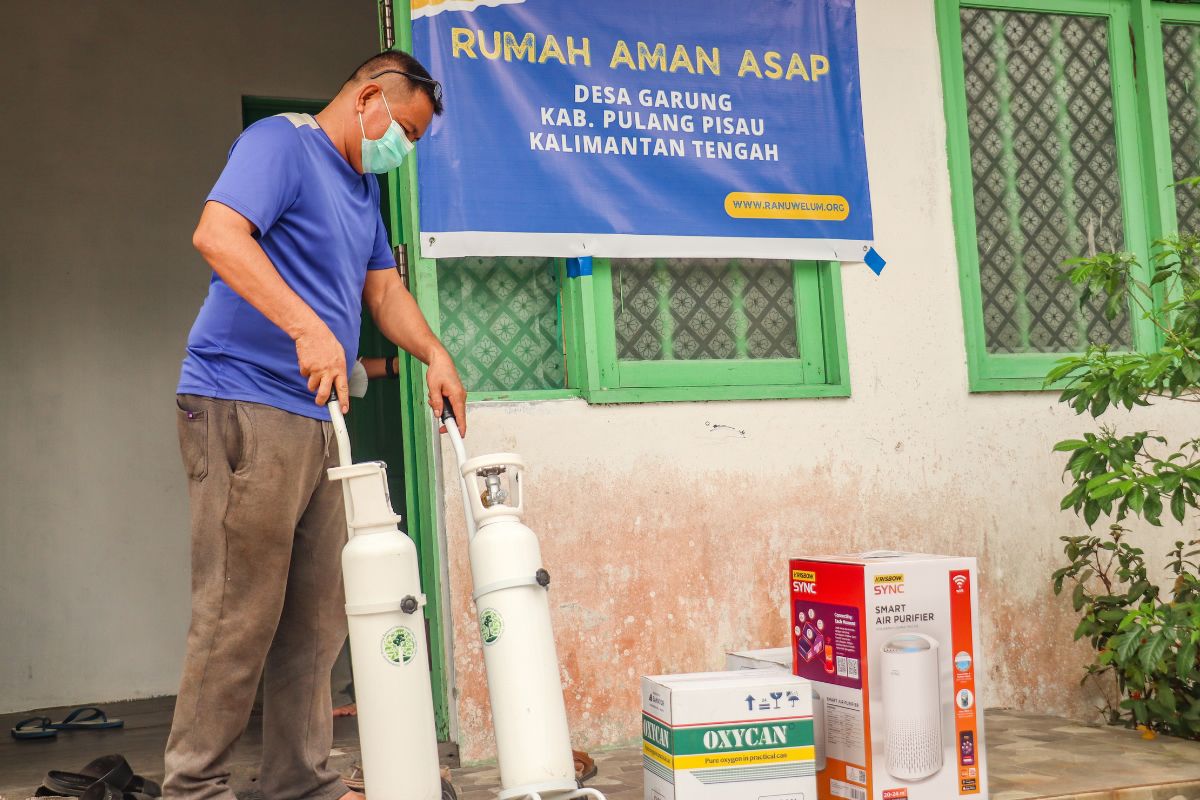
The response to our emergency appeal was beyond all expectations. We estimated that we would need $100,000 to keep our teams operational, equipped, safe and supported for three months, and thanks to your generosity we surpassed that target. Every dollar of these funds went directly towards frontline efforts. Additional donations enabled us to support teams in Rungan, provide resources to six more independent community firefighting teams, purchase thermal drones, establish oxygen rooms in villages for people suffering breathing difficulties, and acquire fire-retardant foam to accelerate fire suppression in peatlands.
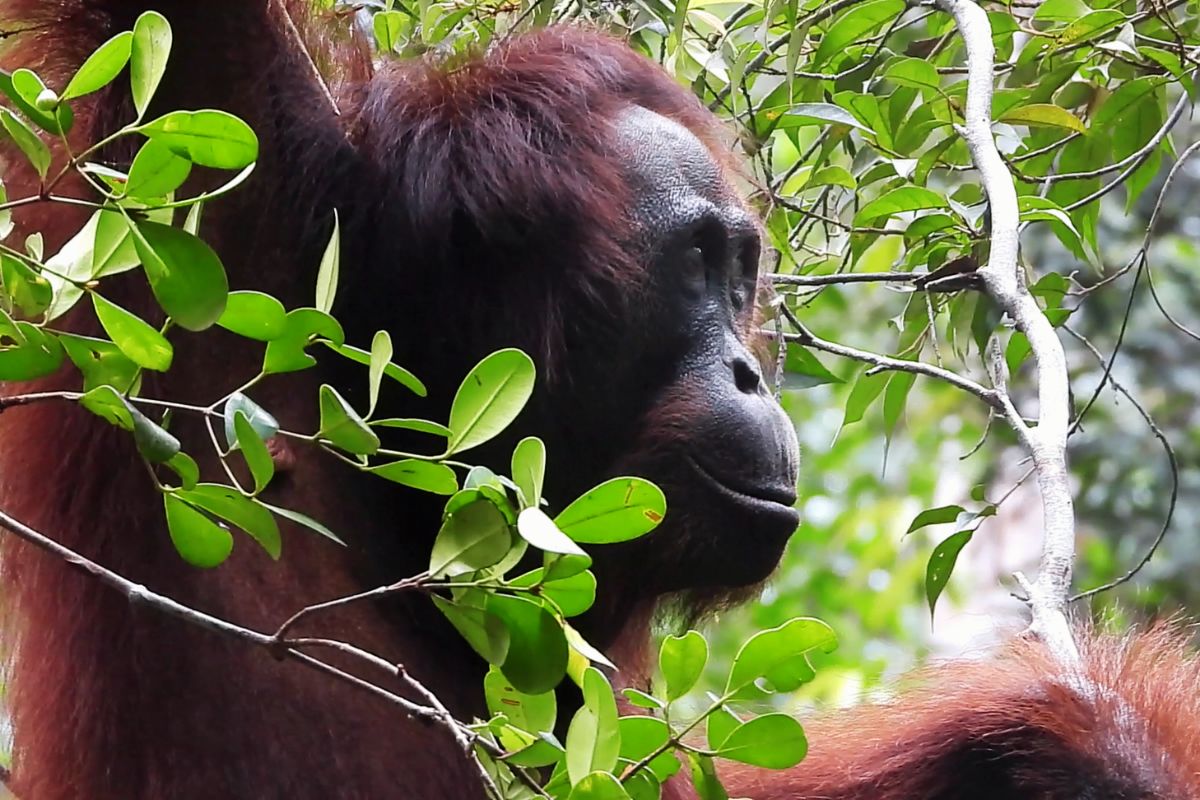
The full impact of this catastrophe is still emerging. The latest unofficial estimates suggest that fires have burned through approximately 2.9 million hectares in Indonesia – an area 18 times the size of London. Fires have affected the habitat of more than half of all wild Bornean orangutans, with 13 of the 20 largest orangutan populations directly threatened. Across Kalimantan, vast areas of forest have been lost, orangutans have been killed and many rescued from the ashes of their homes. The carbon emissions will be enormous, tens of thousands of people have suffered health impacts from the smoke, and rural livelihoods have been severely affected.
Here at camp, the forest is beginning to breathe again, although its wildlife has endured months of extraordinary hardship. The forest has been remarkably quiet, with little fruit available and animals clearly conserving energy after the double blow of breathing the haze and struggling to find food. We are particularly concerned about the orangutans we know and study. Indy was due to give birth in August or September, while Timi and Georgia were known to be pregnant earlier in the year. We are eagerly awaiting news of them as they are found again, hoping that their babies have made it through this difficult period.
Without the extraordinary efforts of communities, NGOs, government agencies and researchers across Borneo, the losses could have been so much greater. The fires and their impacts have attracted worldwide attention, and we hope that this will translate into lasting commitments to ecosystem recovery, fire prevention and improved firefighting capacity. In the coming years, these efforts will be central to our work. For now, after months of relentless firefighting, we are grateful for the rain, for the clearing skies and for the chance to begin recovering.
Thanks once more for your continued support. It is making a real difference on the ground.
Simon


